Prompt set v1.0 · CC BY 4.0
Blender AI Benchmark Prompt Set
The standardized prompts every tool in the Blender AI Arena runs each season. Identical rules for every tool. Free to use for your own testing under CC BY 4.0 — attribution: “Blender AI Arena Benchmark Prompt Set” with a link to this page.
Benchmark rules
- 1.Use the prompt text verbatim — no tool-specific rewording or prompt engineering.
- 2.Default settings for every tool; no expert parameter tuning.
- 3.One generation per prompt. One retry allowed only on technical failure (crash, timeout, empty output).
- 4.No manual cleanup afterward: no retopology, material fixes, or deletions.
- 5.Export to GLB and render with the standard arena lighting rig for comparison.
- 6.Publish every result, including failures.
The prompts
One poster per Season 3 competitor, straight from the benchmark. Click a row's posters for every result in 3D.
- P01Props
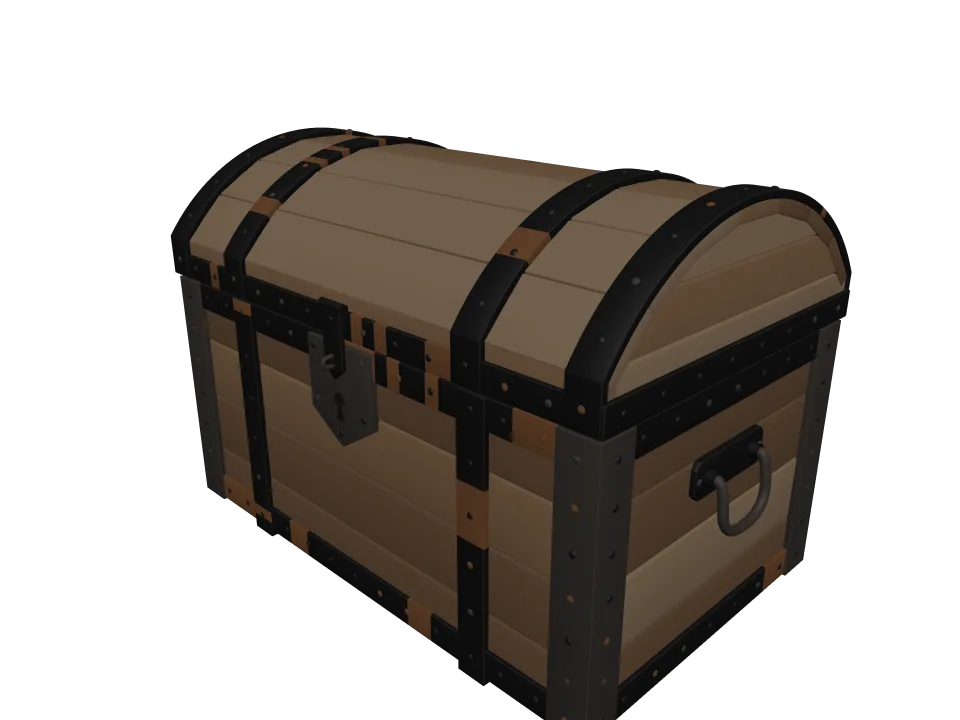
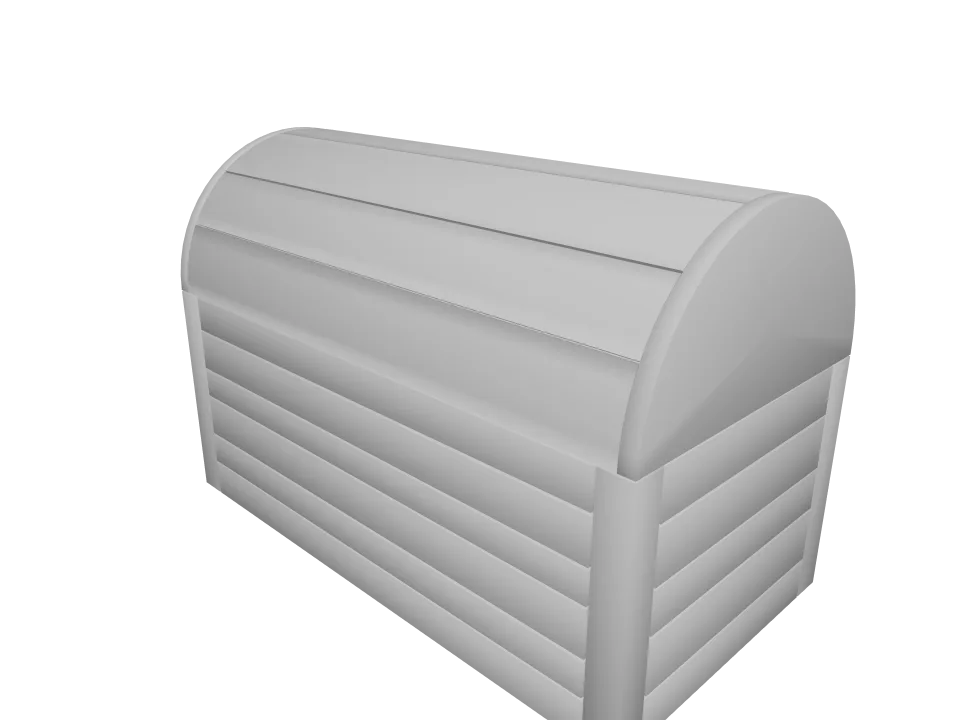
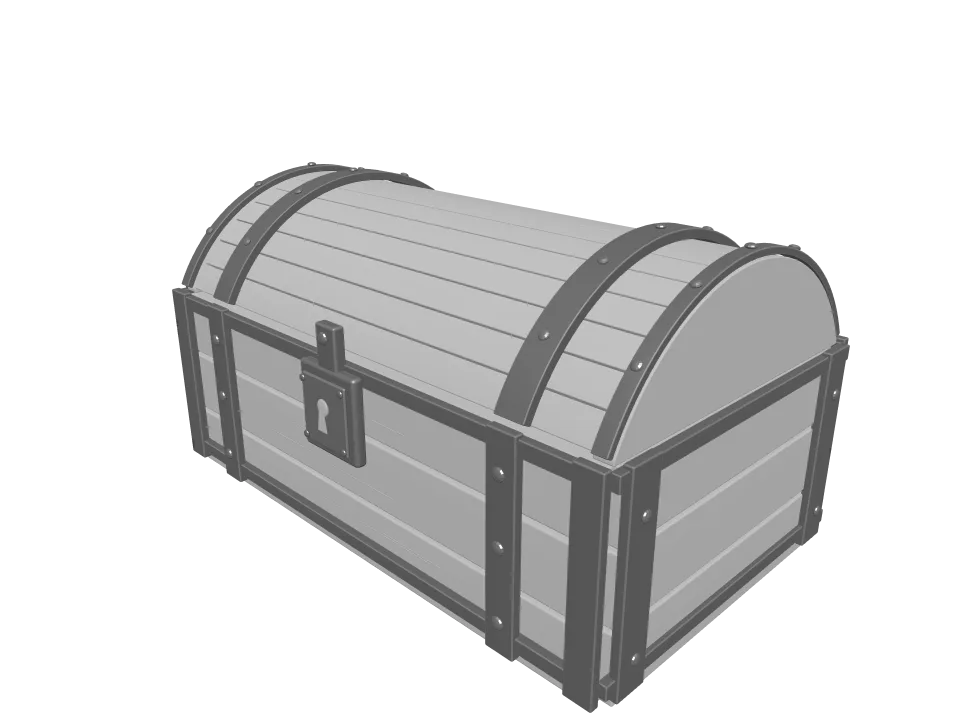
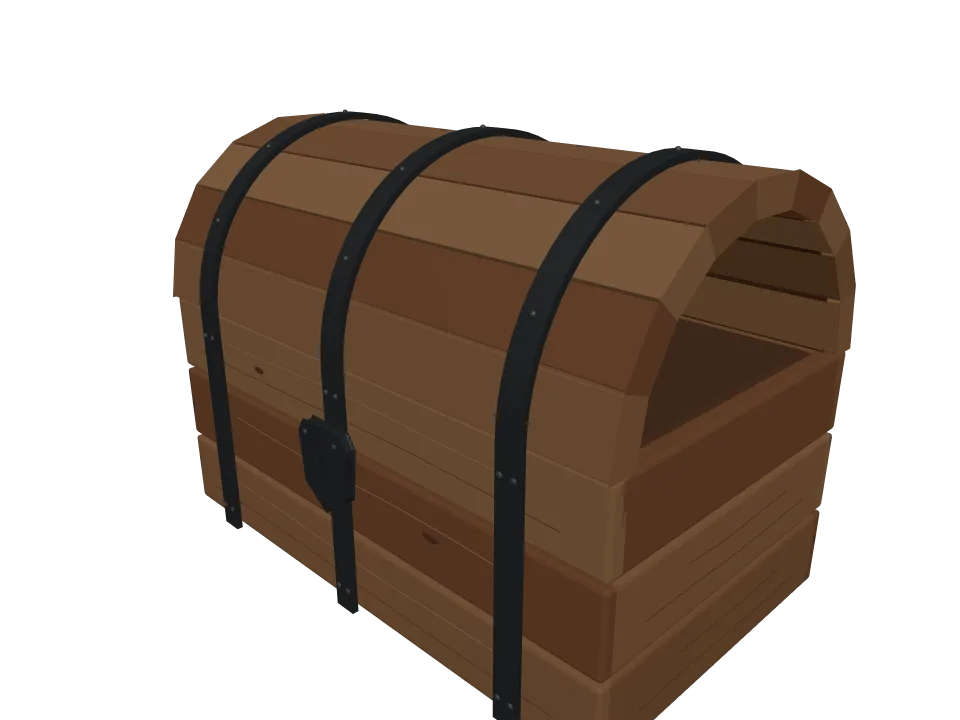
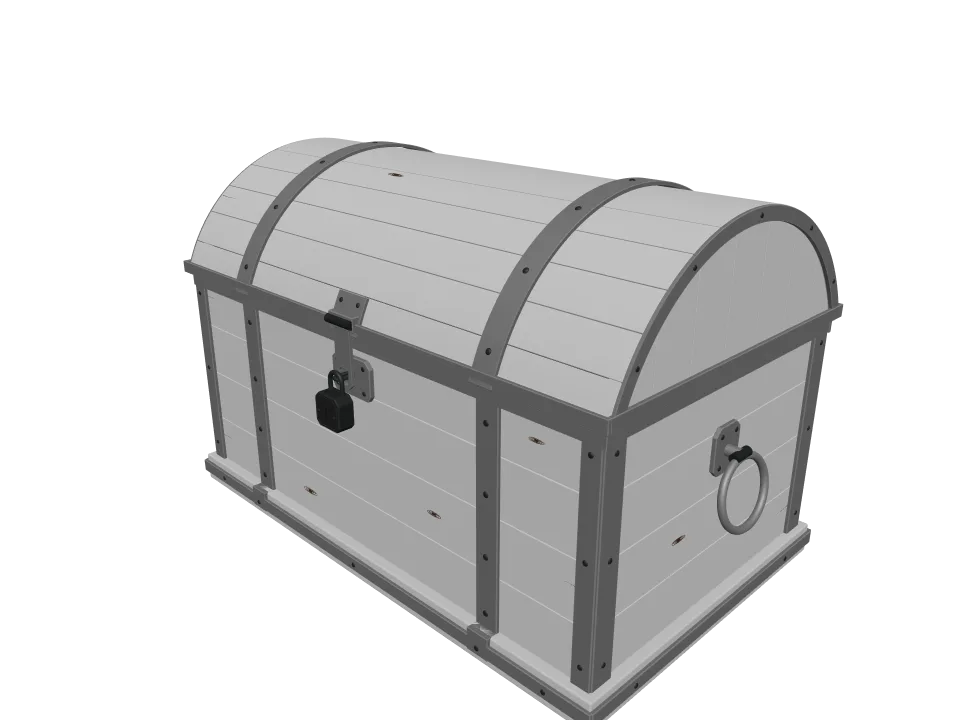
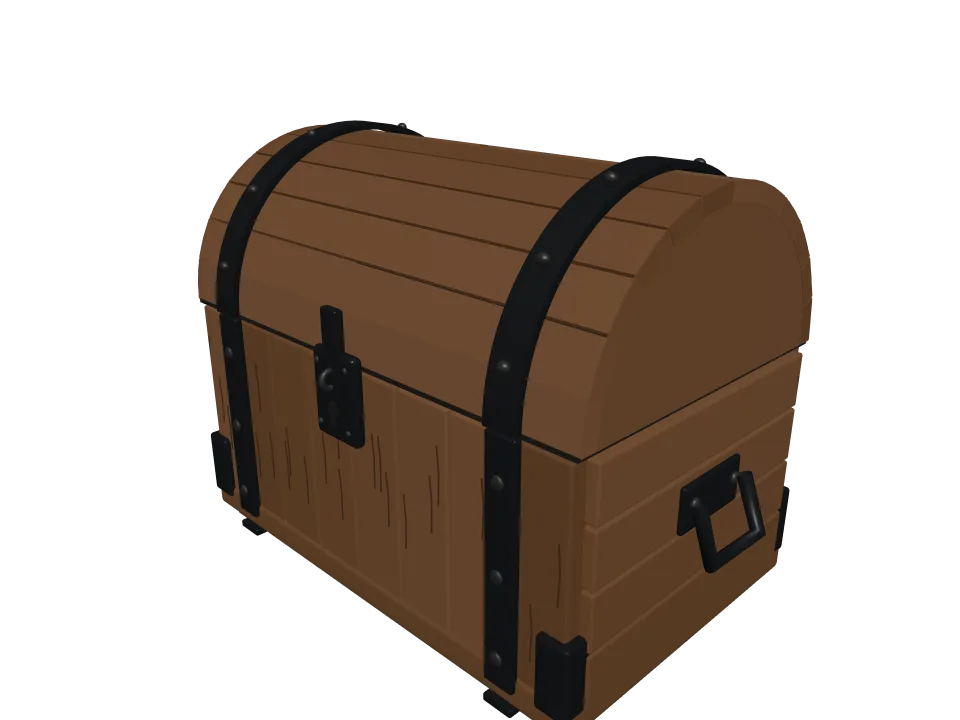
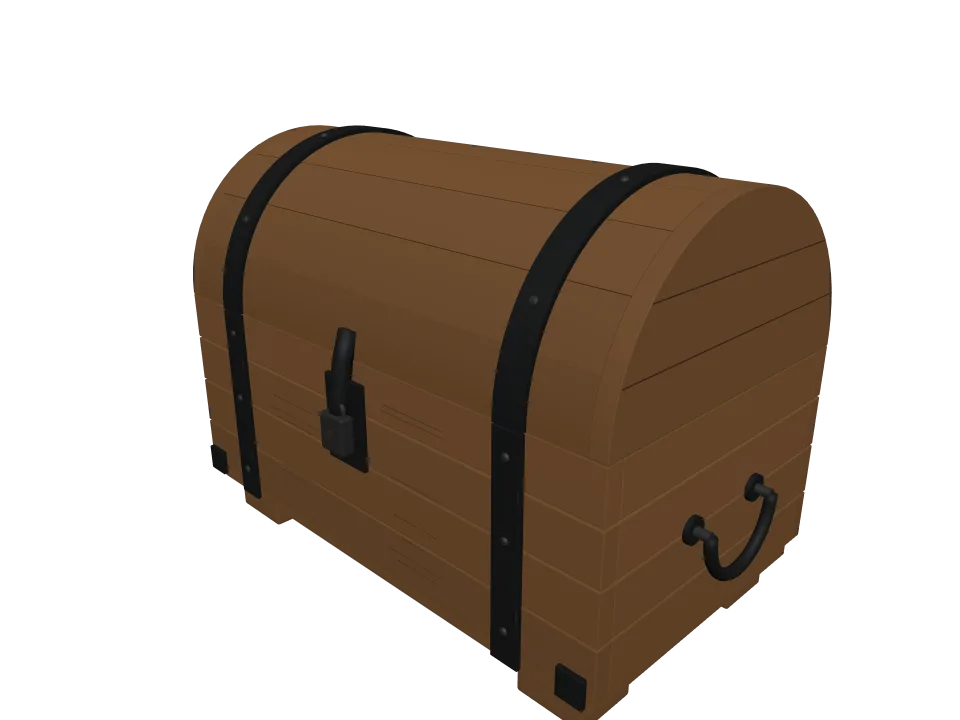
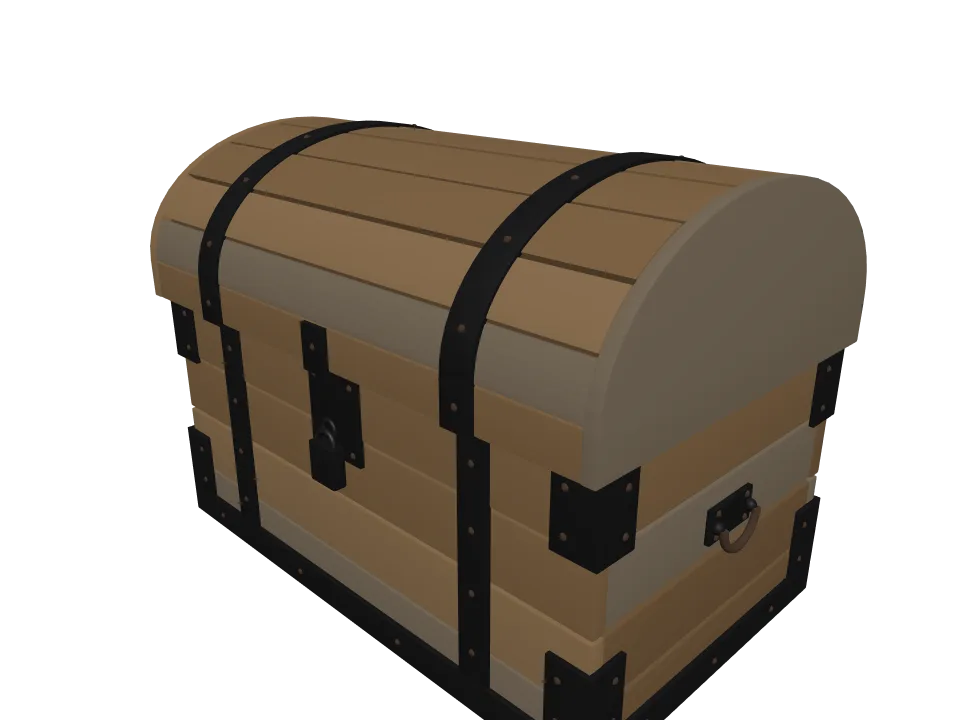
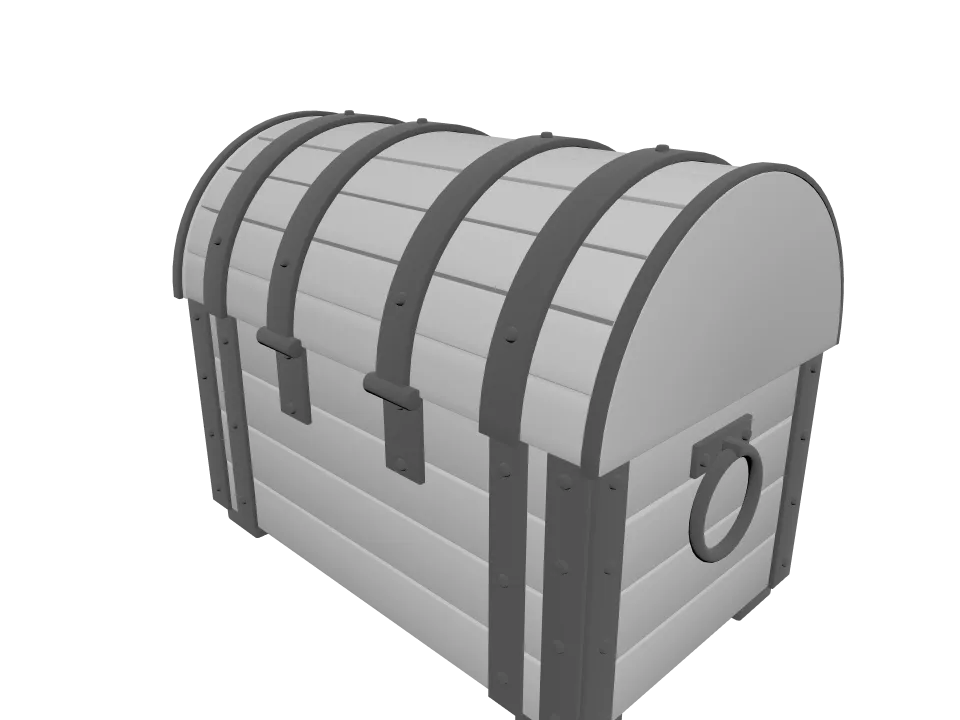
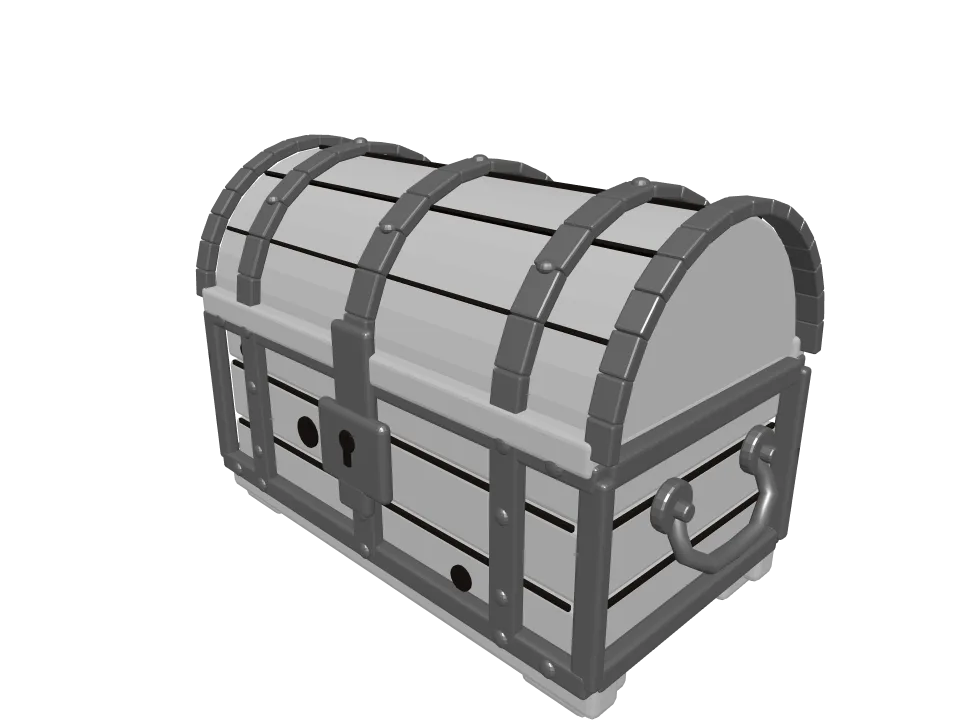
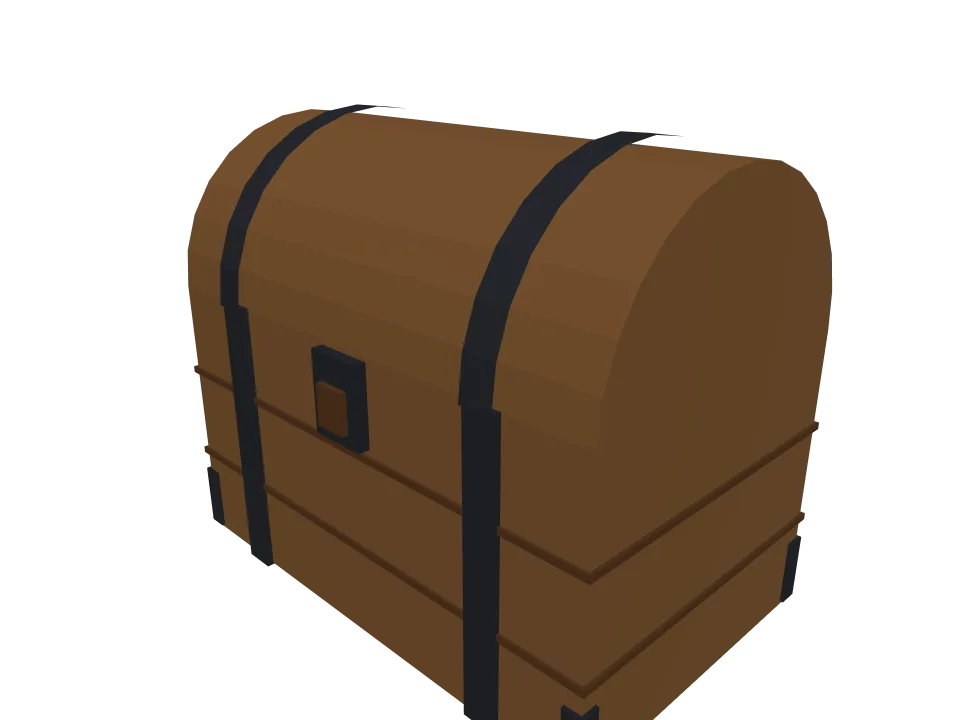
Treasure chest
“A wooden treasure chest with iron fittings and a curved lid, slightly weathered, closed.”
Tests Basic hard-surface prop with mixed materials and readable silhouette.
- P02Props
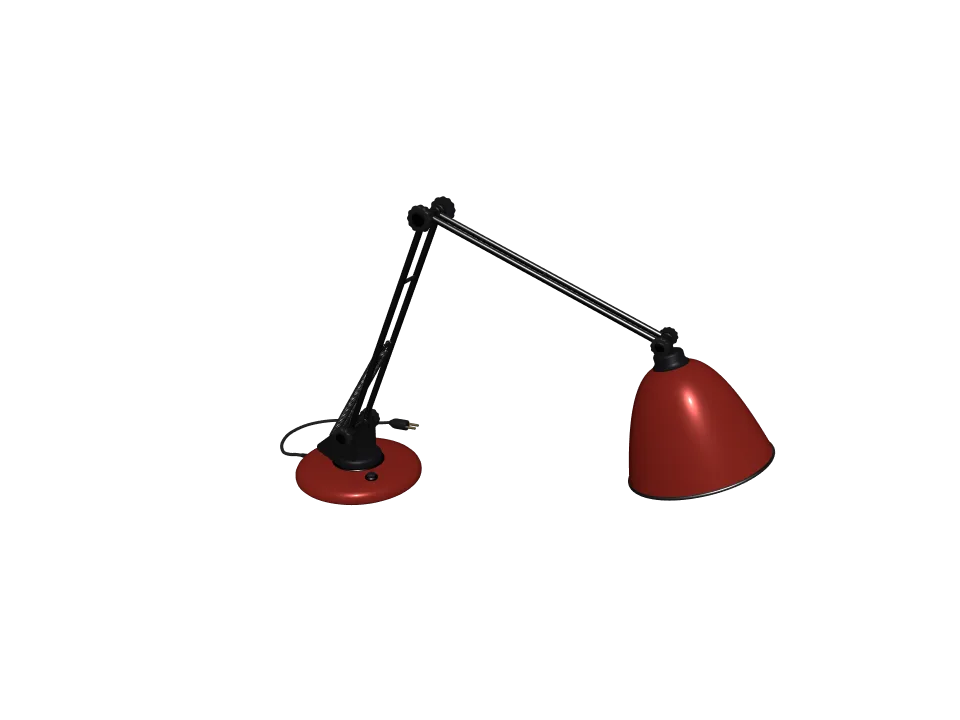
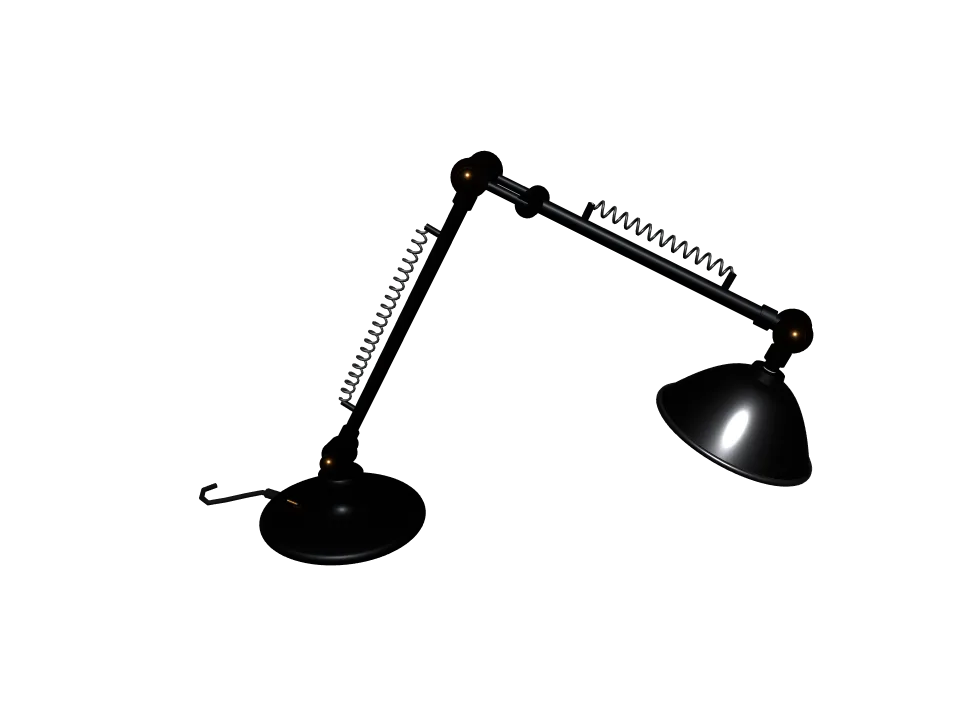
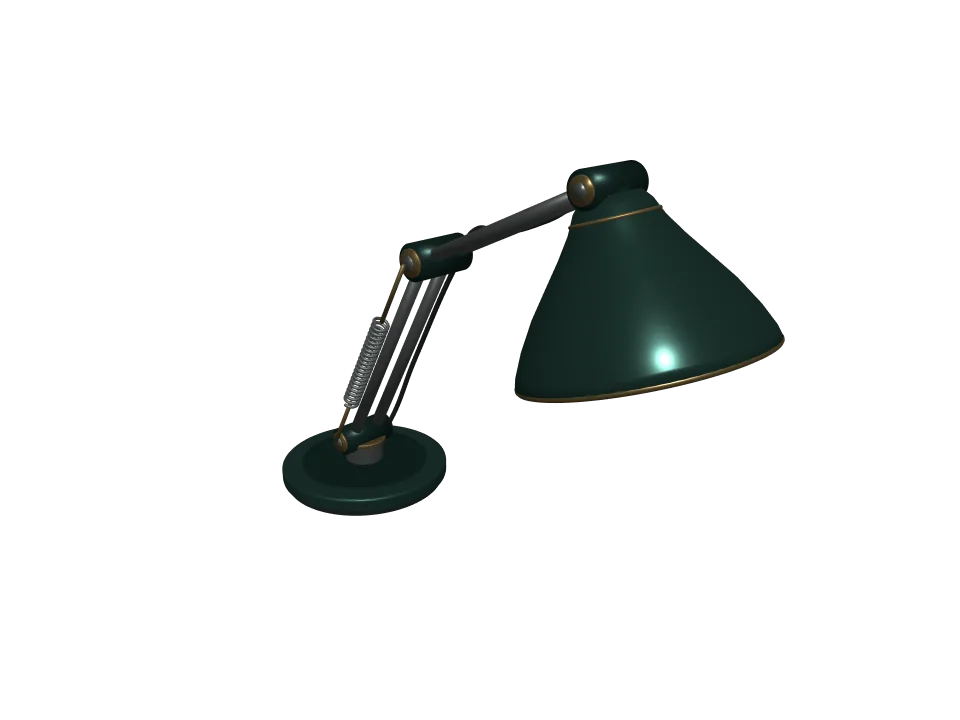
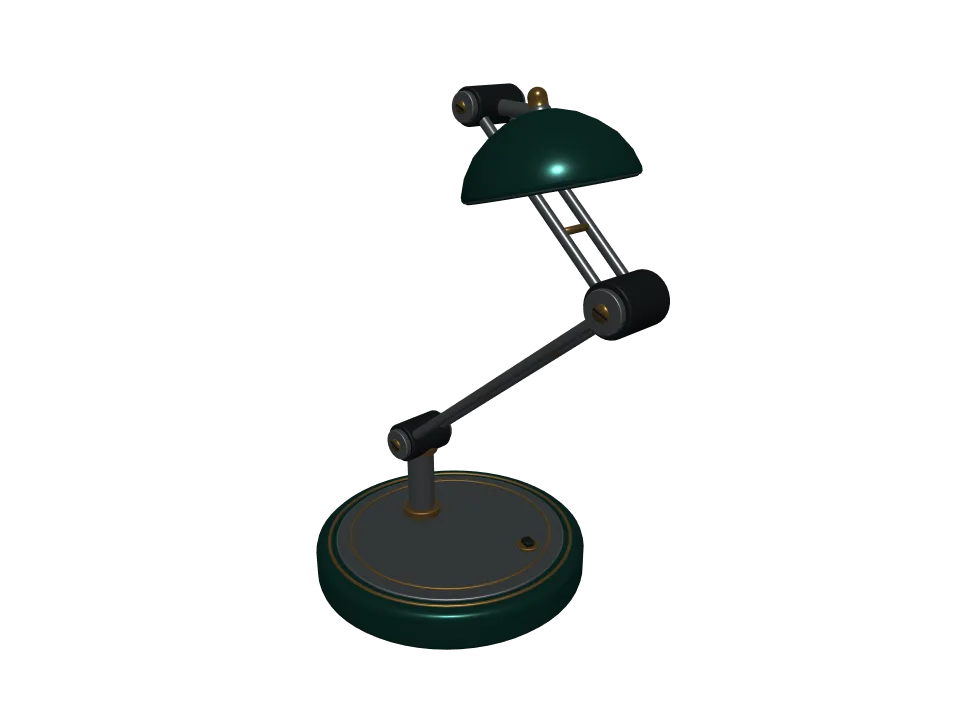
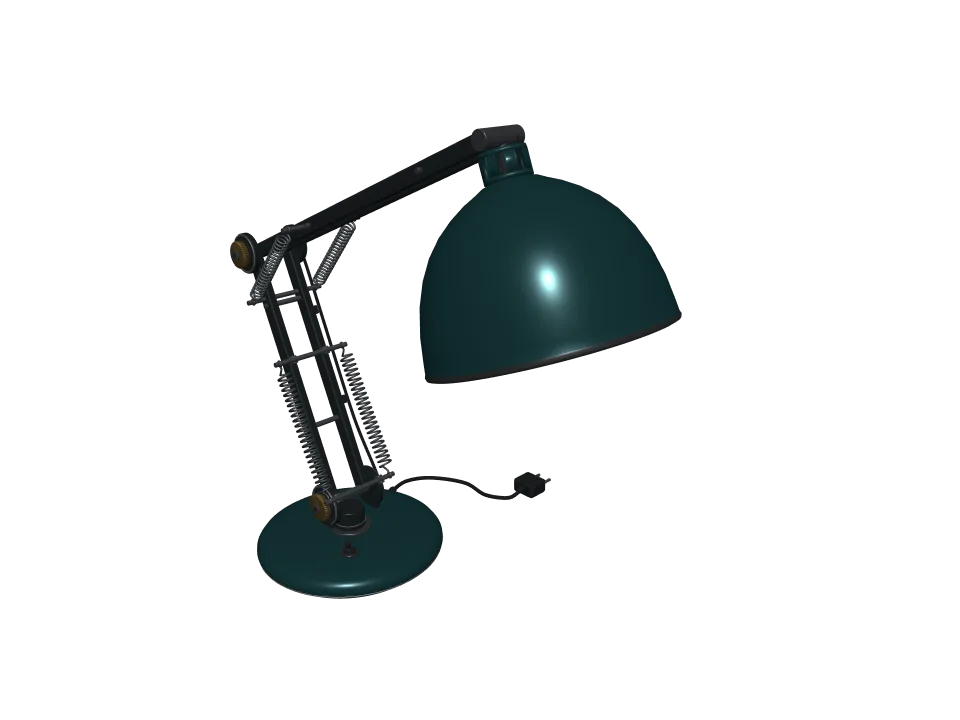
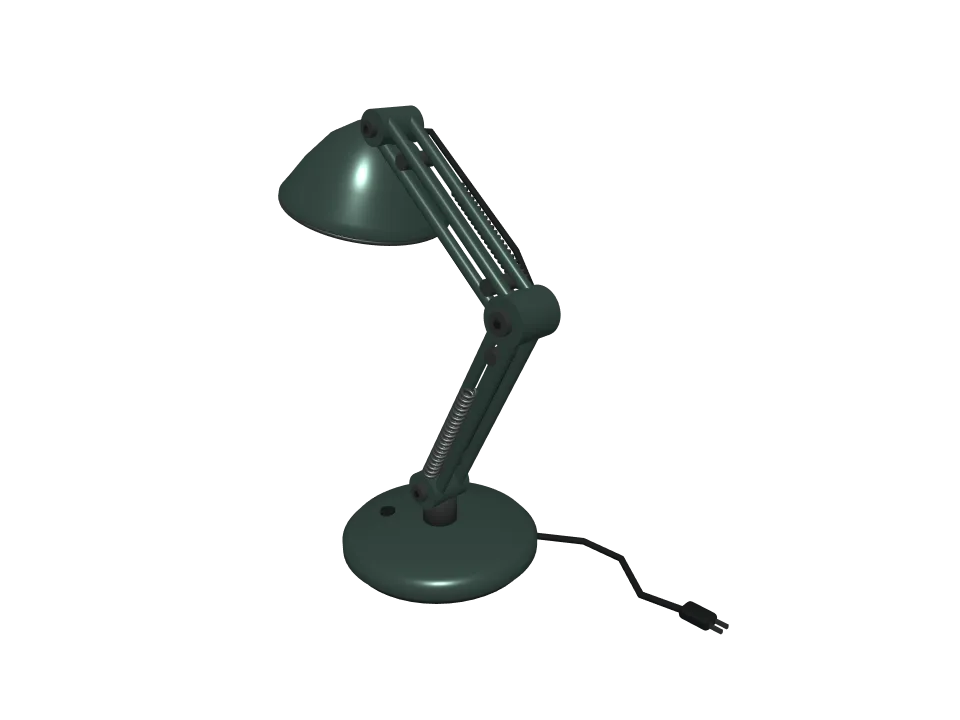
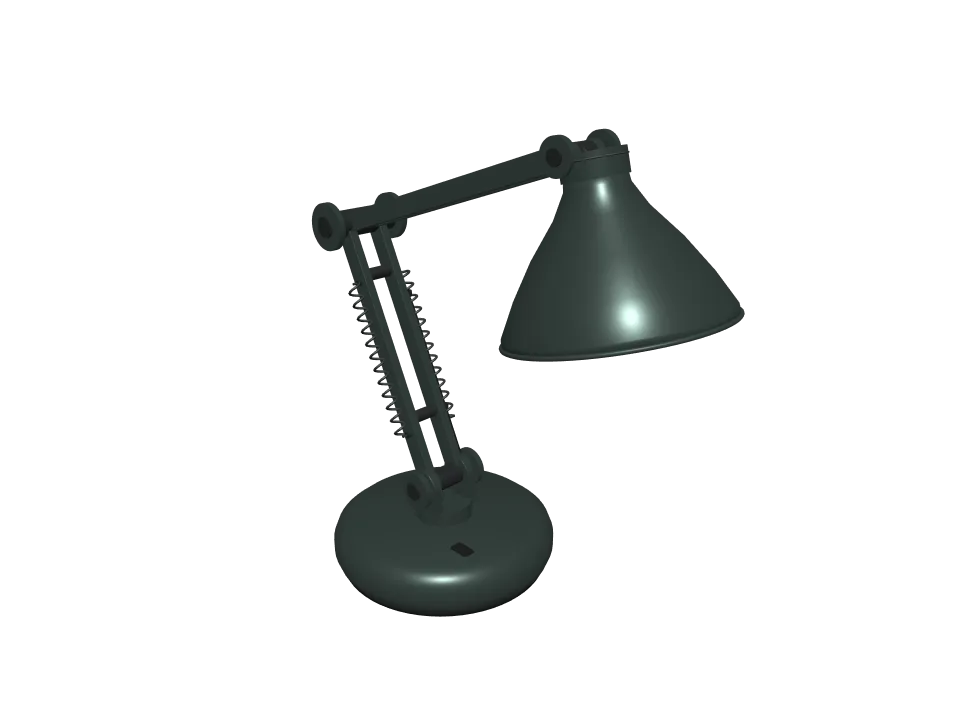
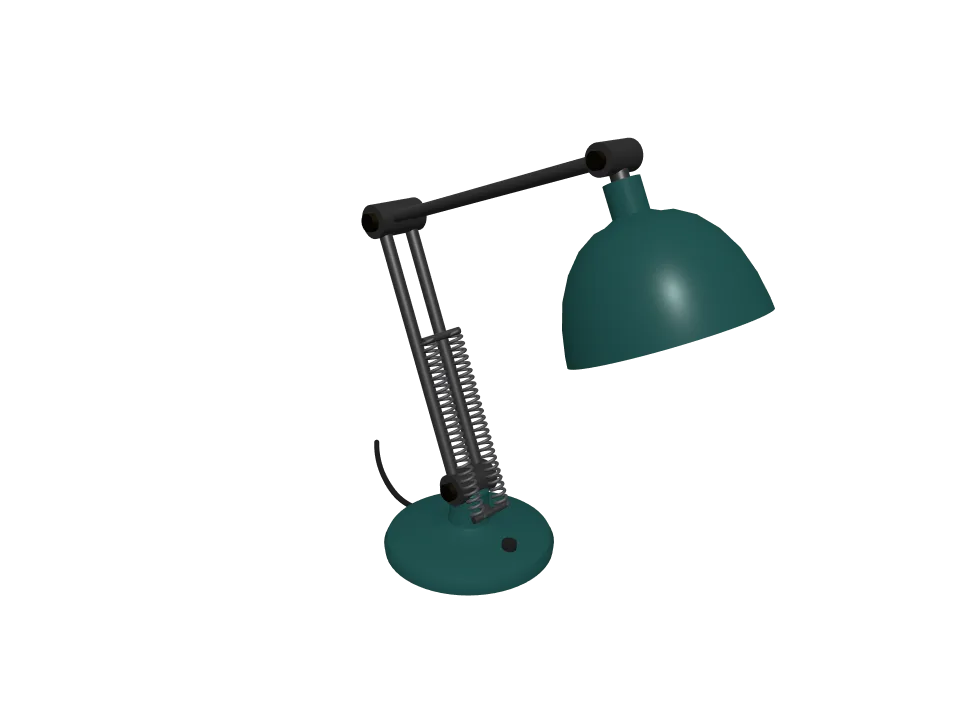
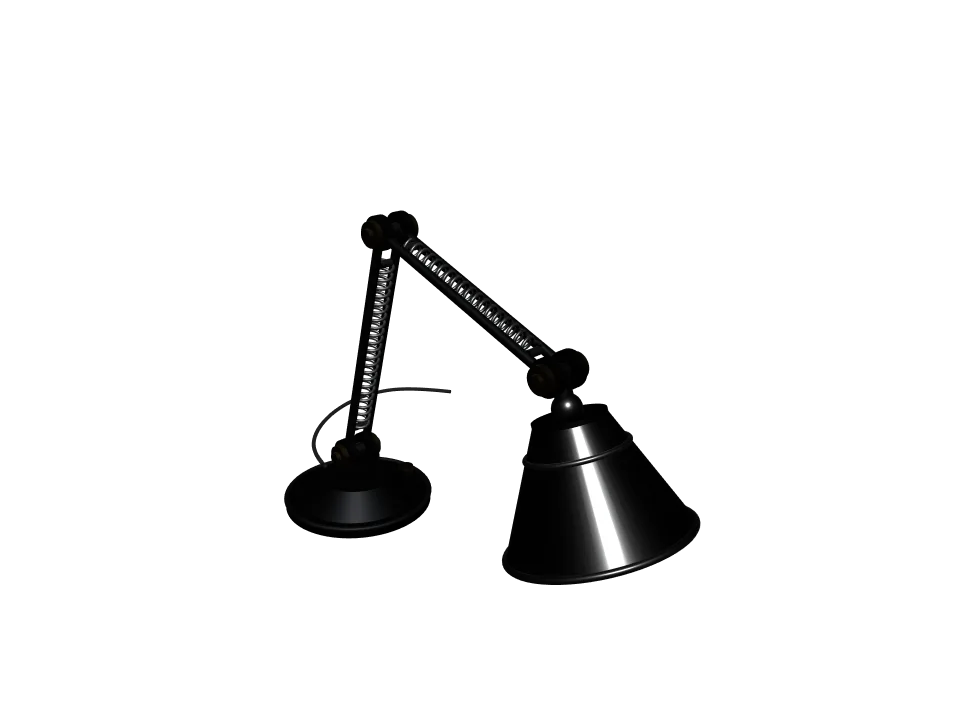
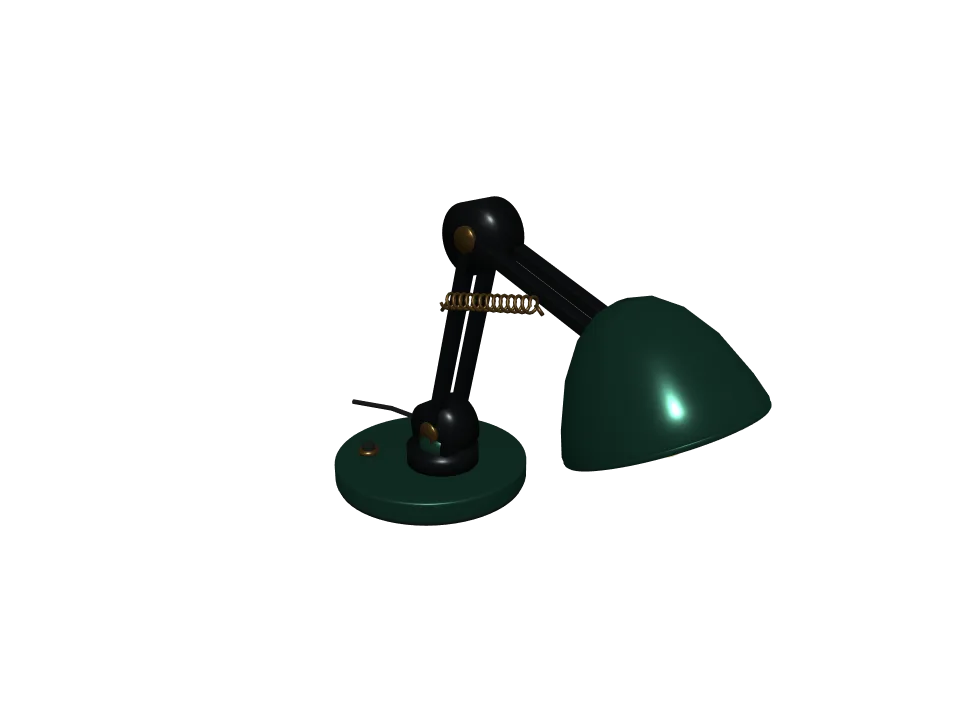
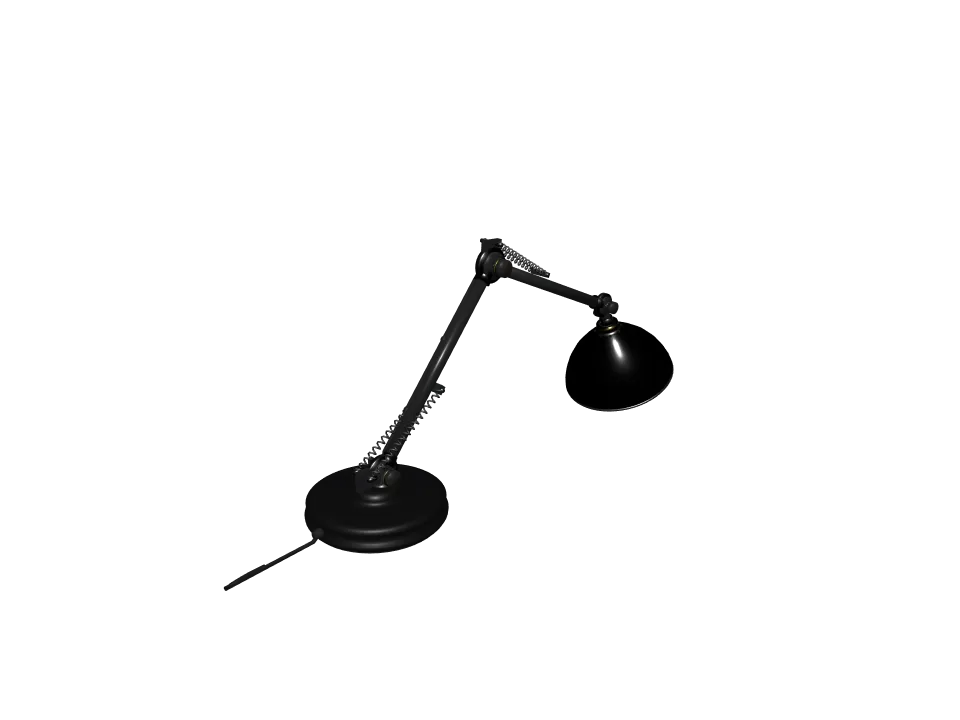
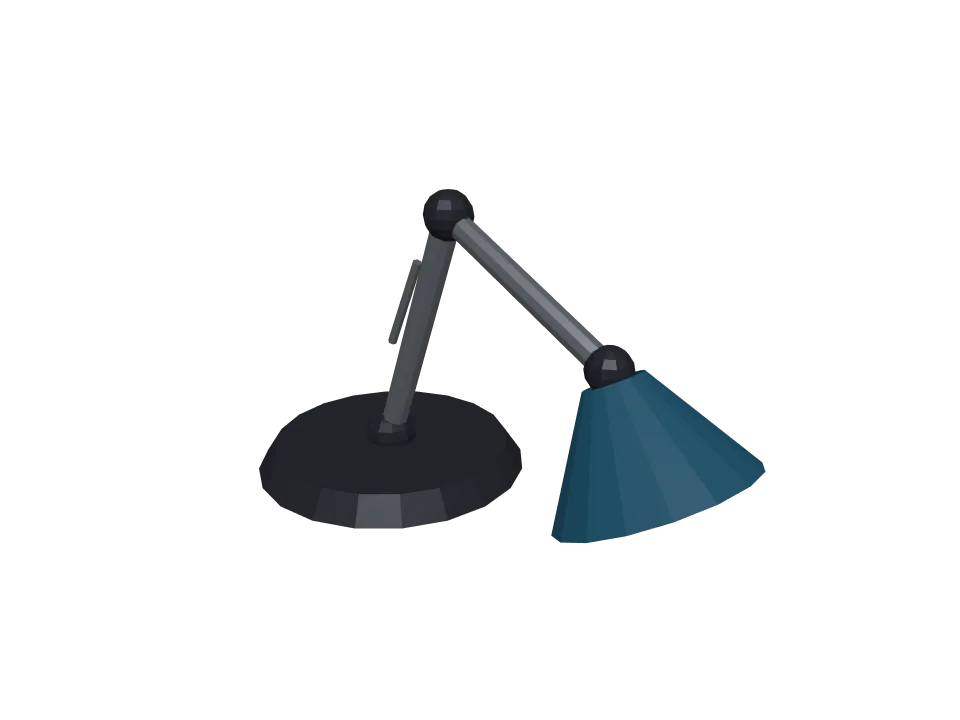
Desk lamp
“A desk lamp with an articulated two-joint arm and a round metal shade, in a bent working pose.”
Tests Mechanical structure, joint articulation, and plausible proportions.
- P03Characters
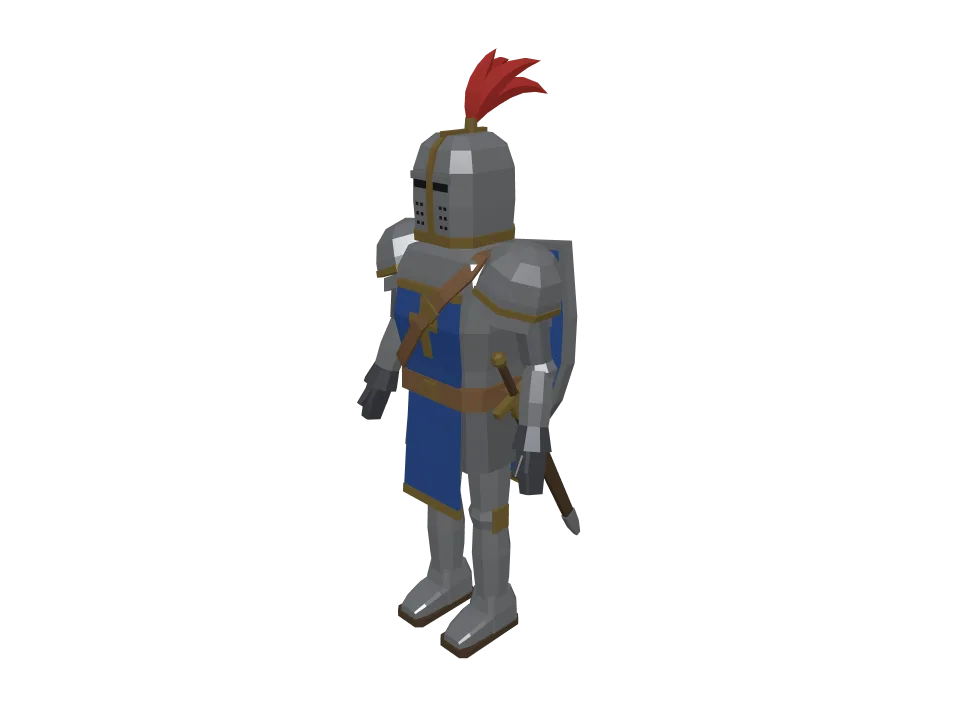
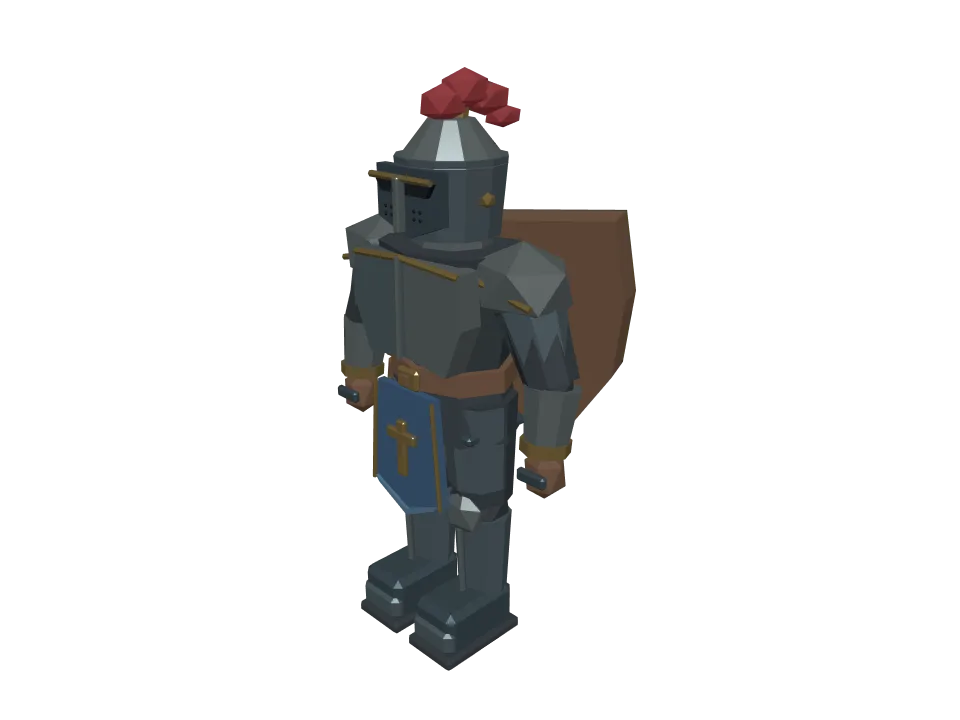
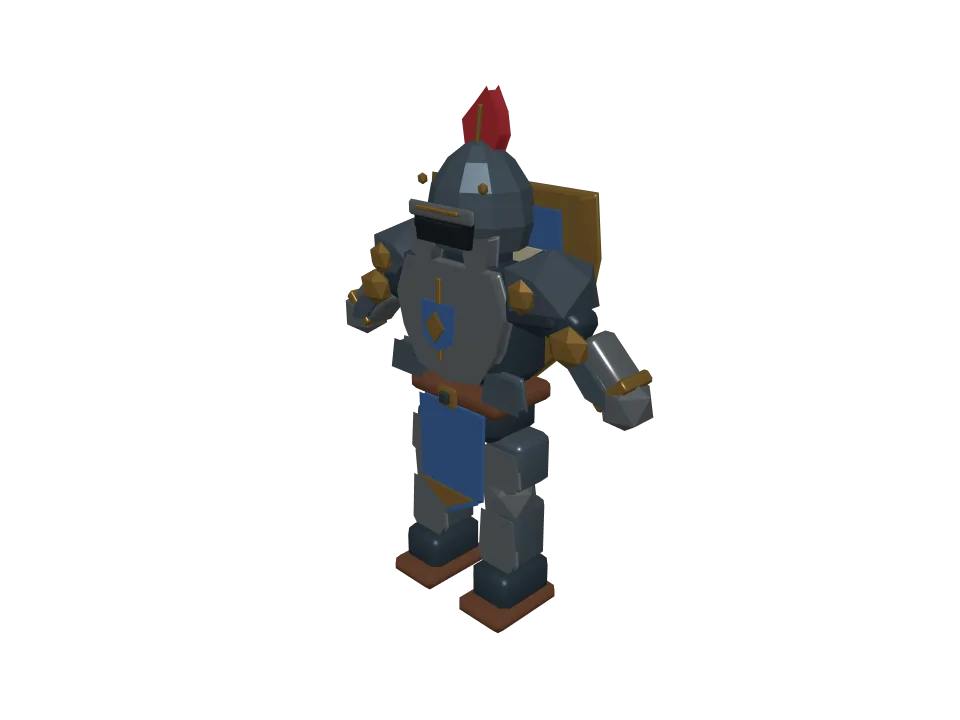
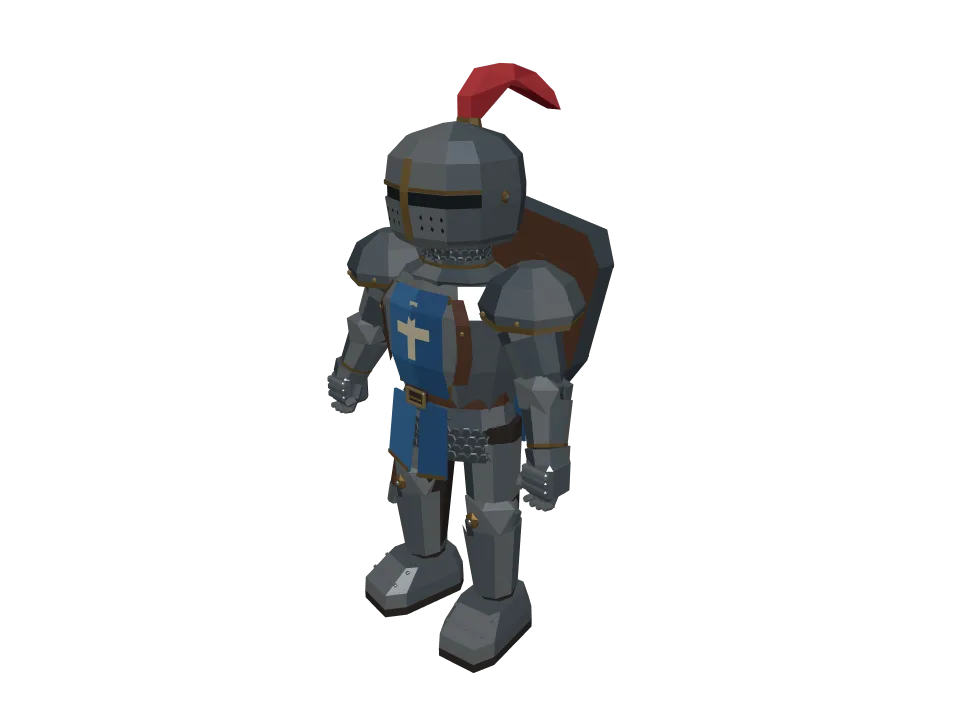
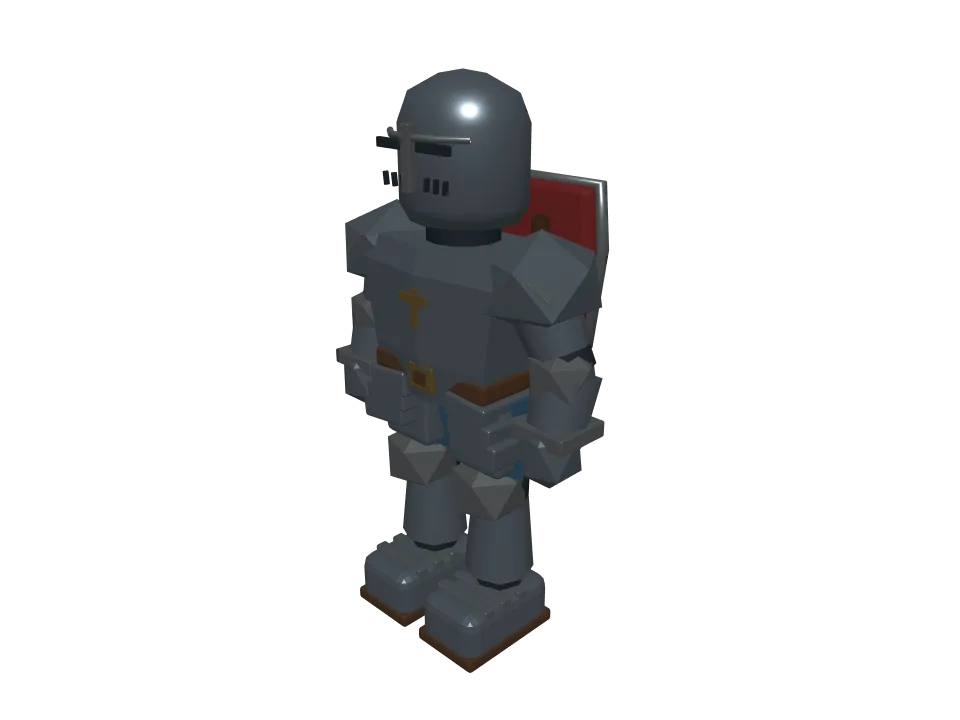
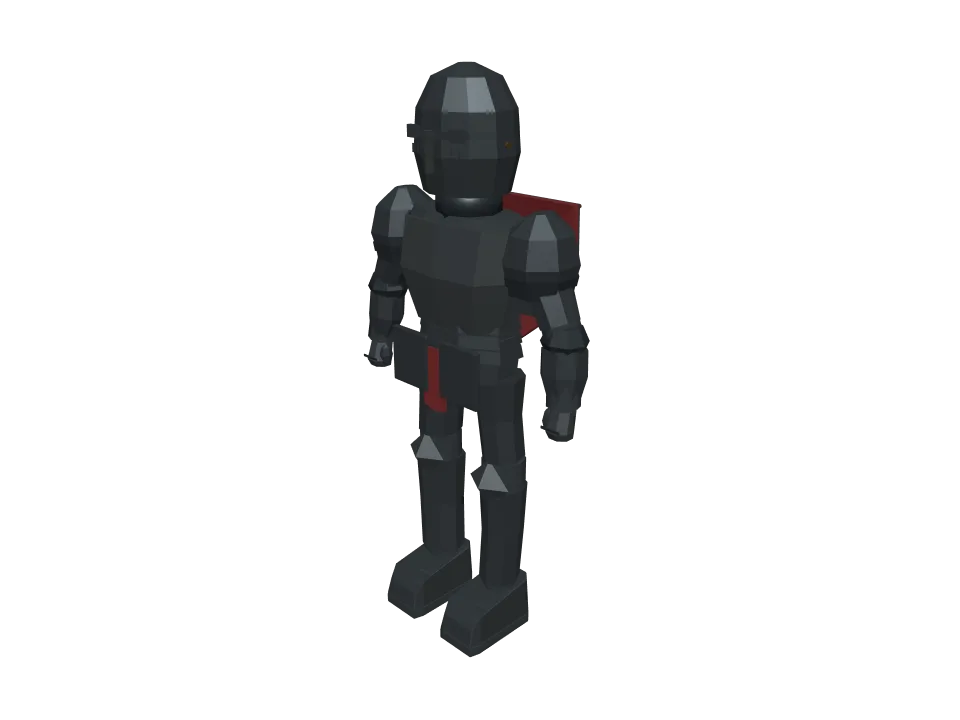
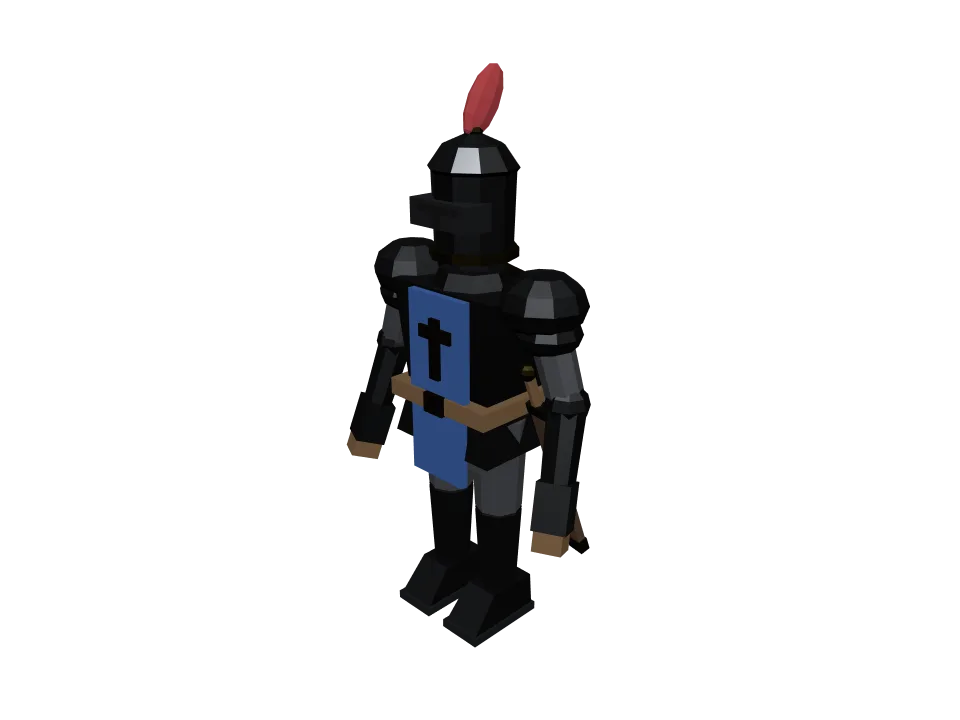
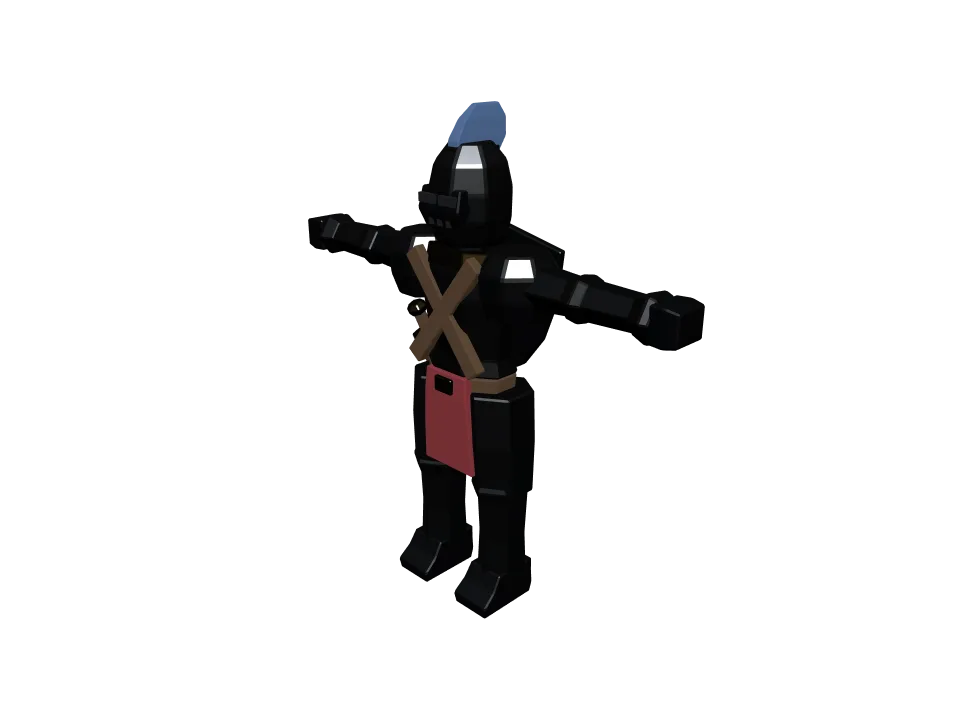
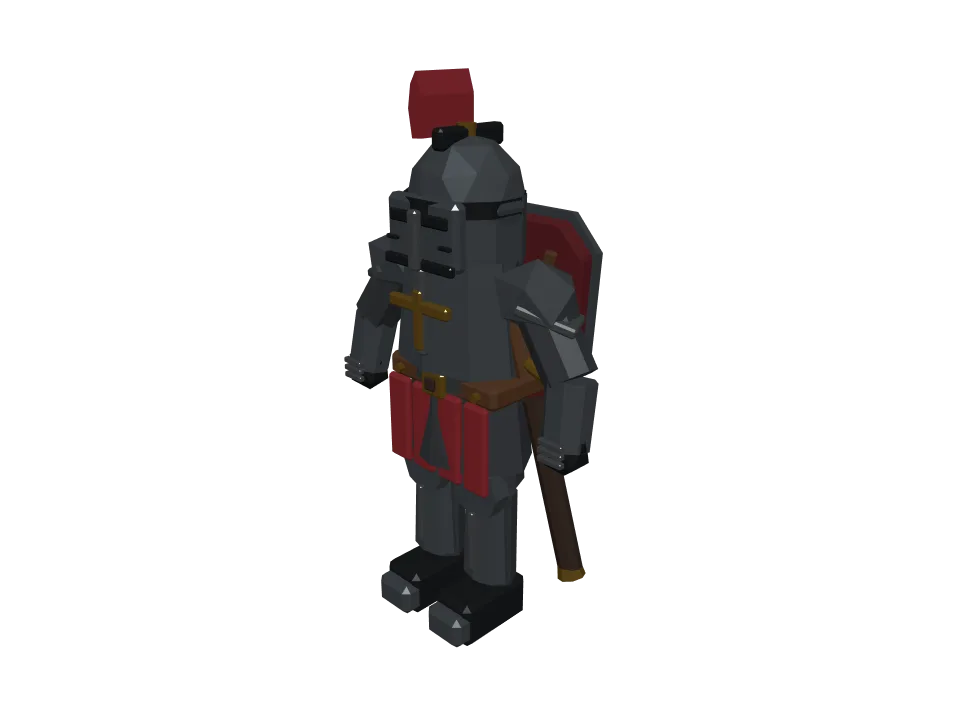
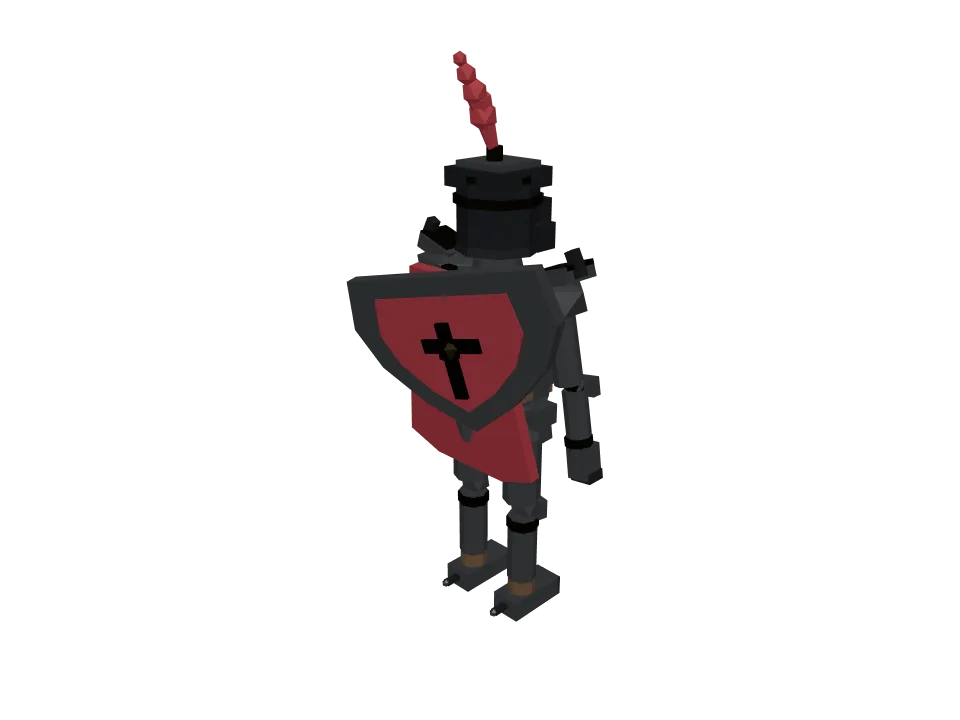
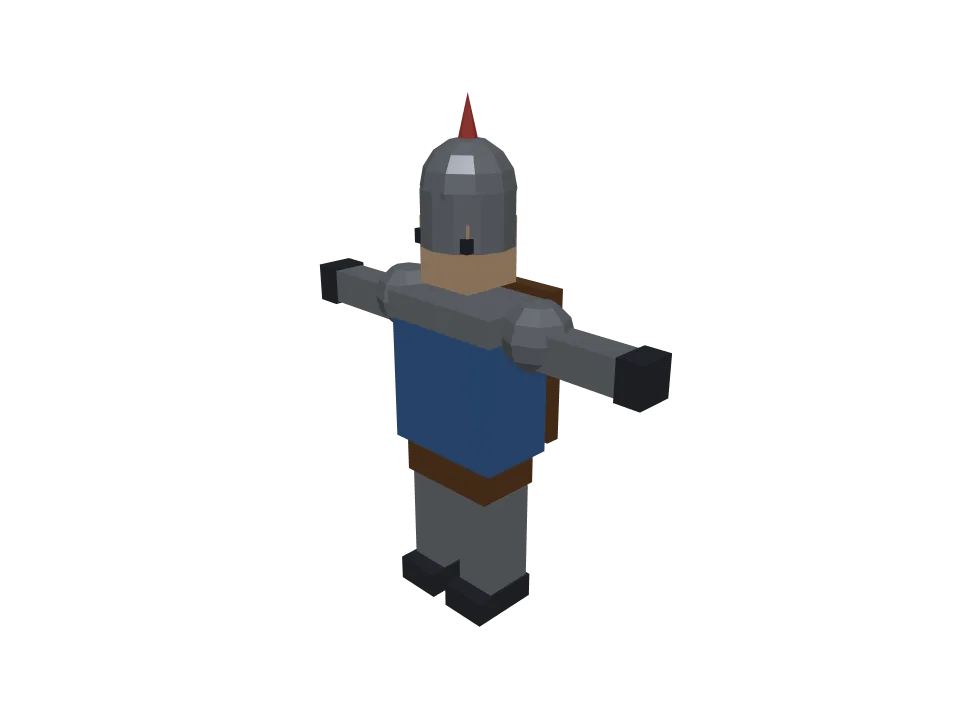
Low-poly knight
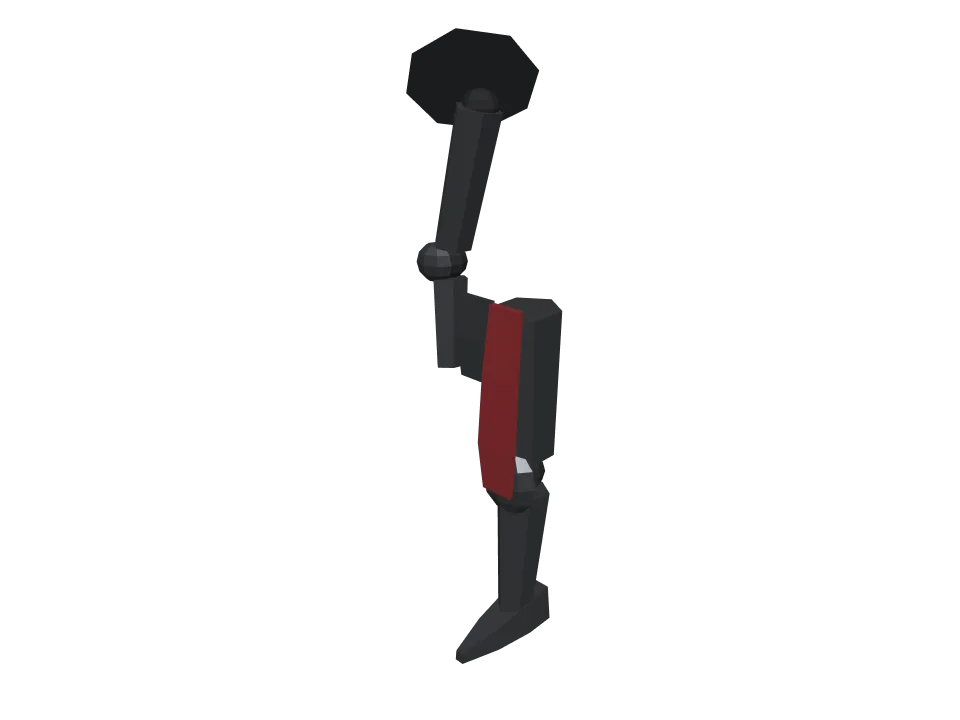
“A low-poly stylized knight character in idle pose, with helmet, shield on back, T-pose acceptable.”
Tests Character topology, symmetry, and stylization control.
- P04Characters
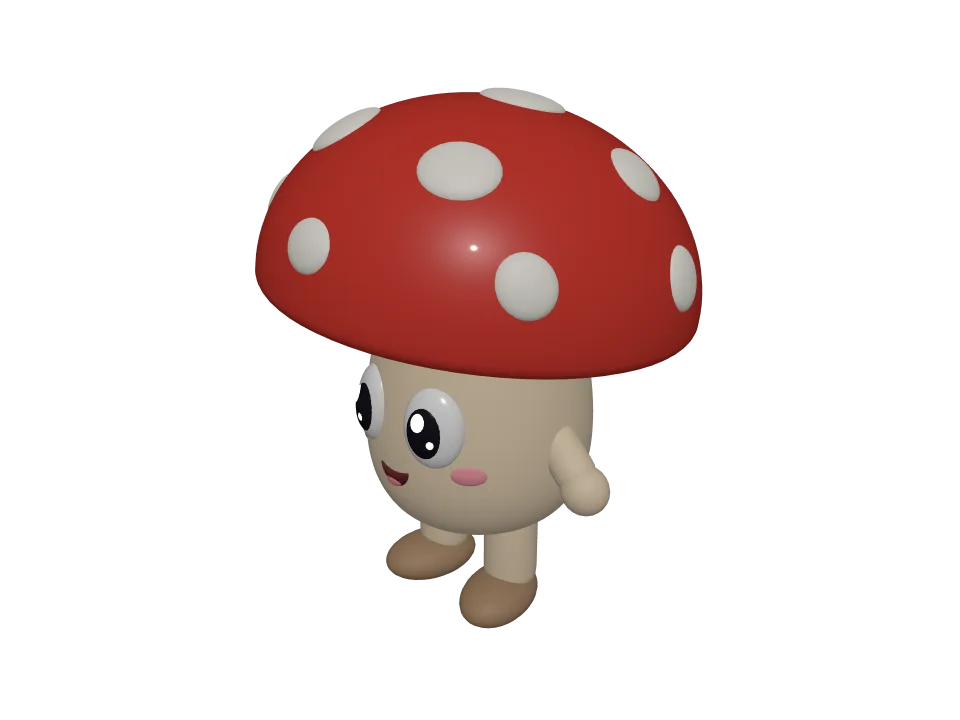
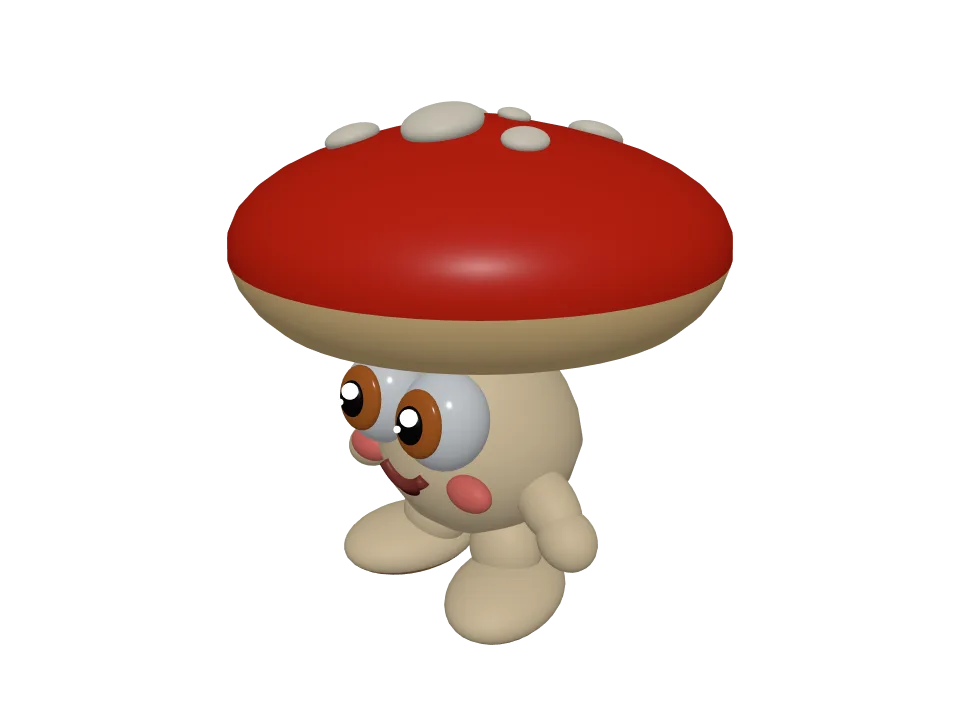
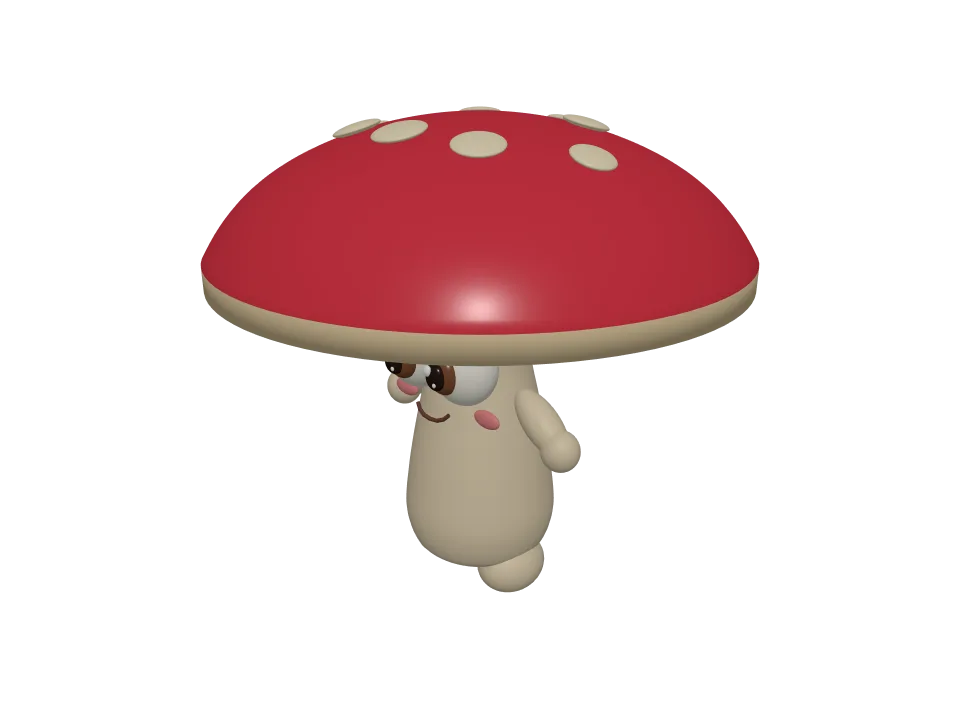
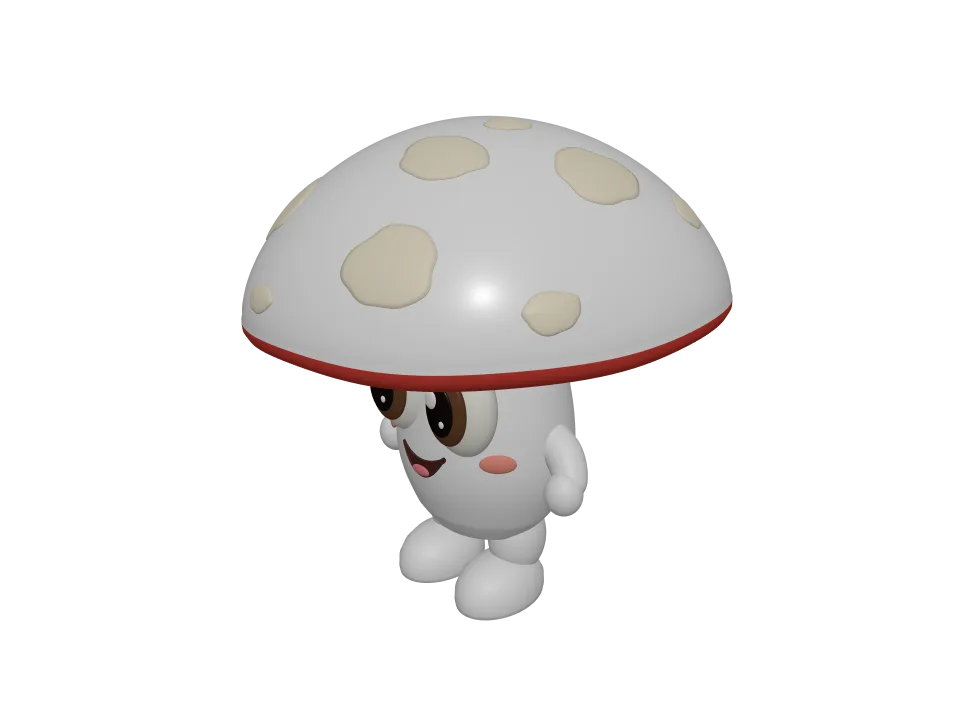
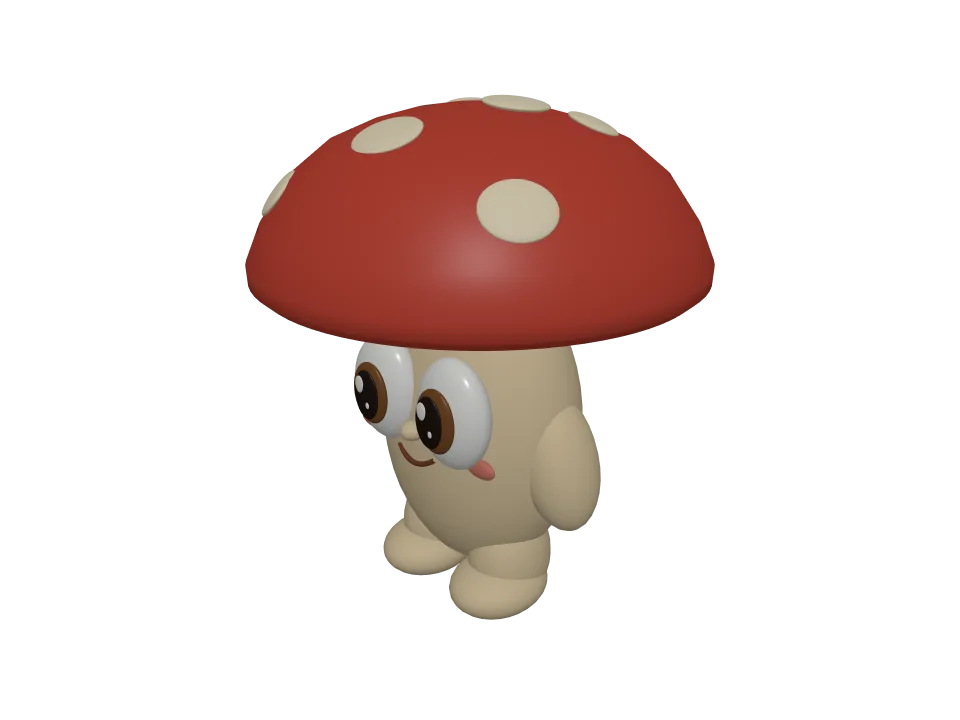
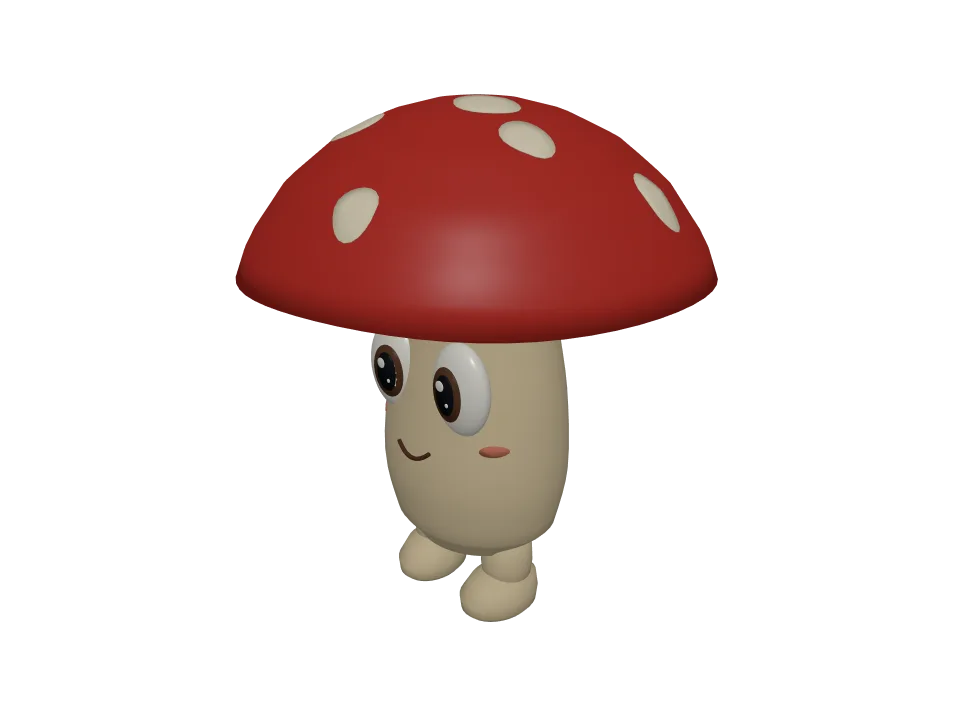
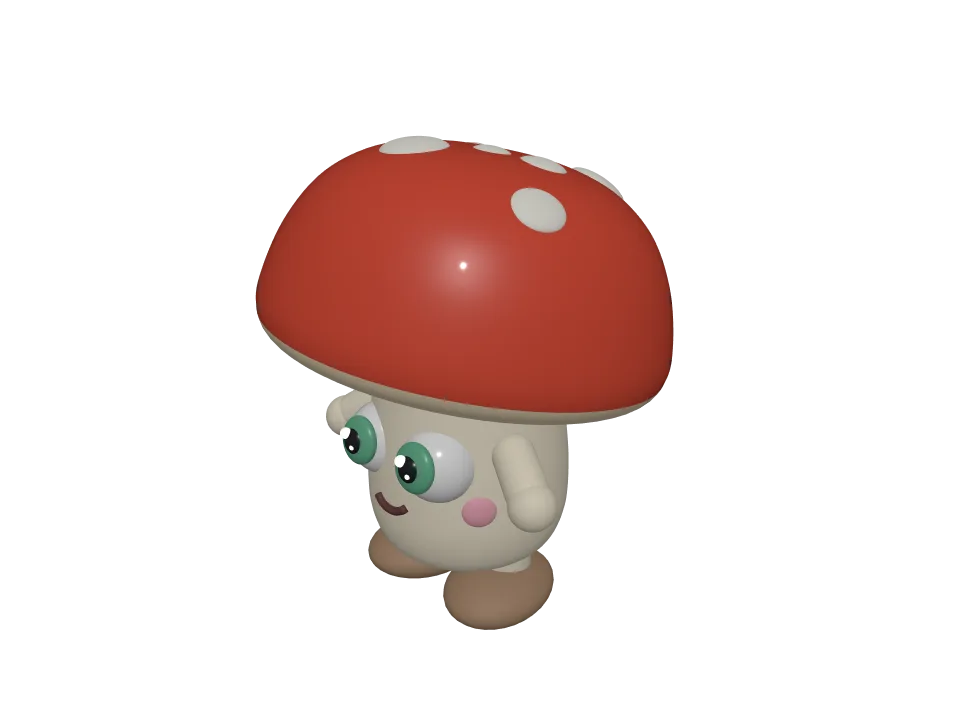
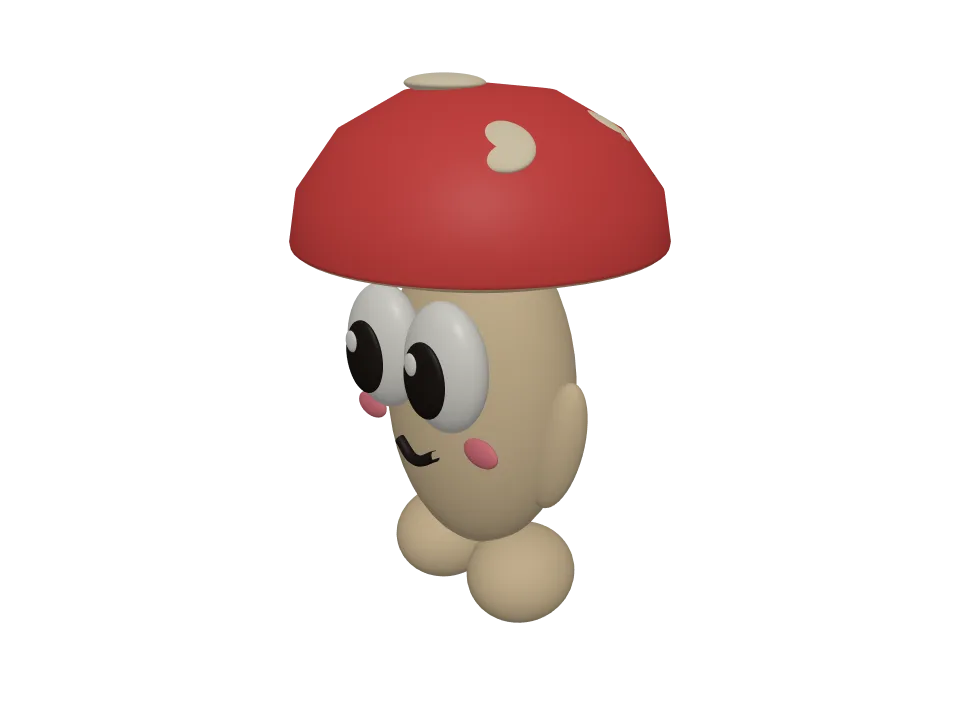
Mushroom creature
“A cute cartoon mushroom creature with big eyes and stubby legs, standing.”
Tests Organic shapes, appeal, and character readability at small scale.
- P05Architecture
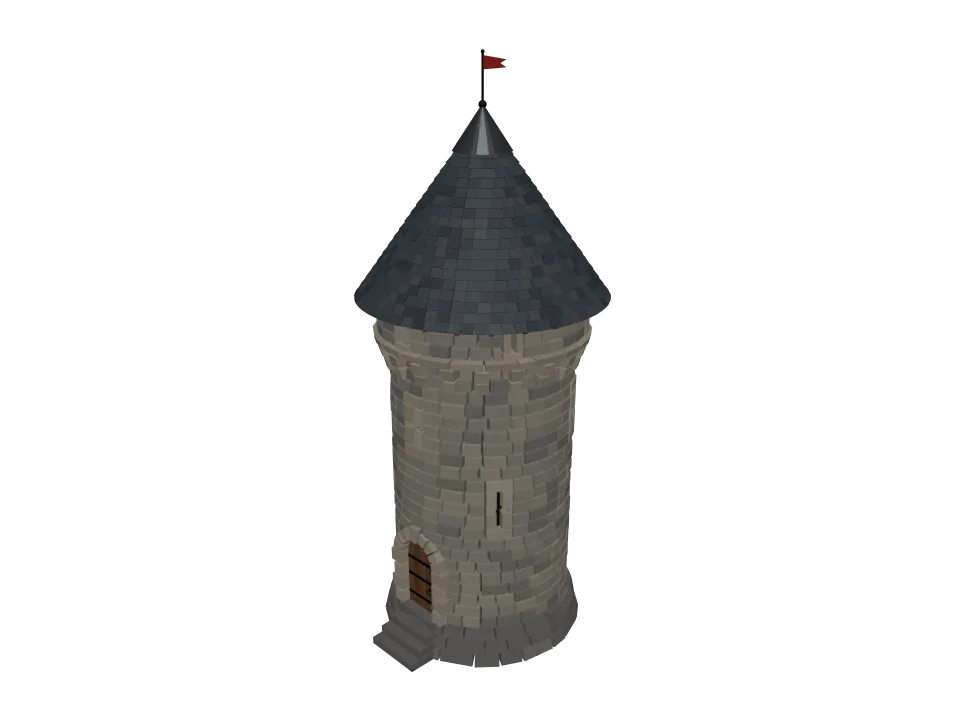
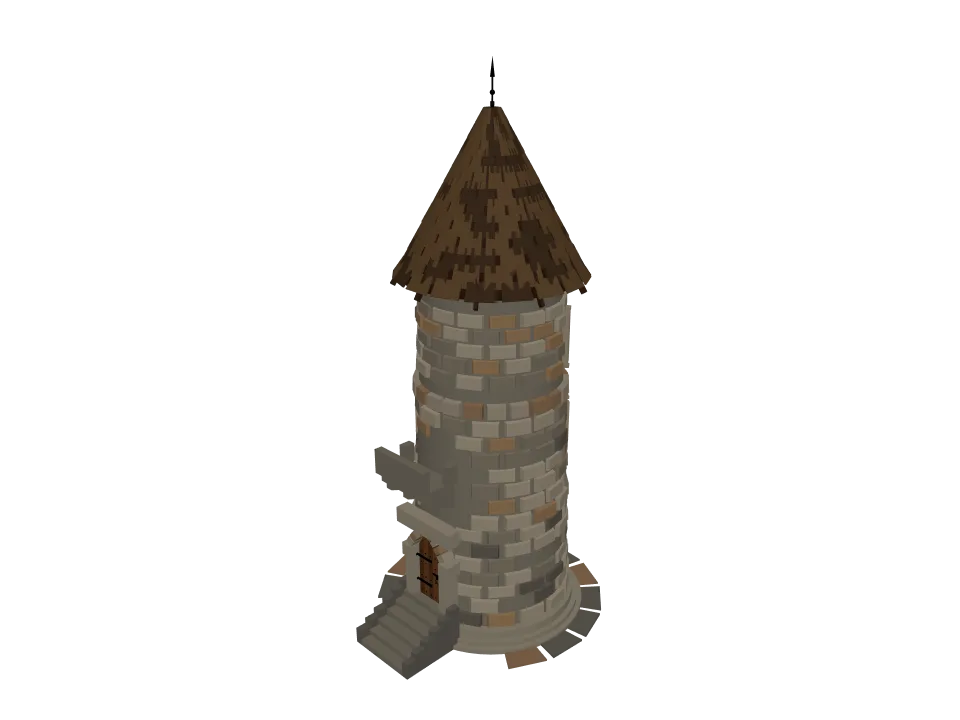
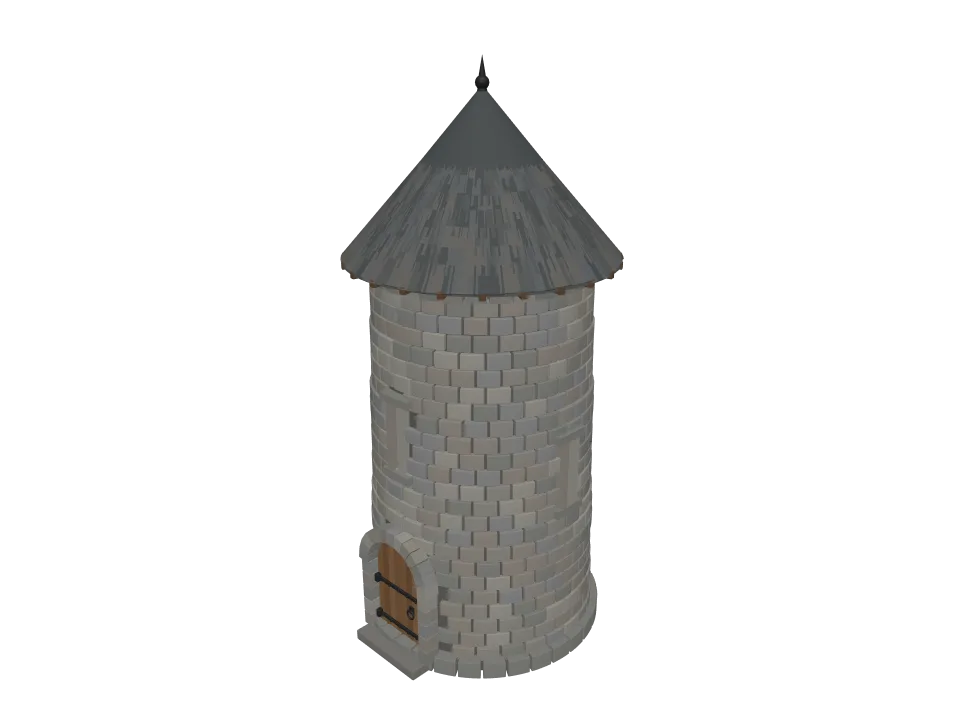
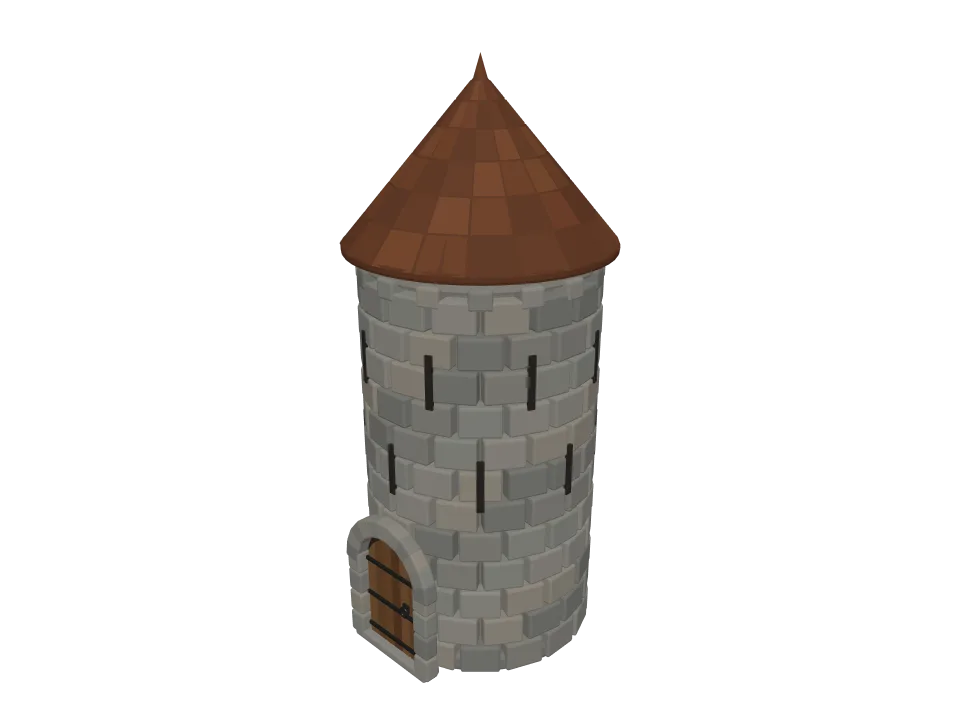
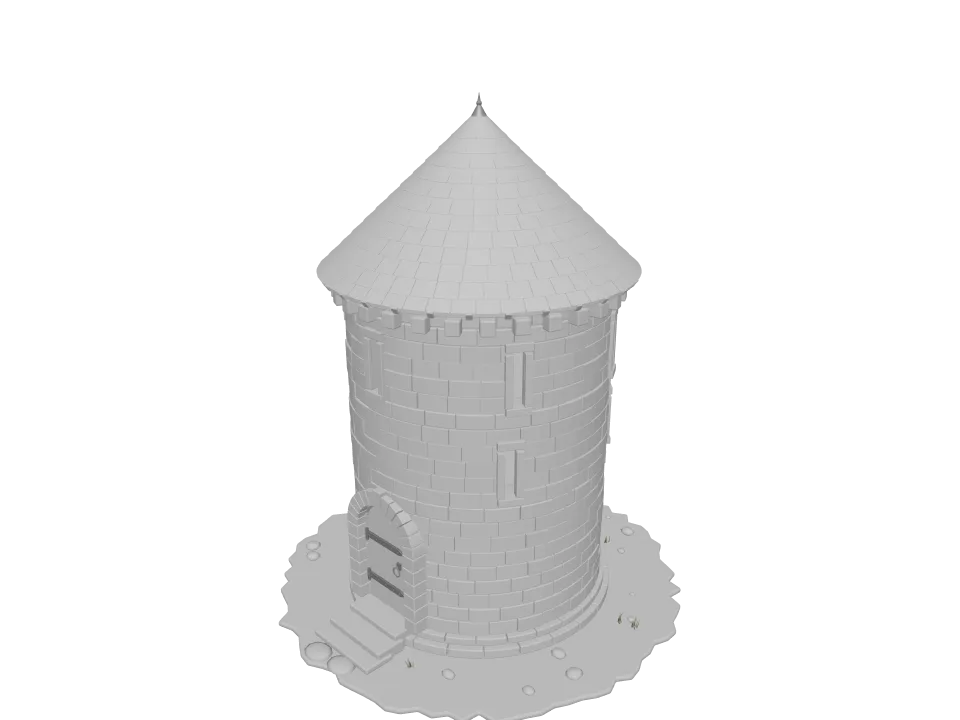
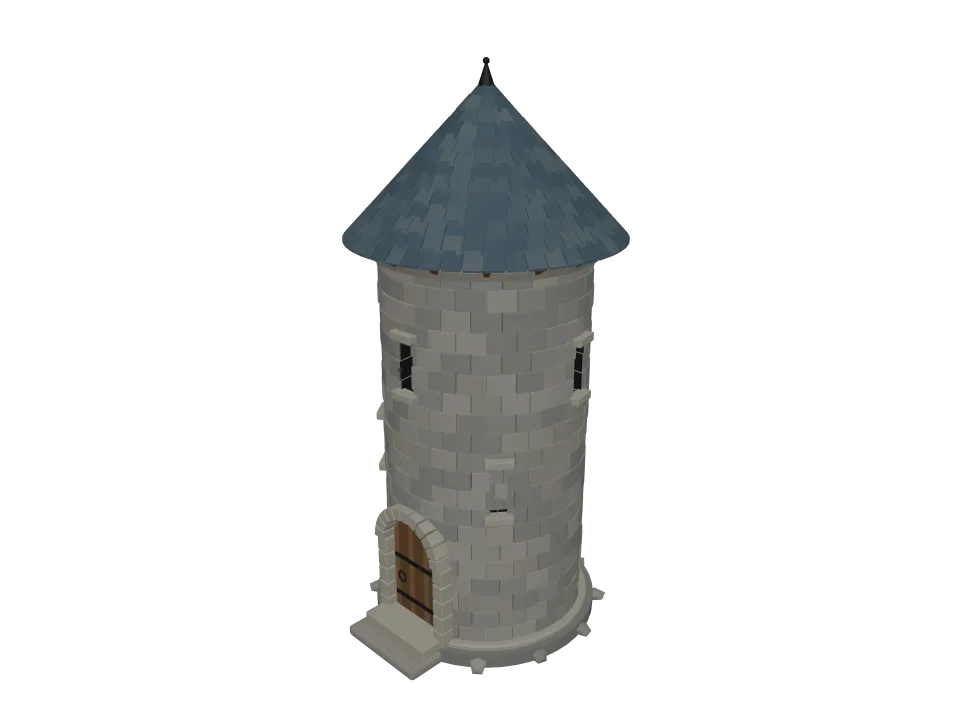
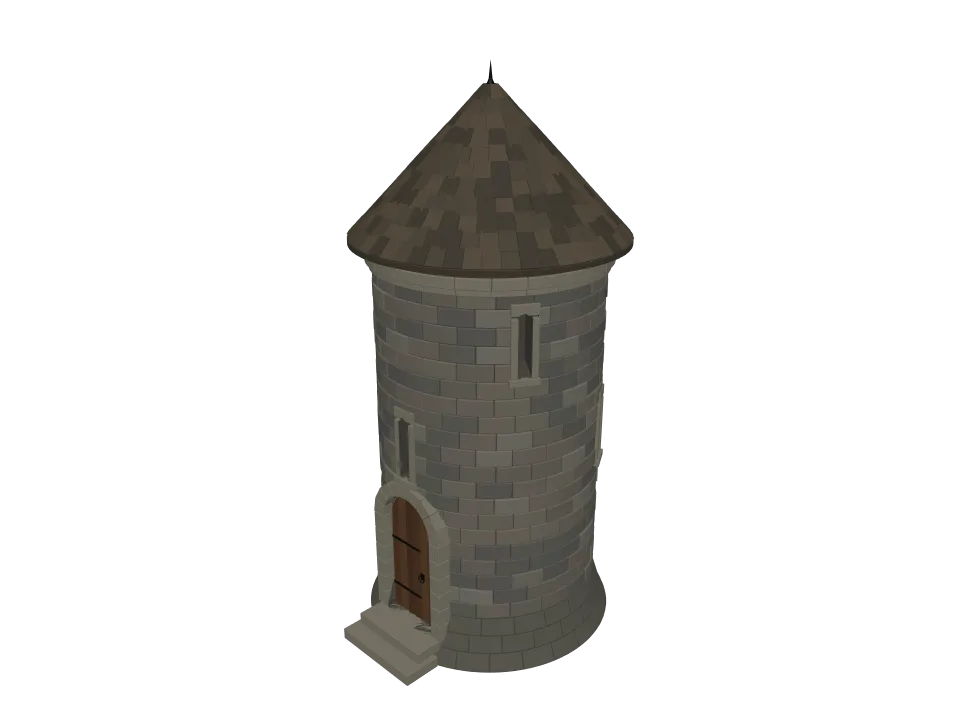
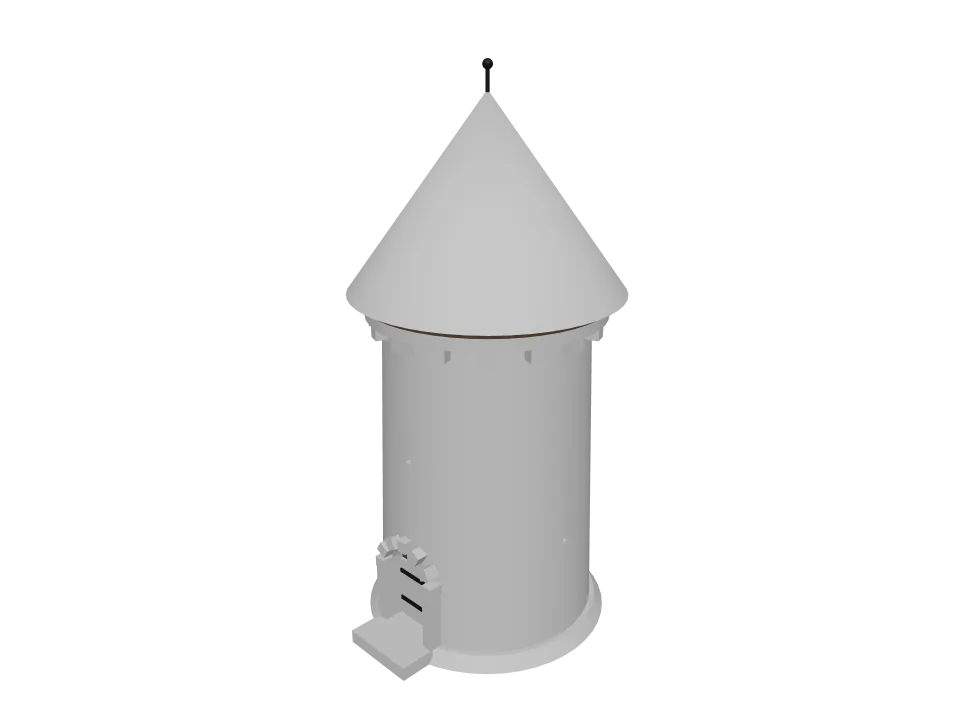
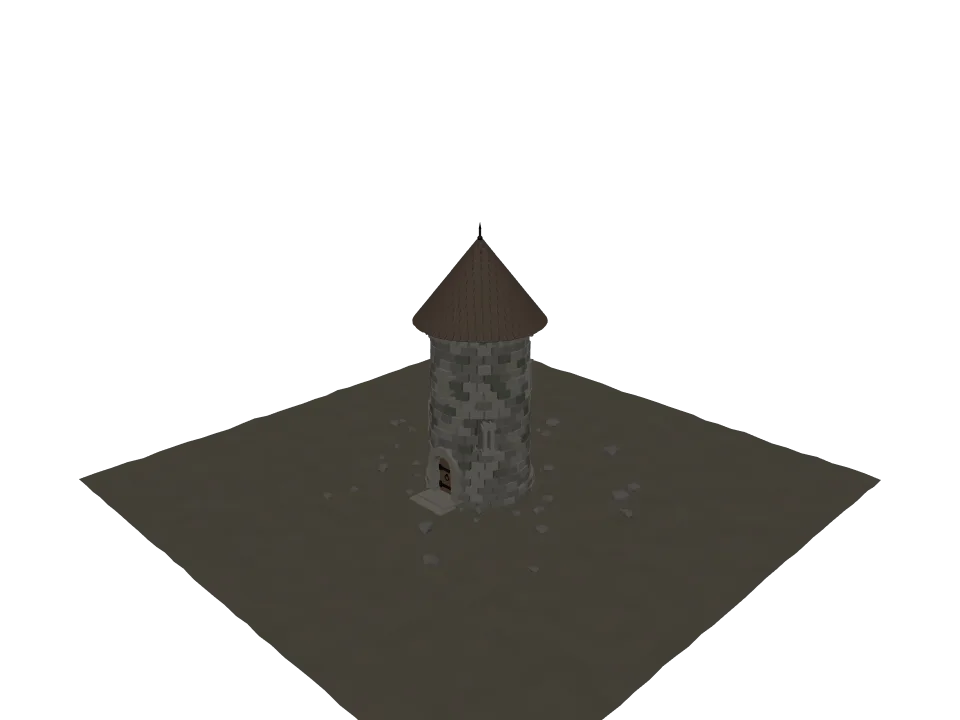
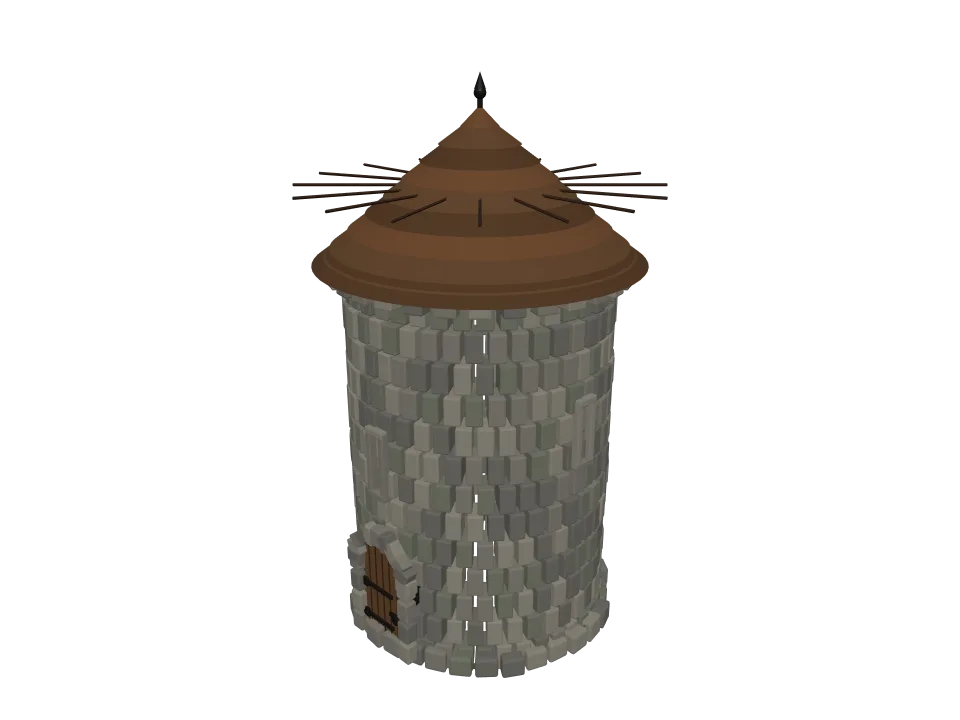
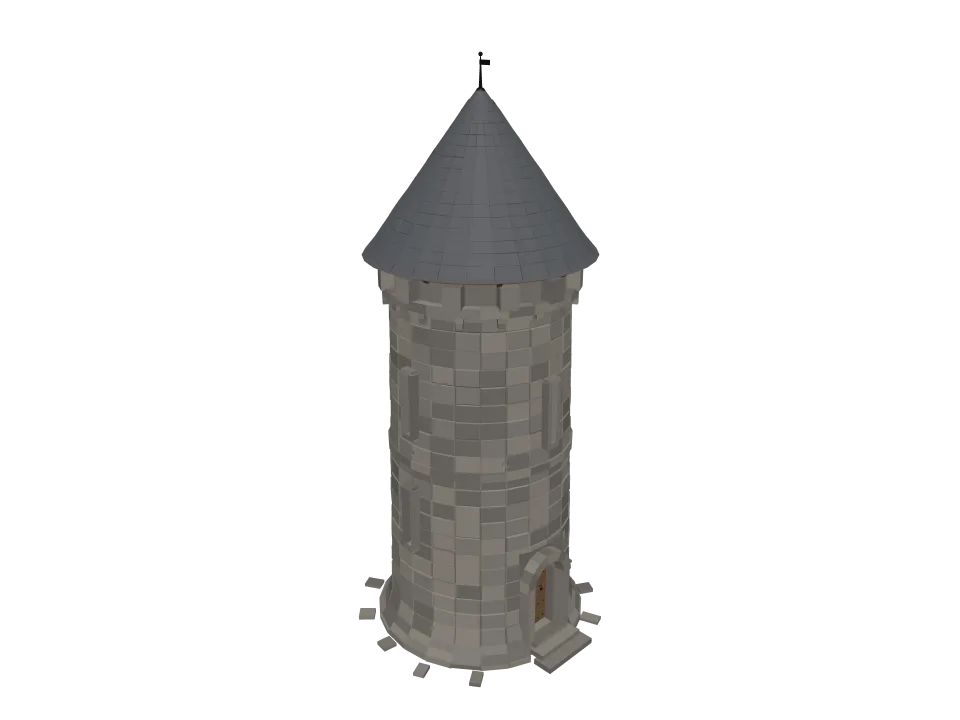
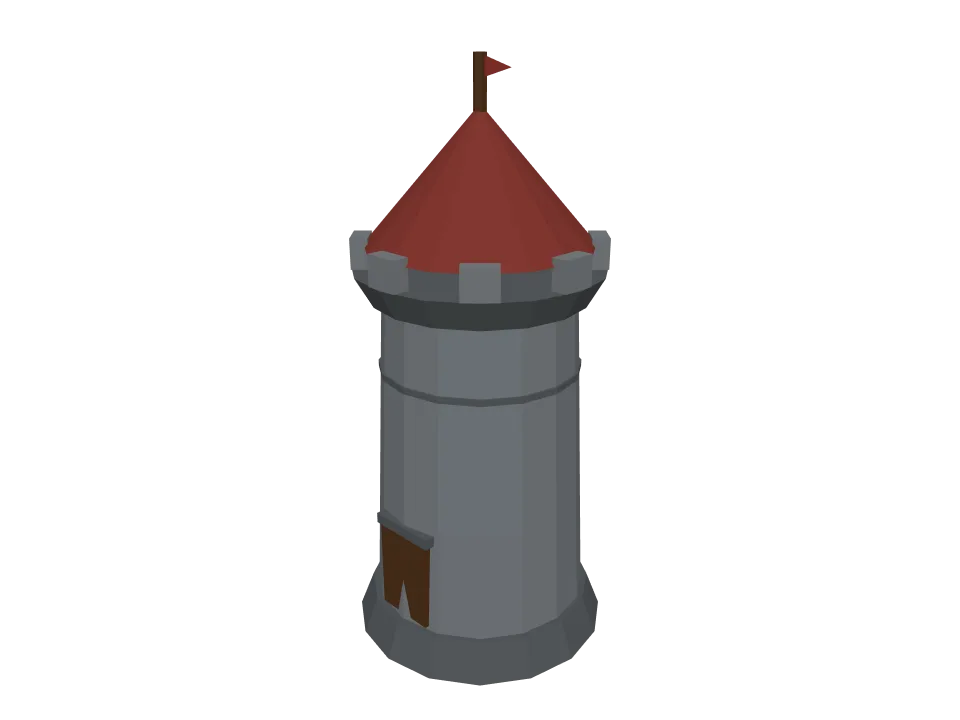
Stone watchtower
“A small medieval stone watchtower with a wooden door, arrow slits, and a conical roof.”
Tests Architectural massing, repeated elements, and material separation.
- P06Architecture
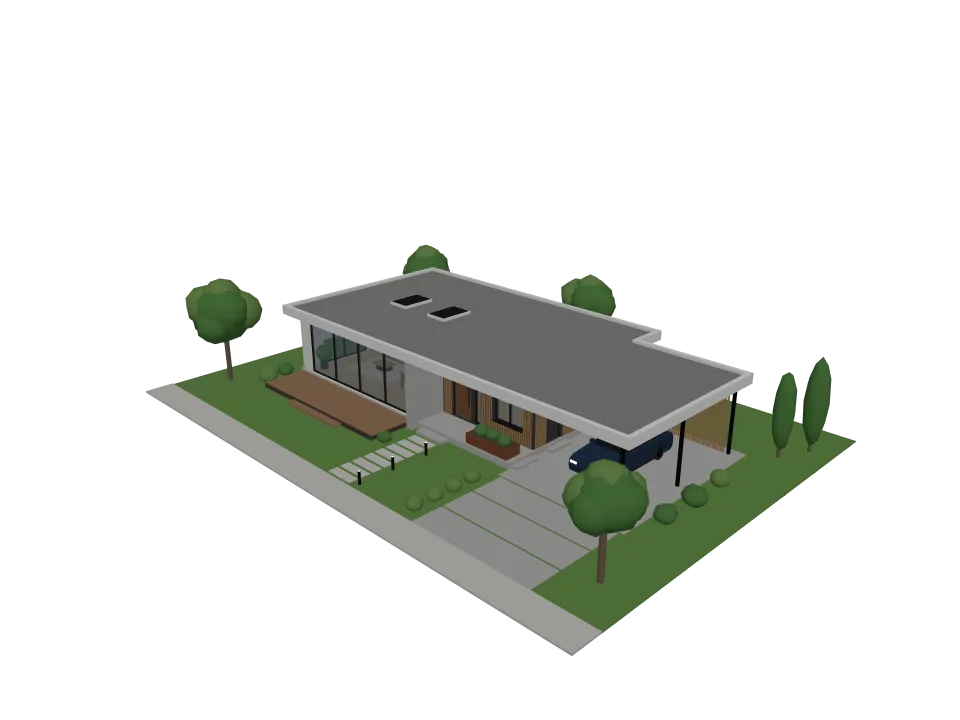
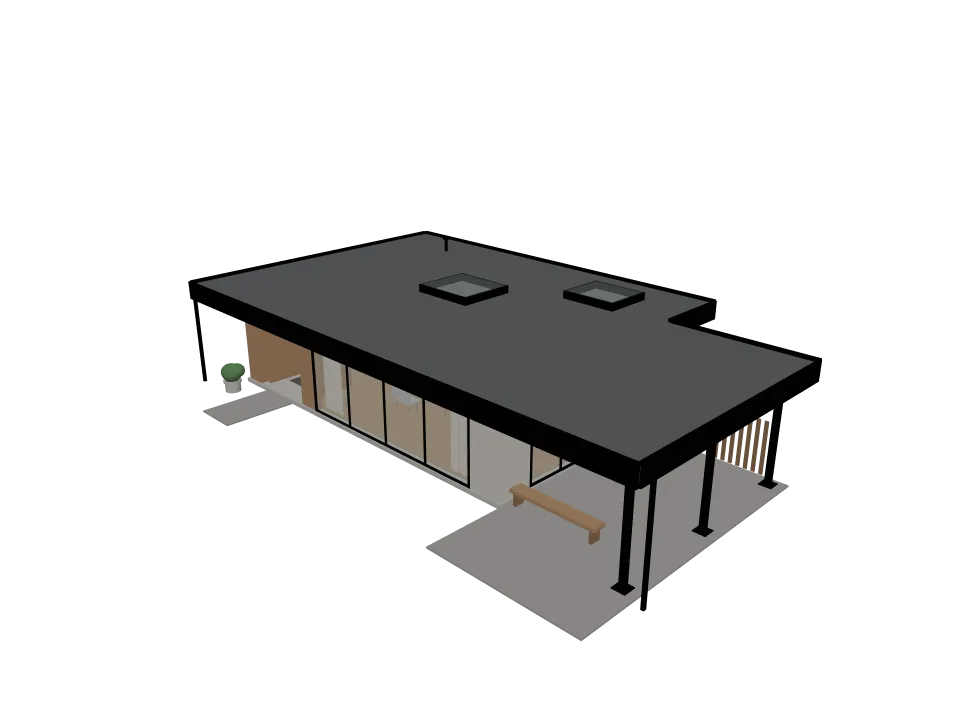
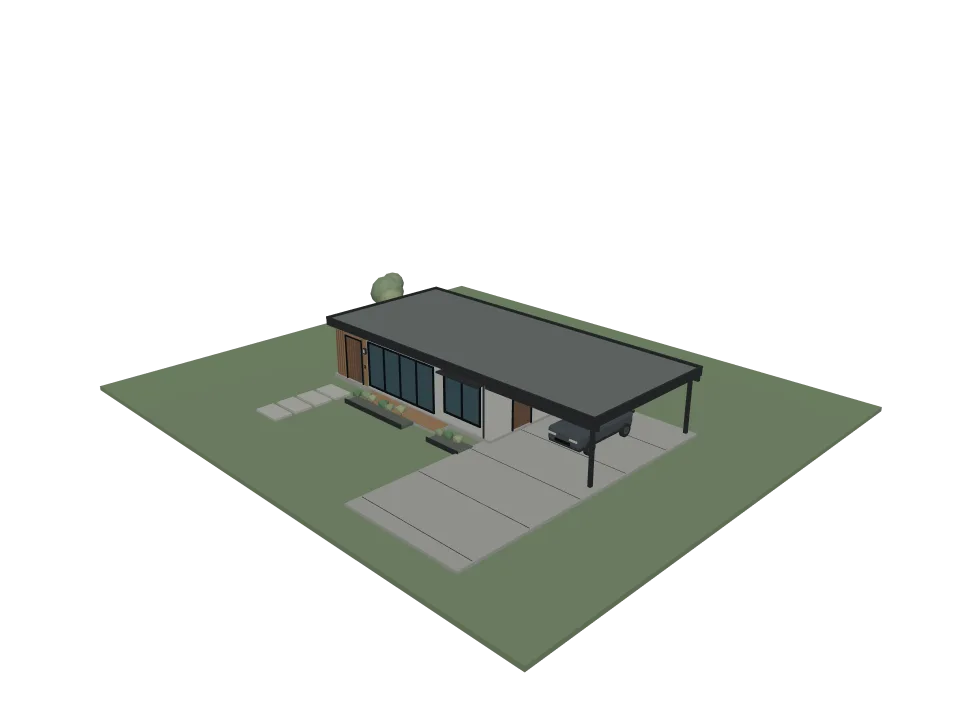
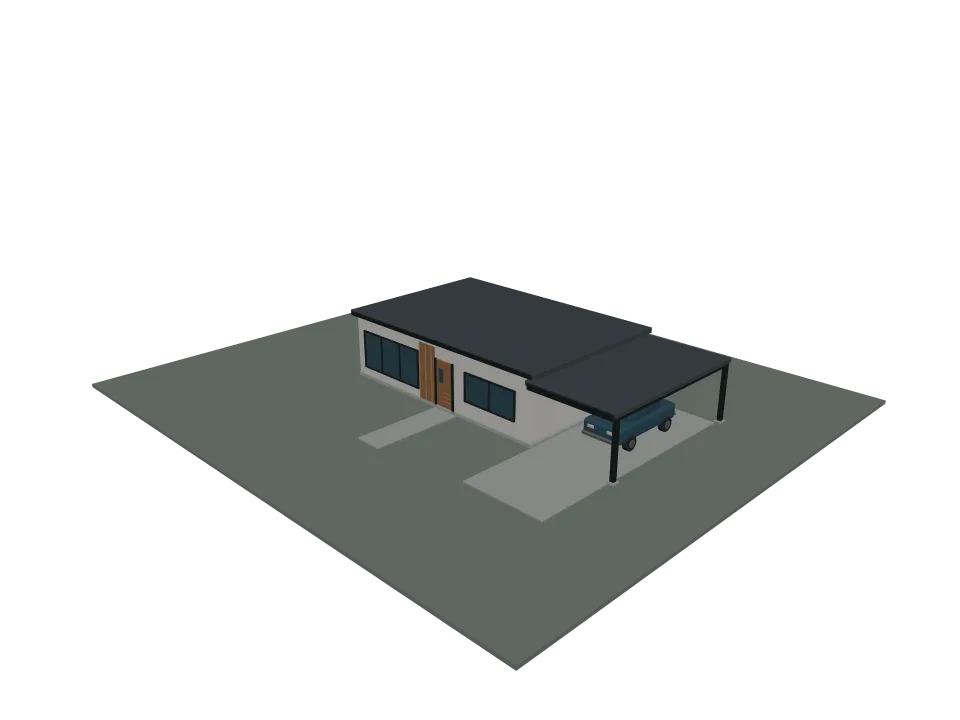
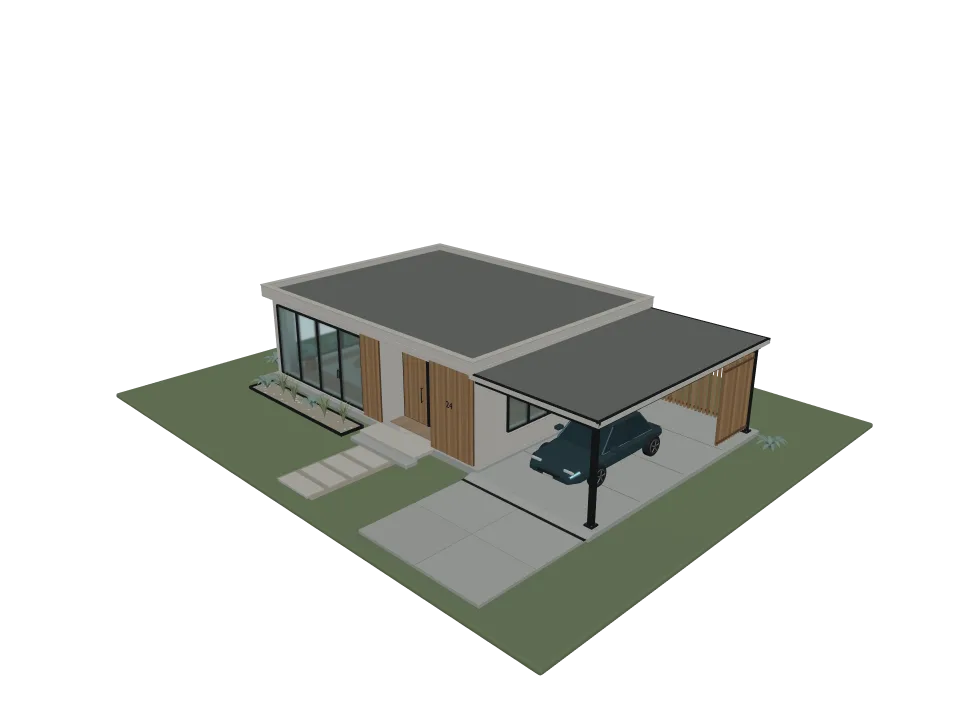
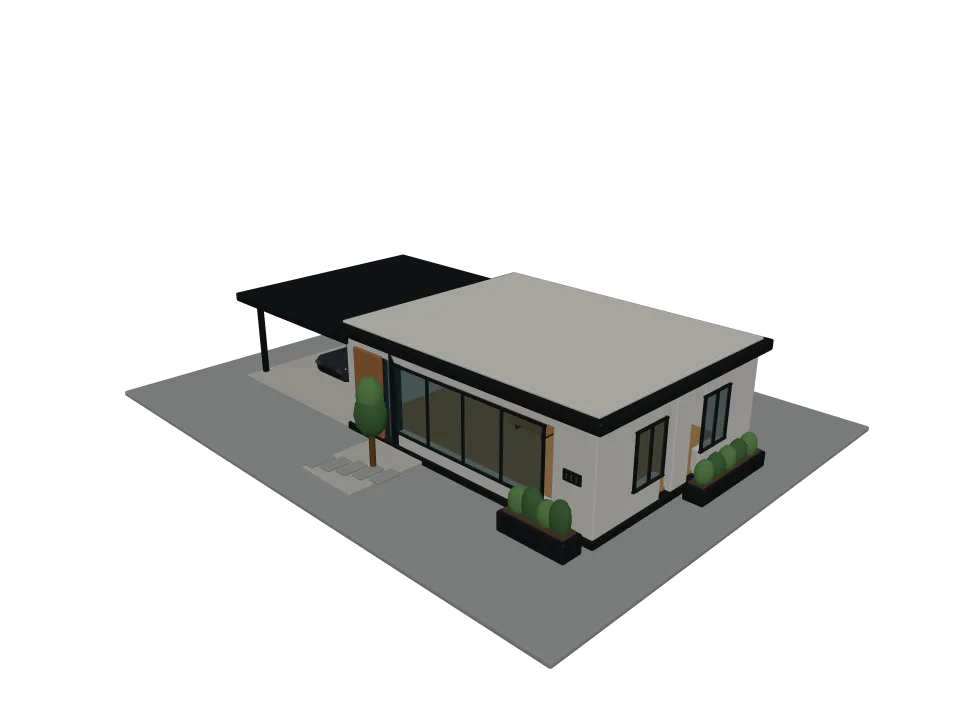
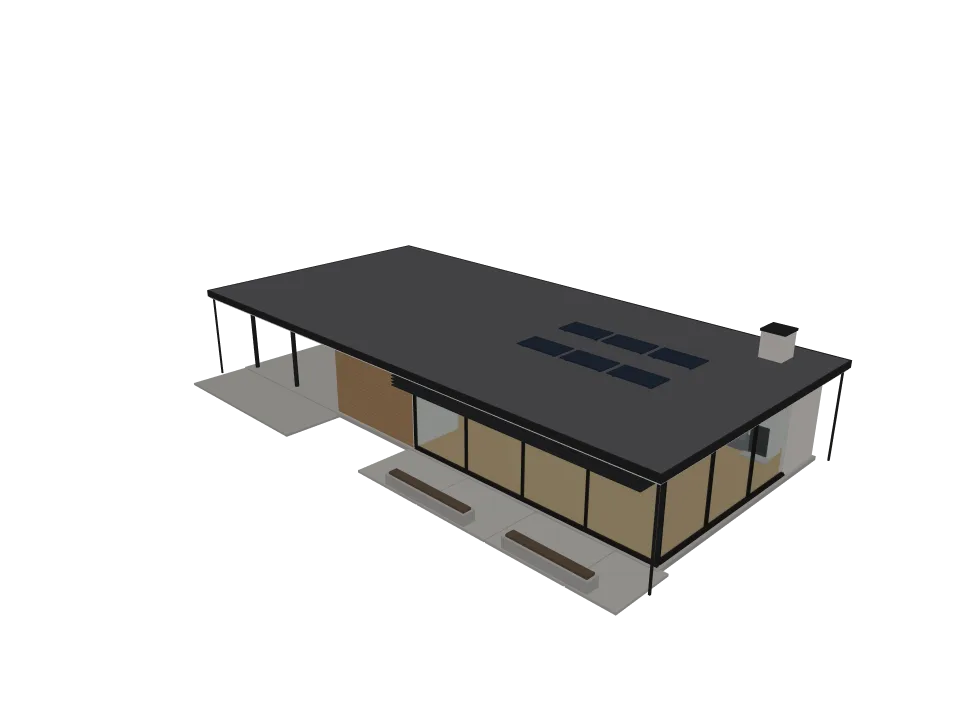
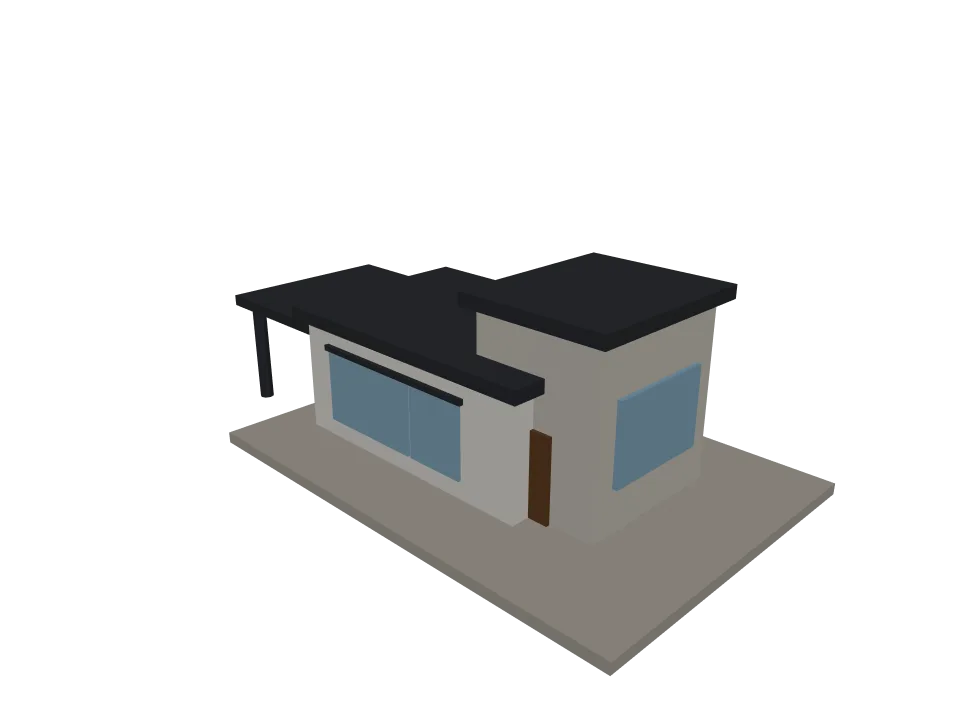
Modern house
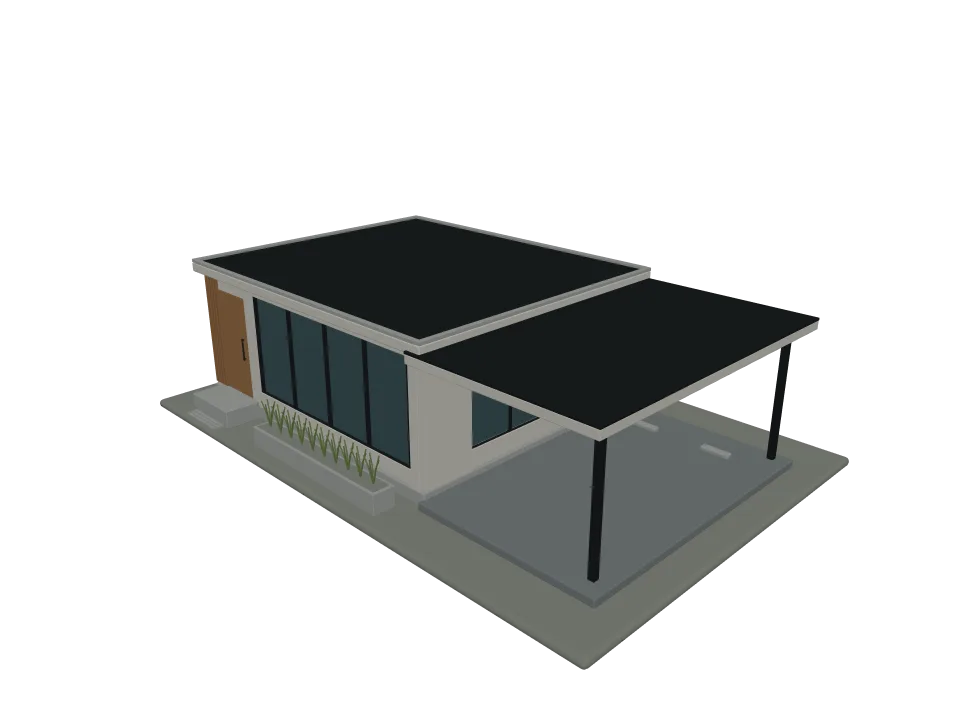
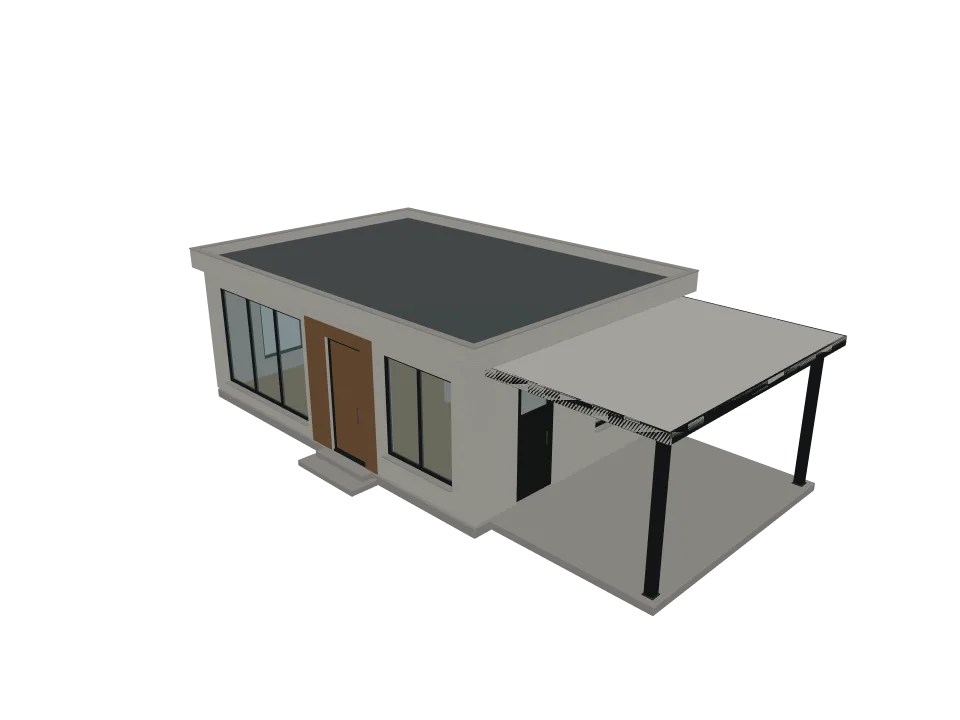
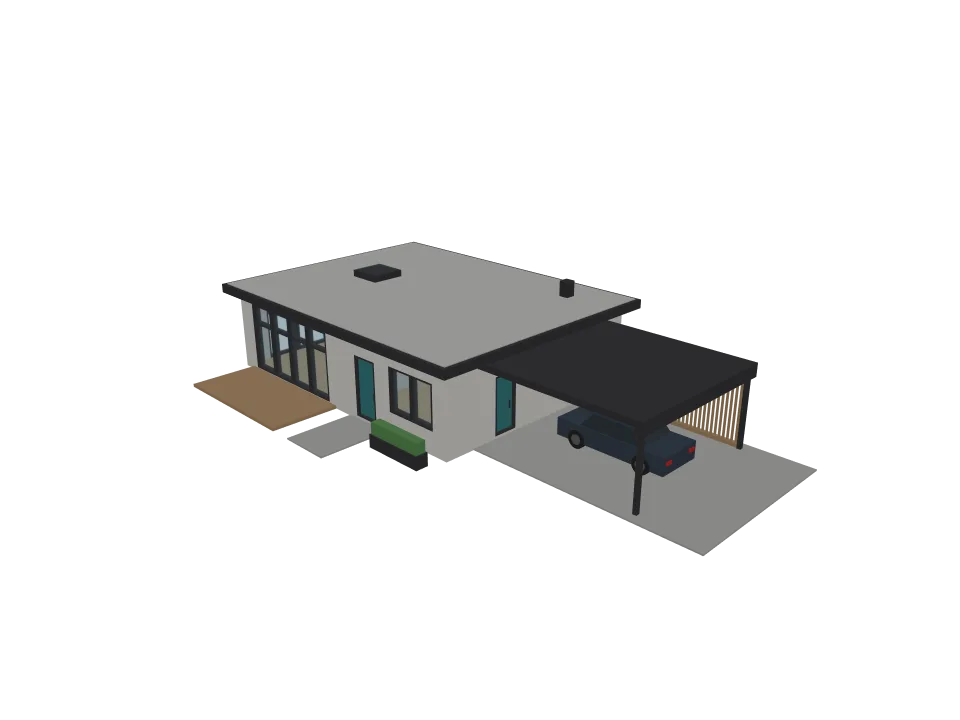
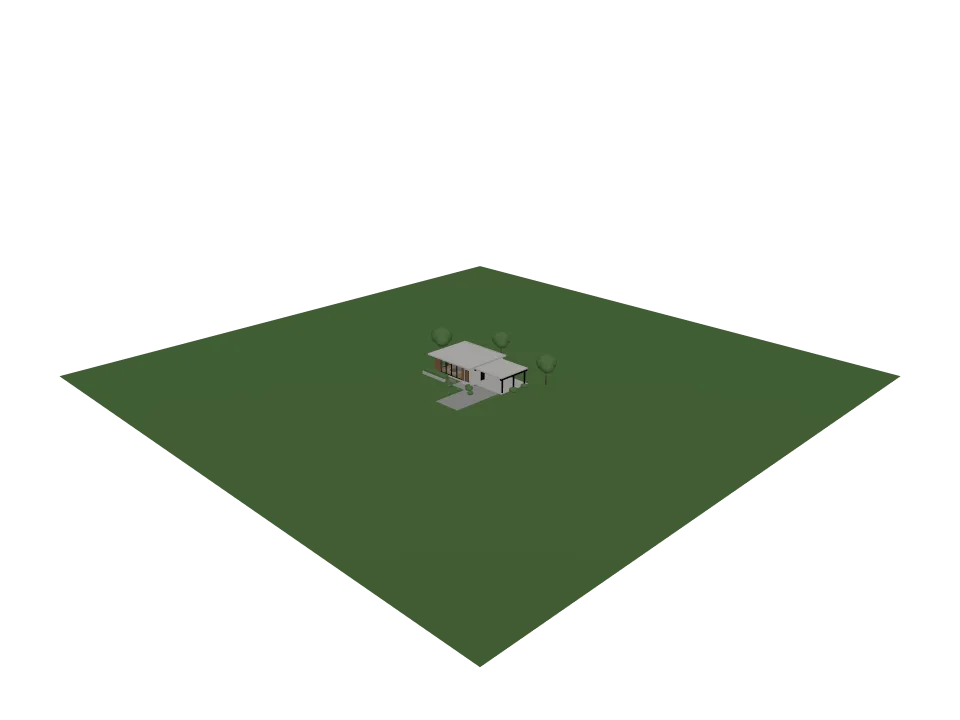
“A modern single-story house with flat roof, large windows, and an attached carport.”
Tests Clean planar geometry, boolean-like openings, and real-world proportions.
- P07Vehicles
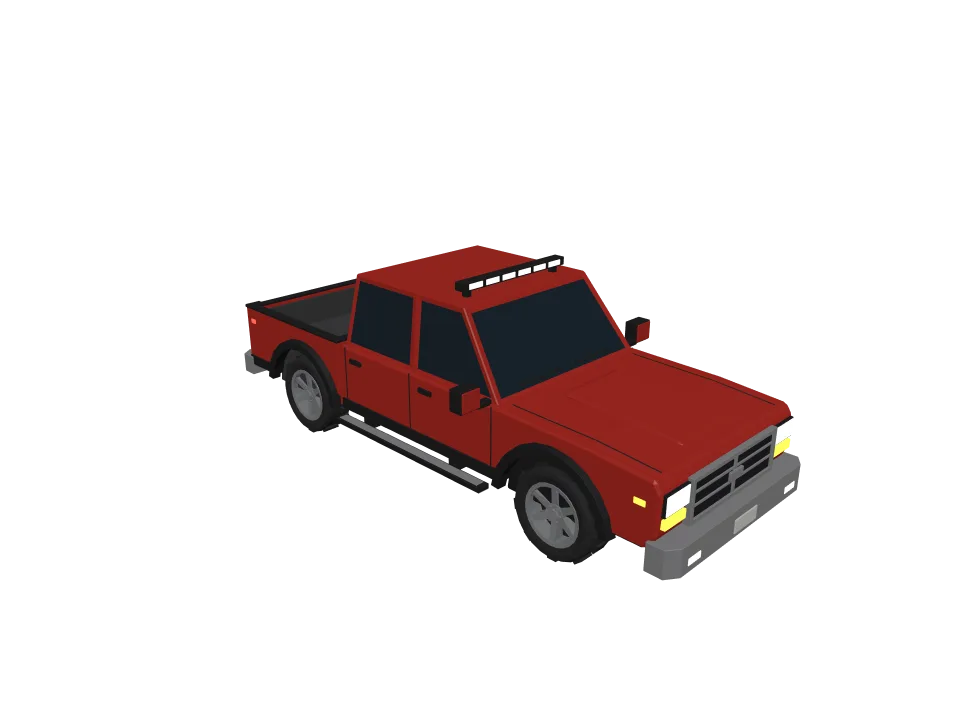
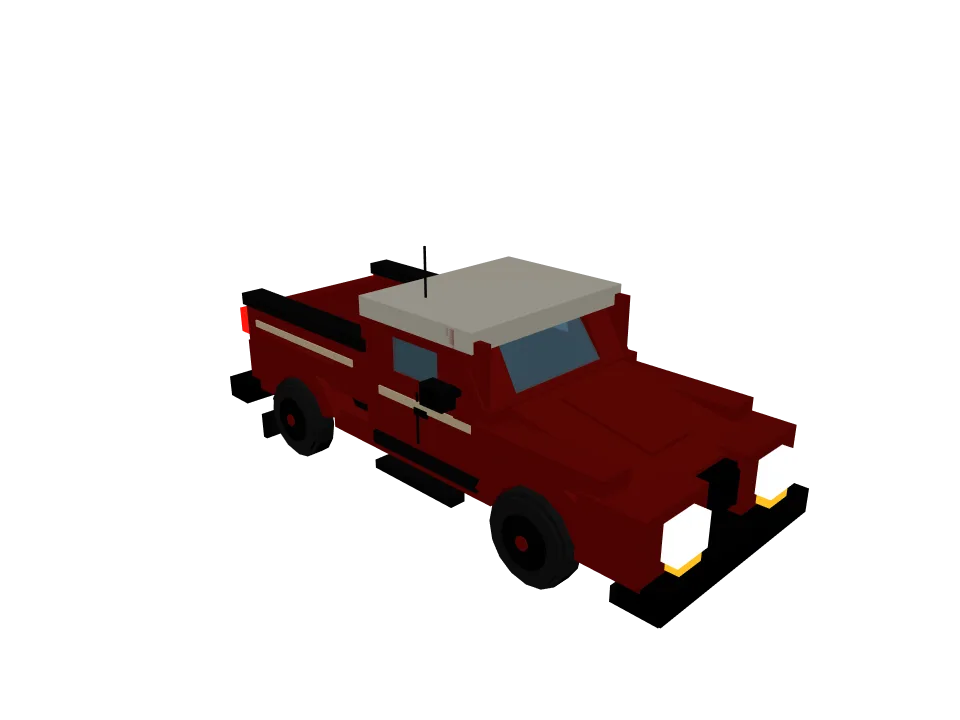
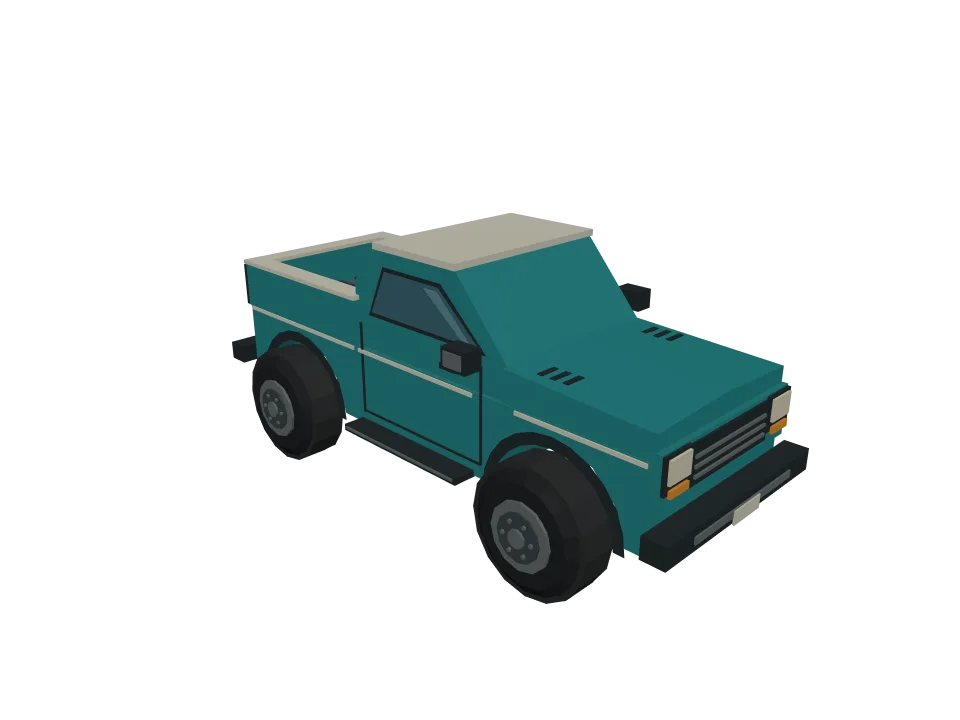
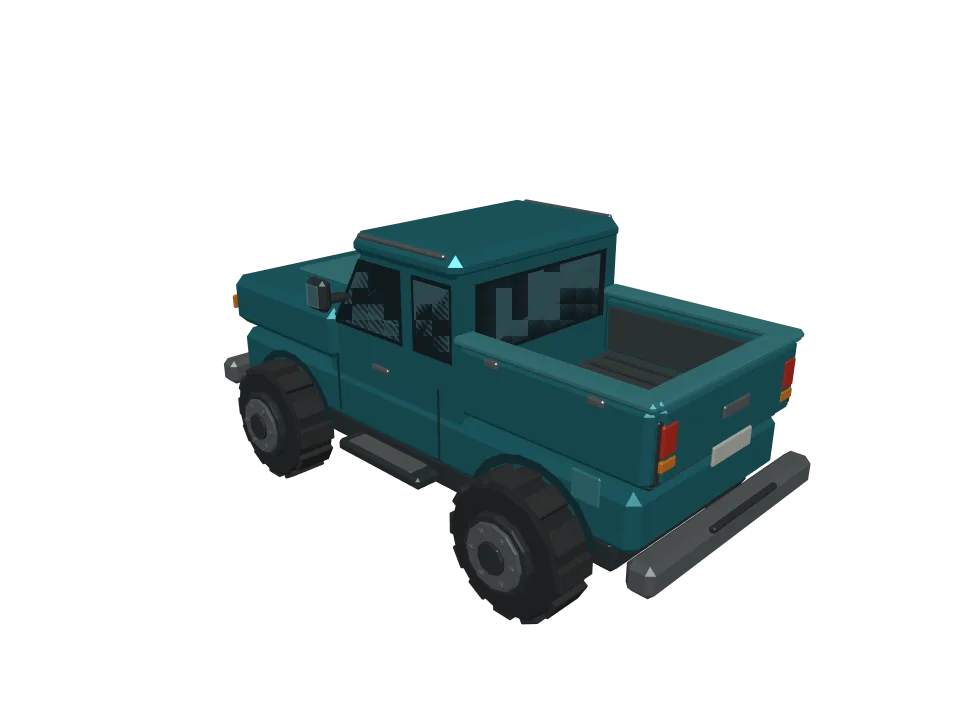
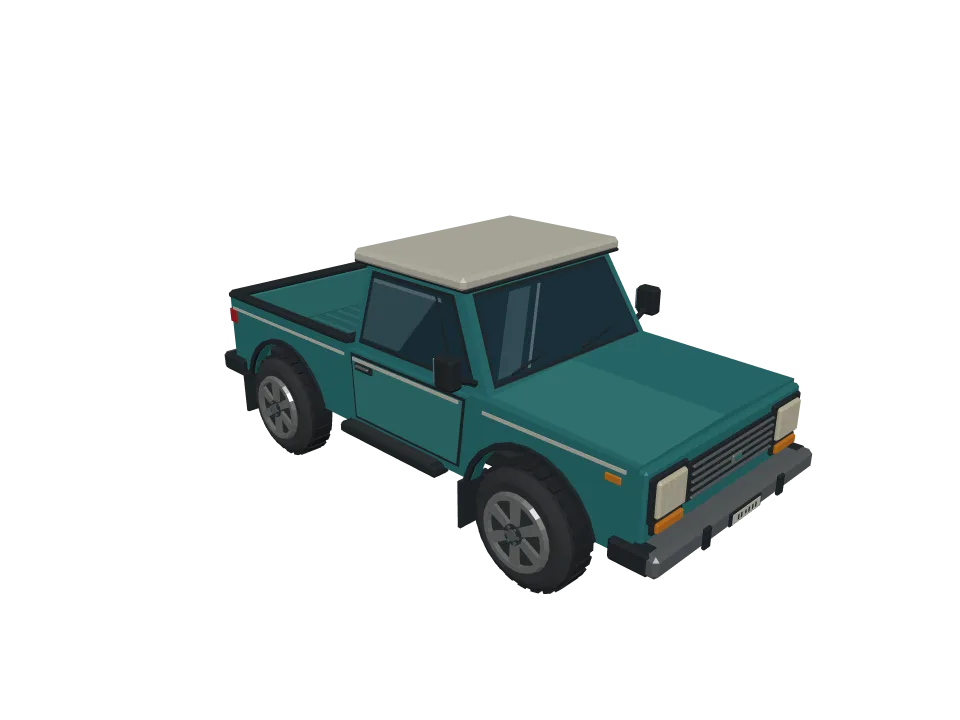
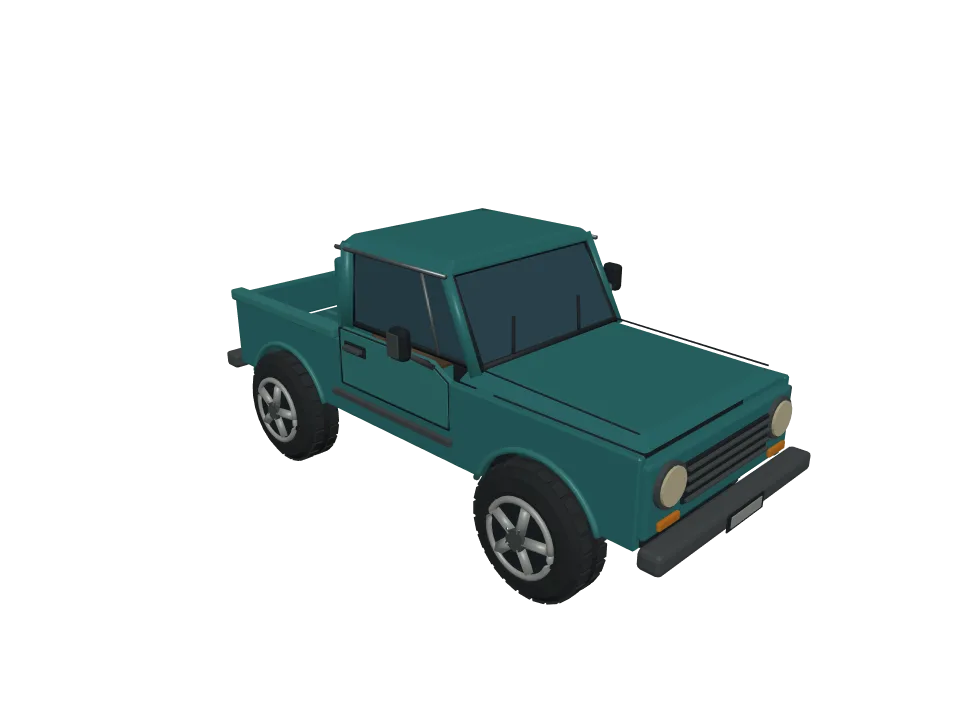
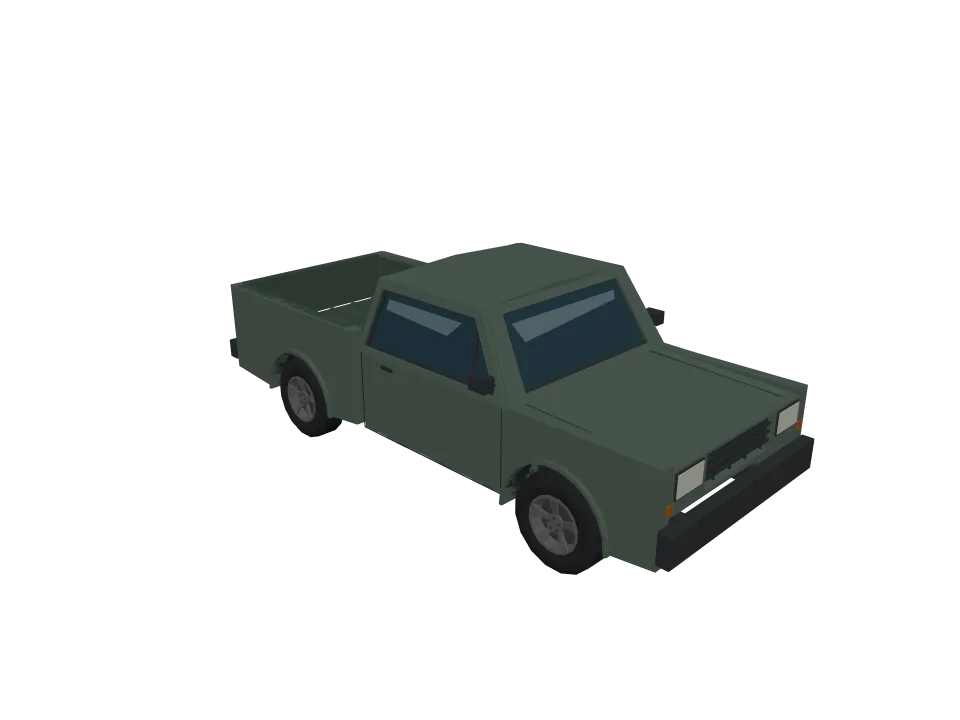
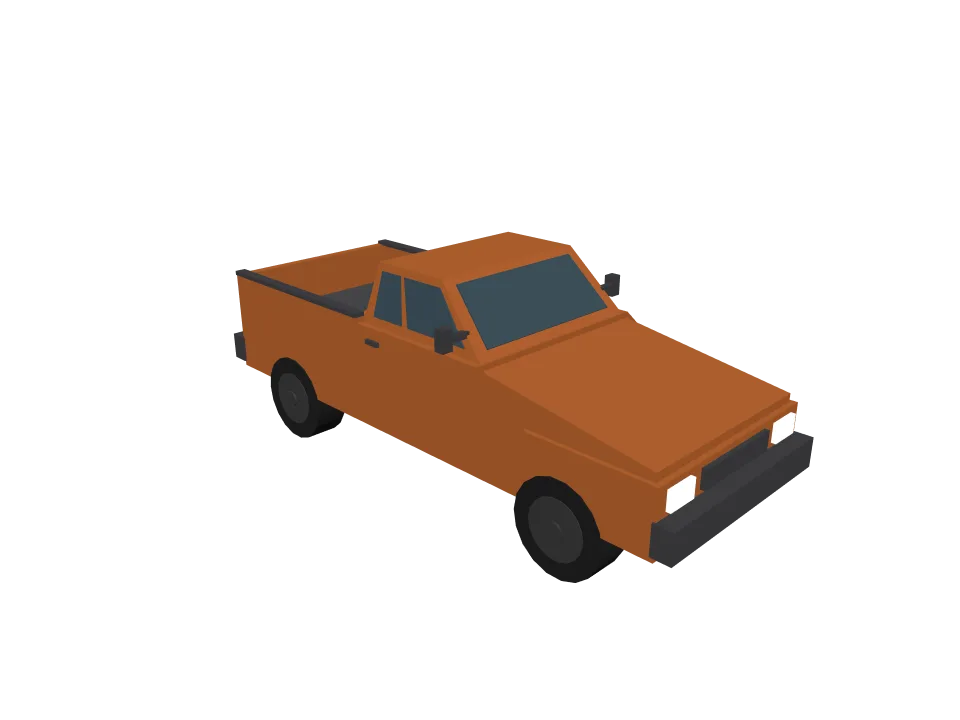
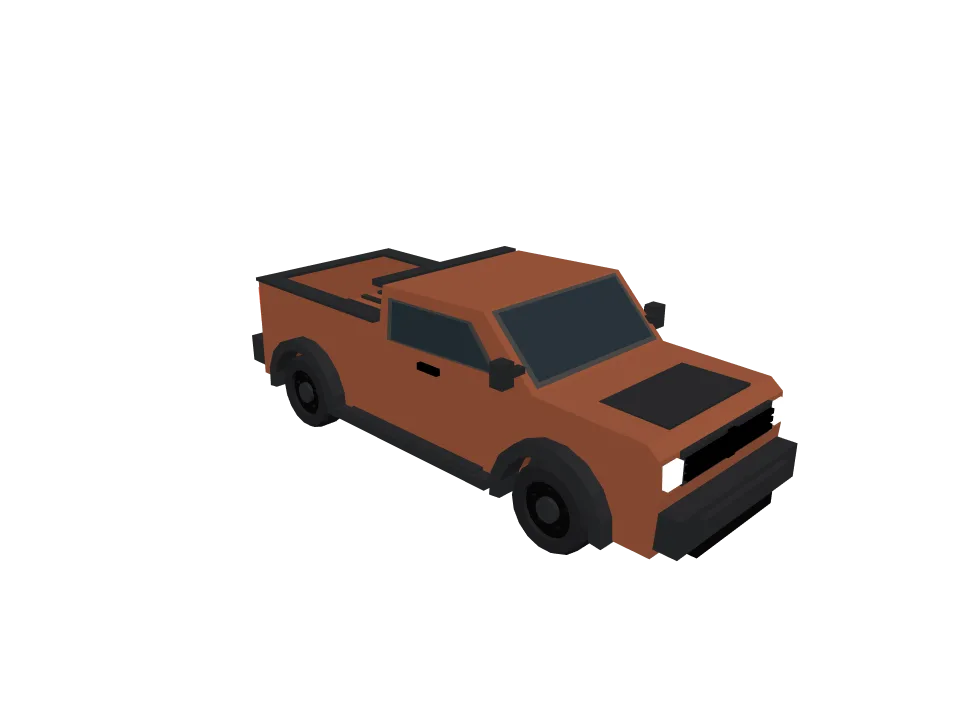
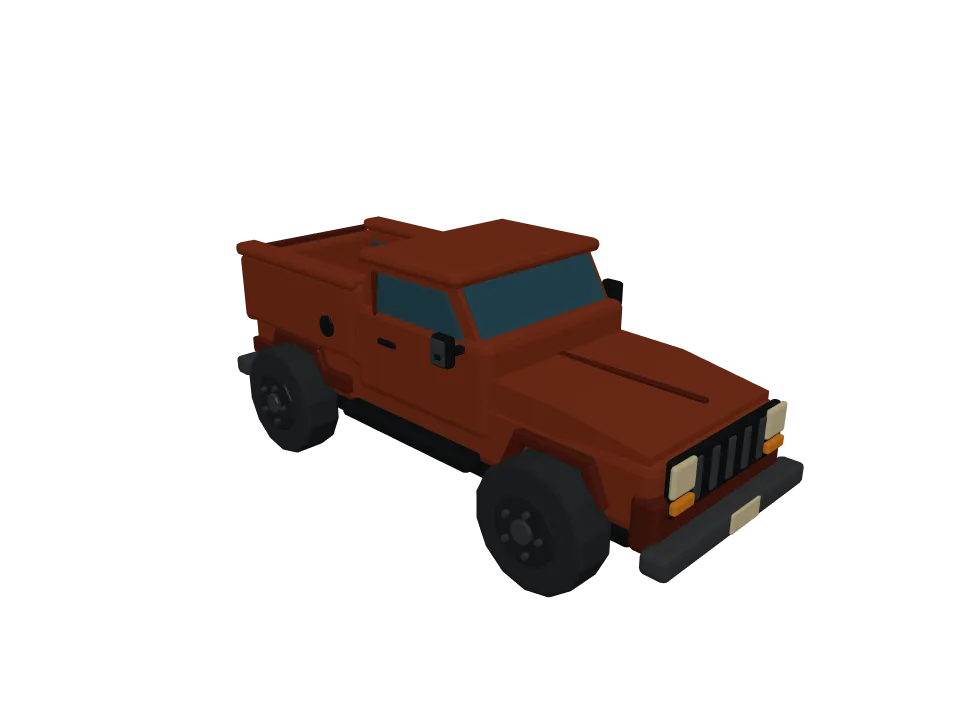
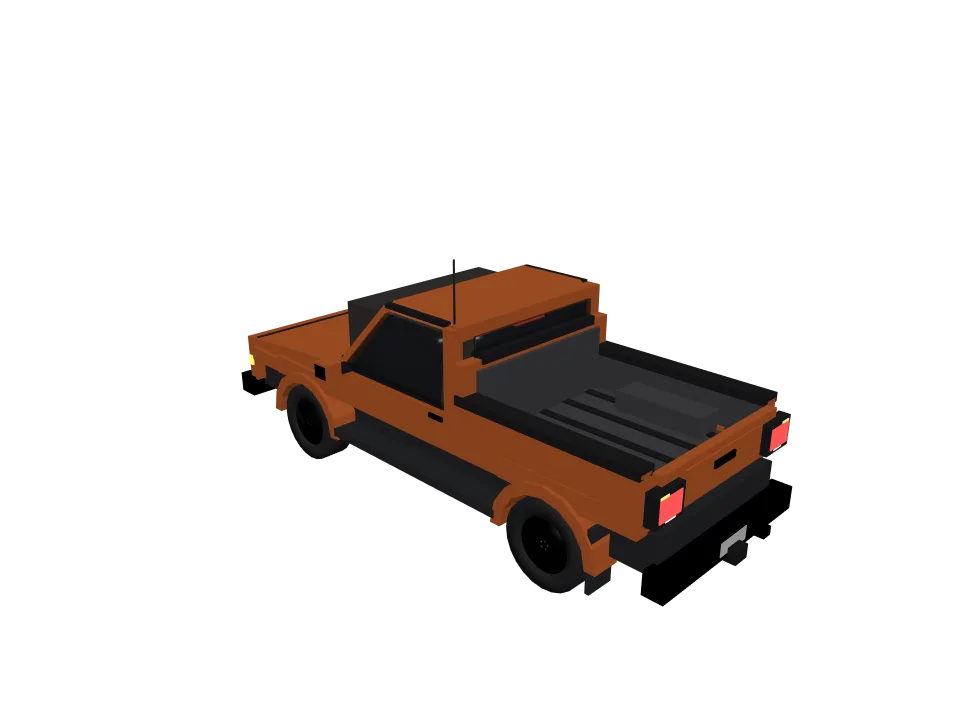
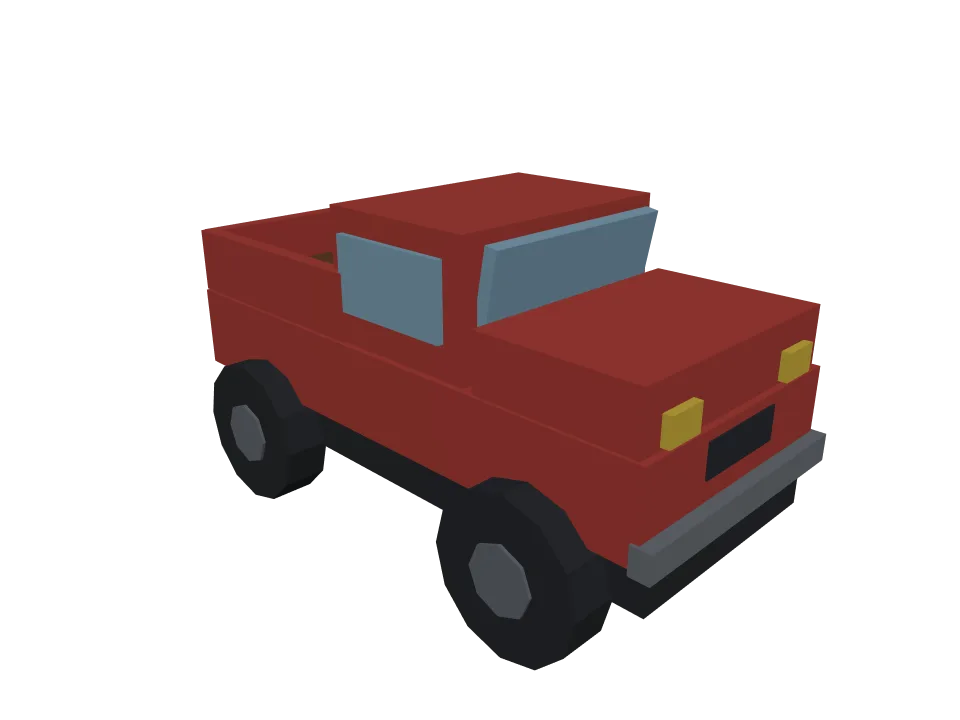
Pickup truck
“A low-poly pickup truck with visible wheels, cabin, and cargo bed, game-asset style.”
Tests Vehicle proportions, wheel placement, and part separation.
- P08Vehicles
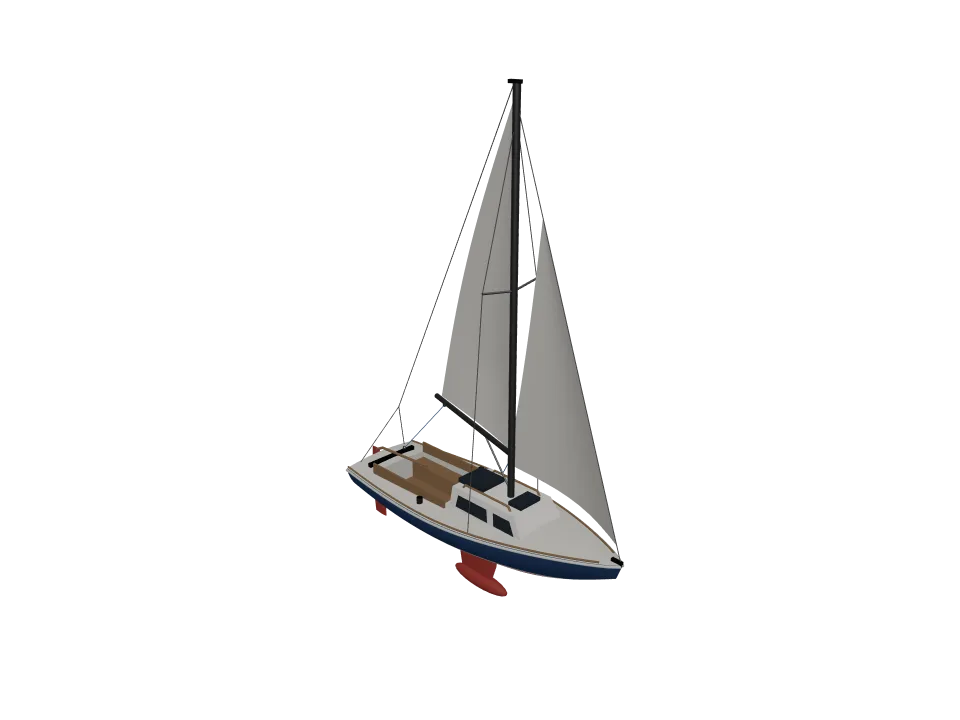
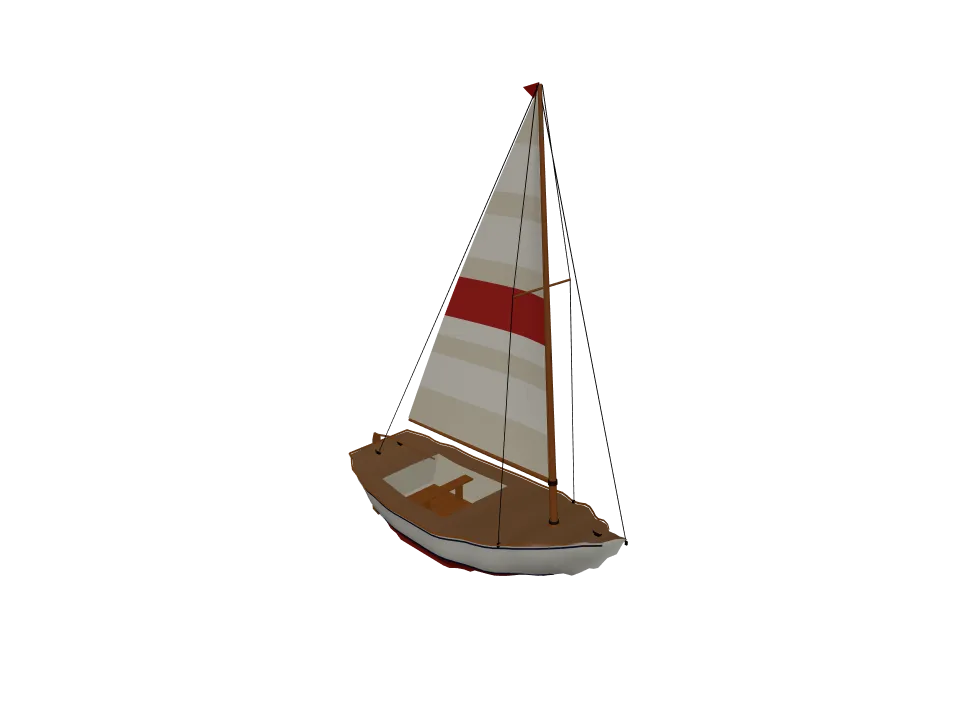
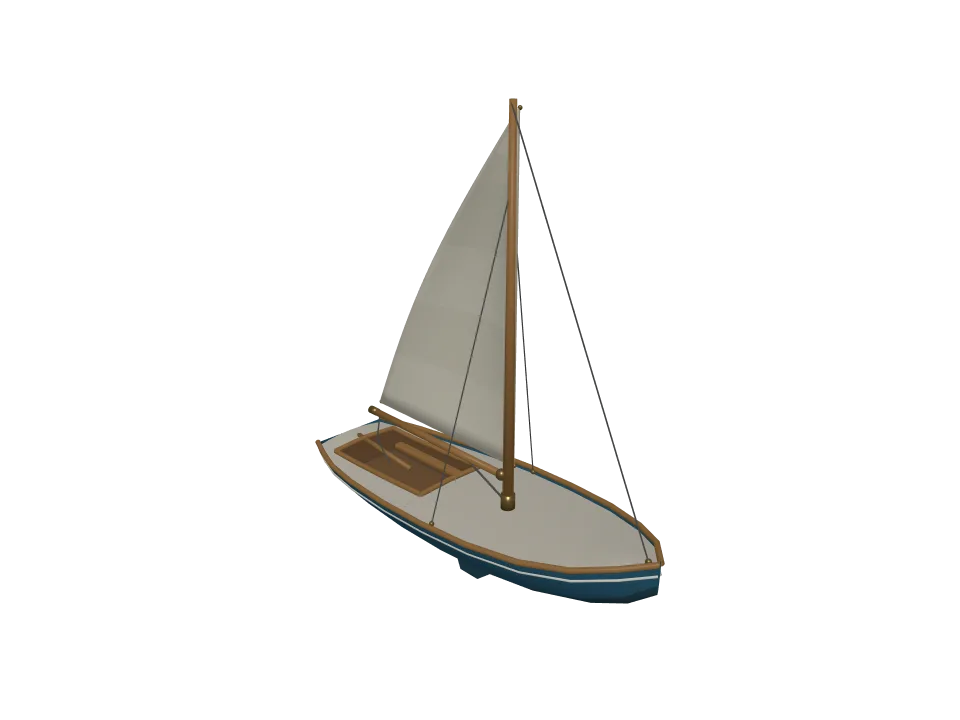
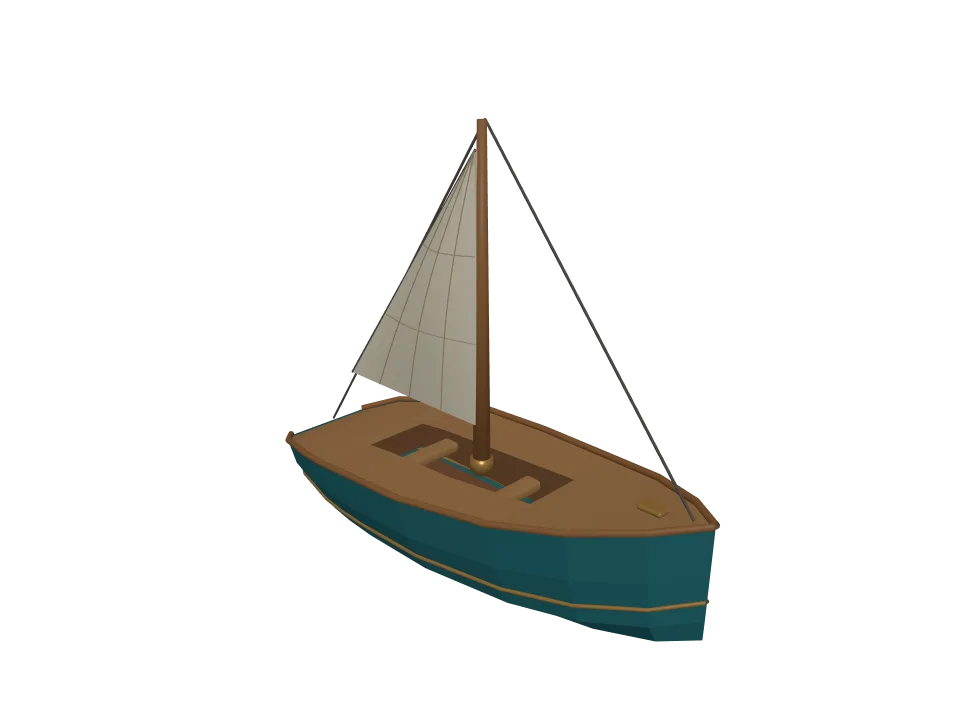
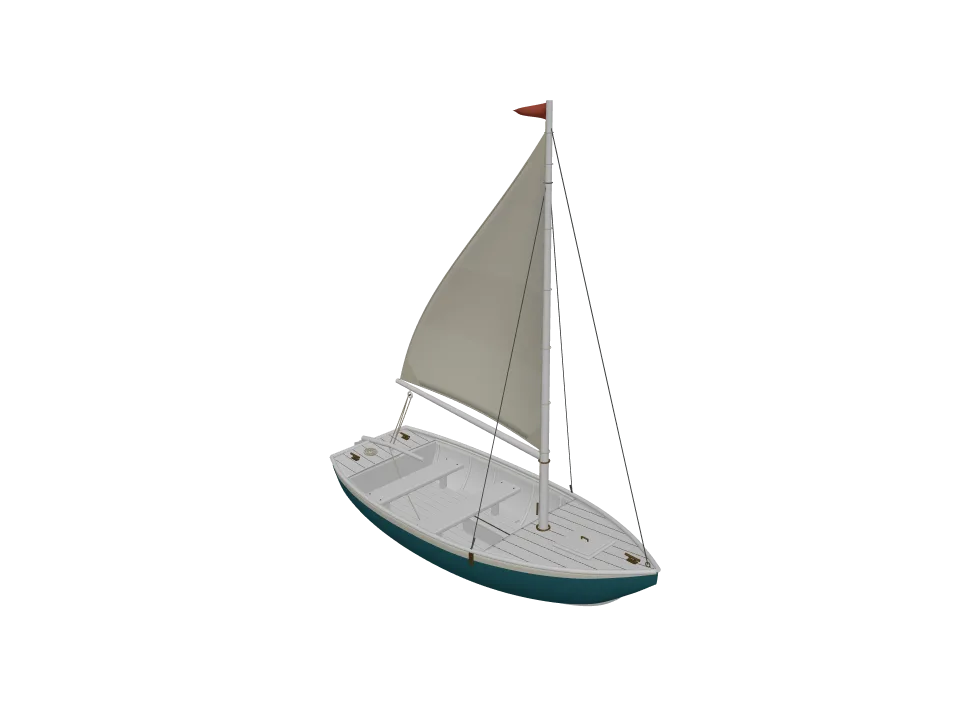
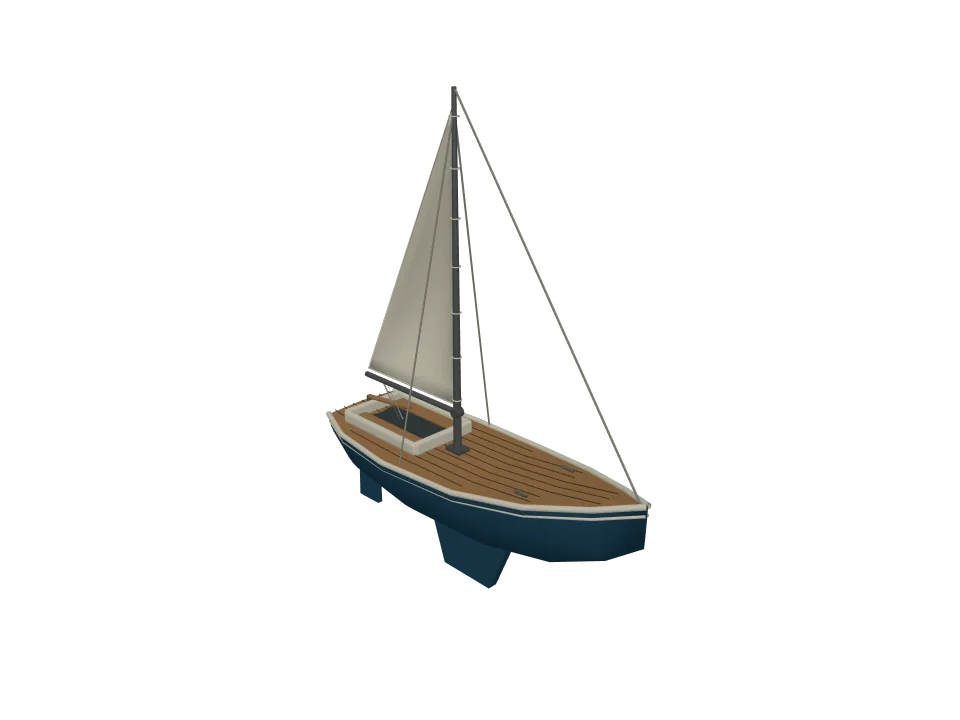
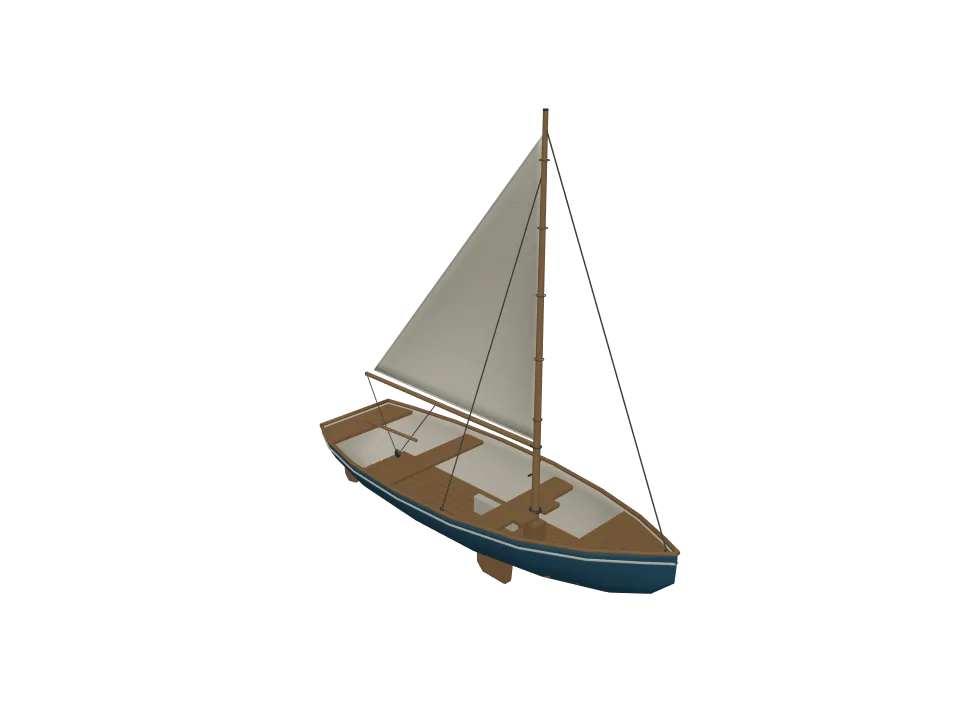
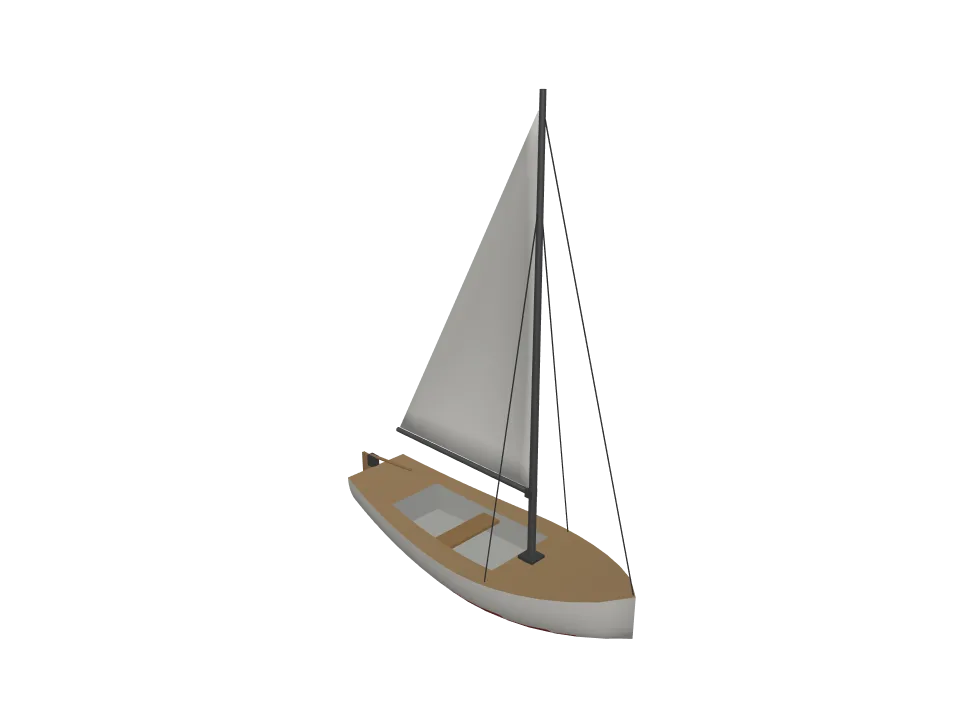
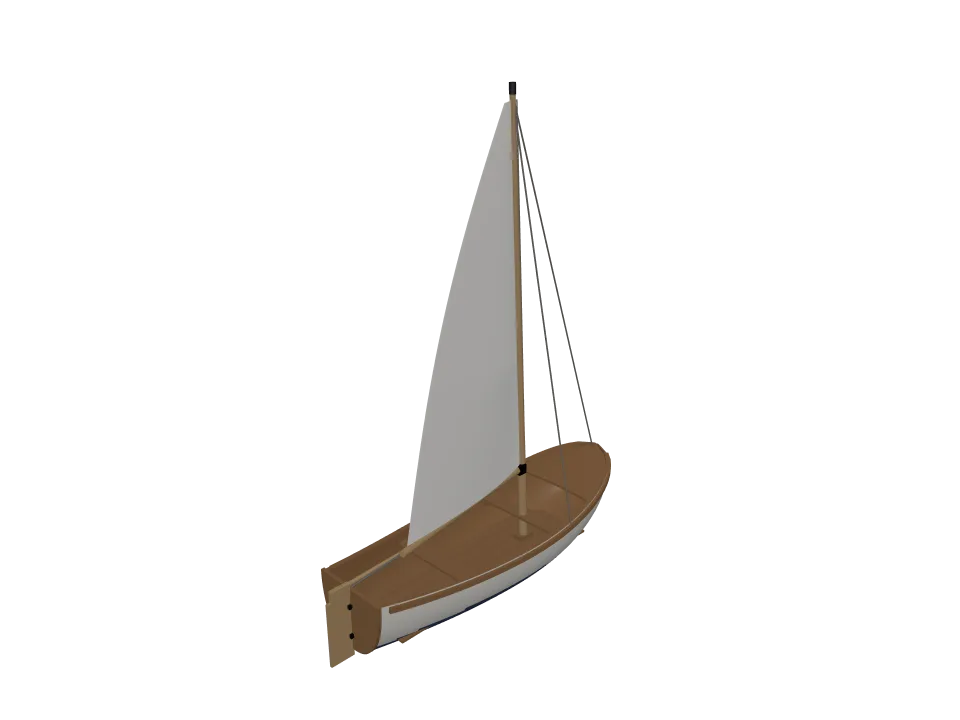
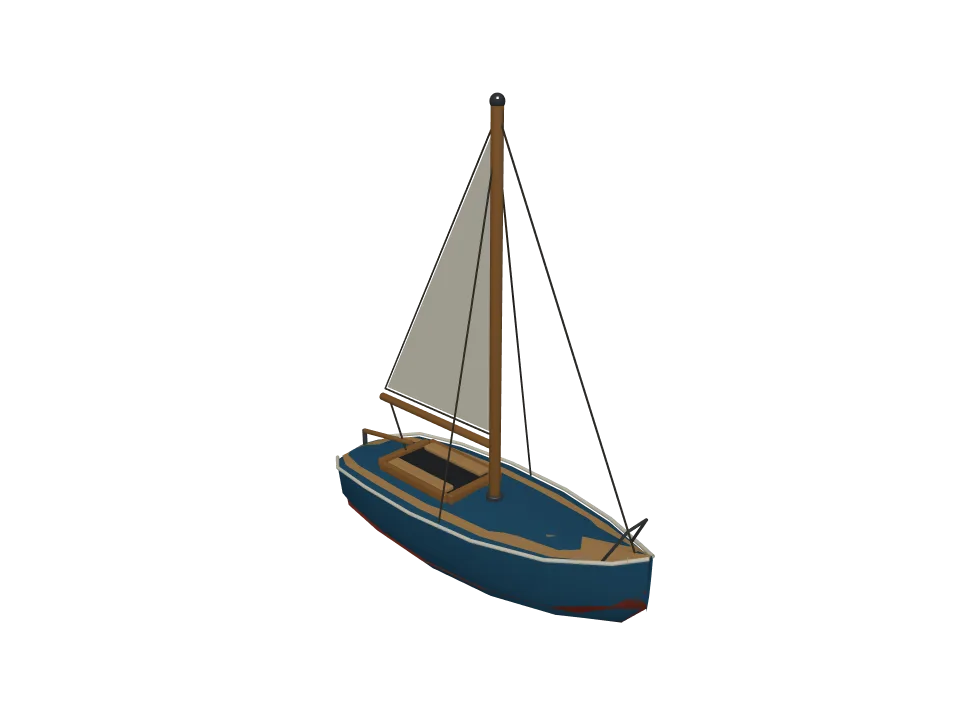
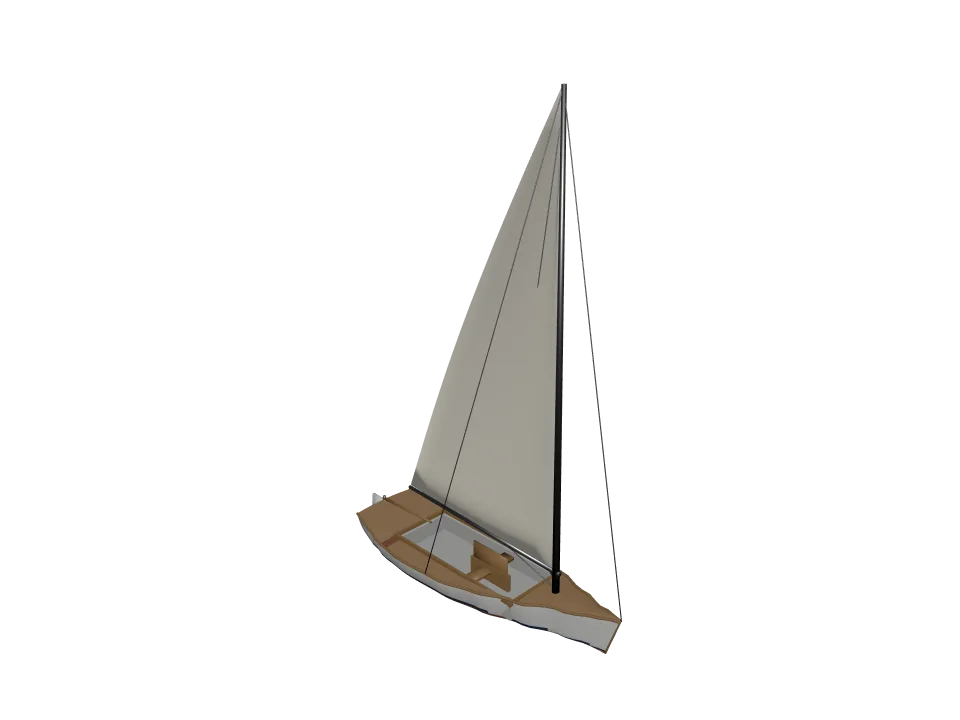
Sailing boat
“A small sailing boat with hull, single mast, boom, and simplified sail.”
Tests Curved hull geometry and thin-structure handling (mast, rigging).
- P09Nature
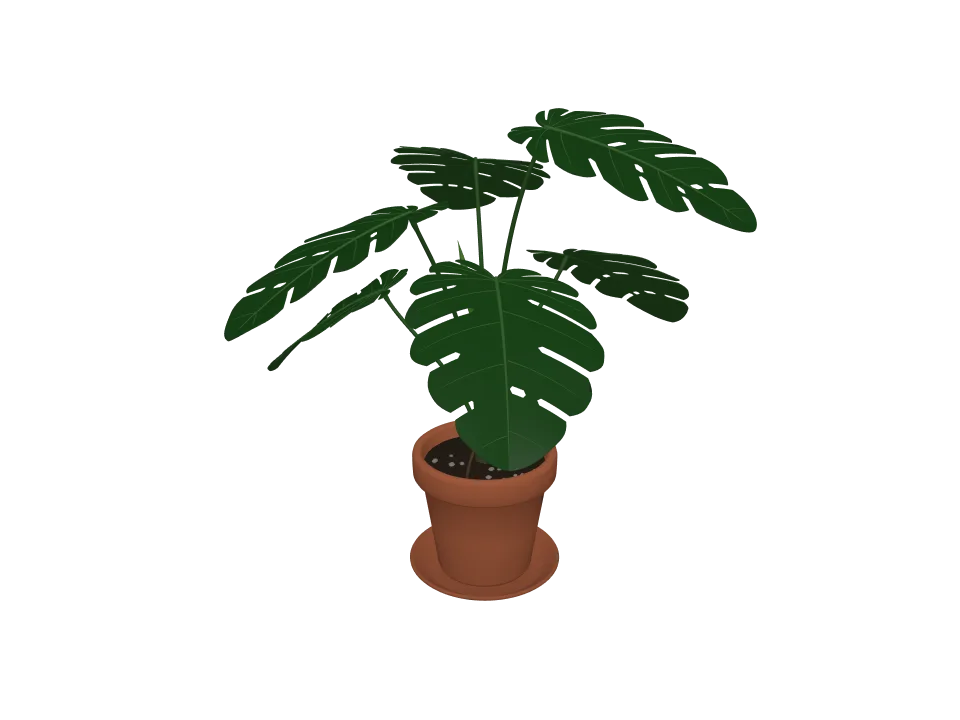
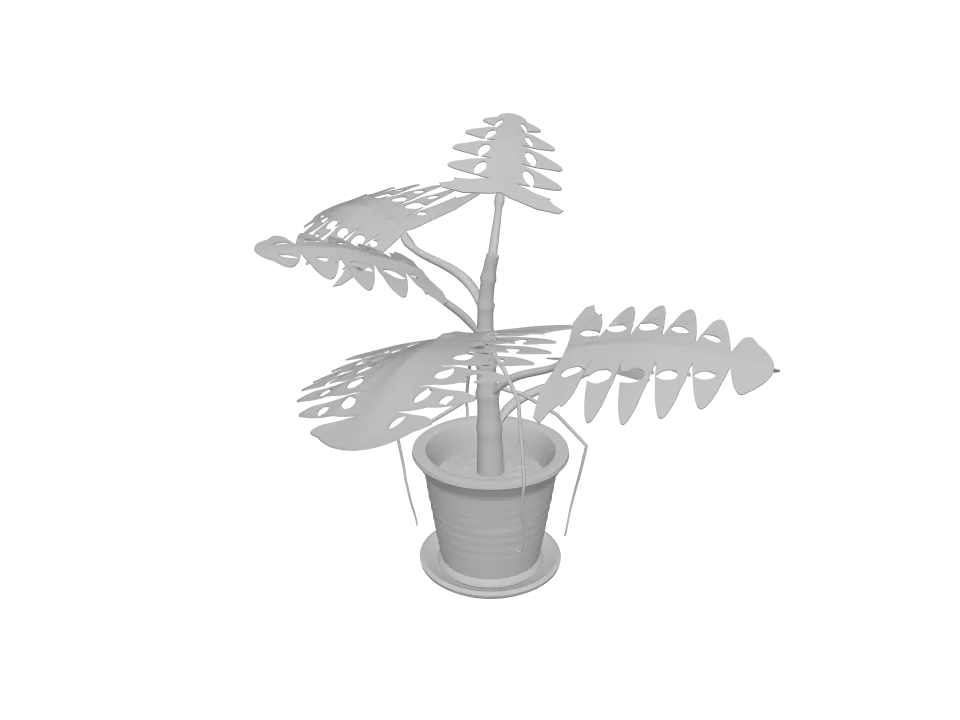
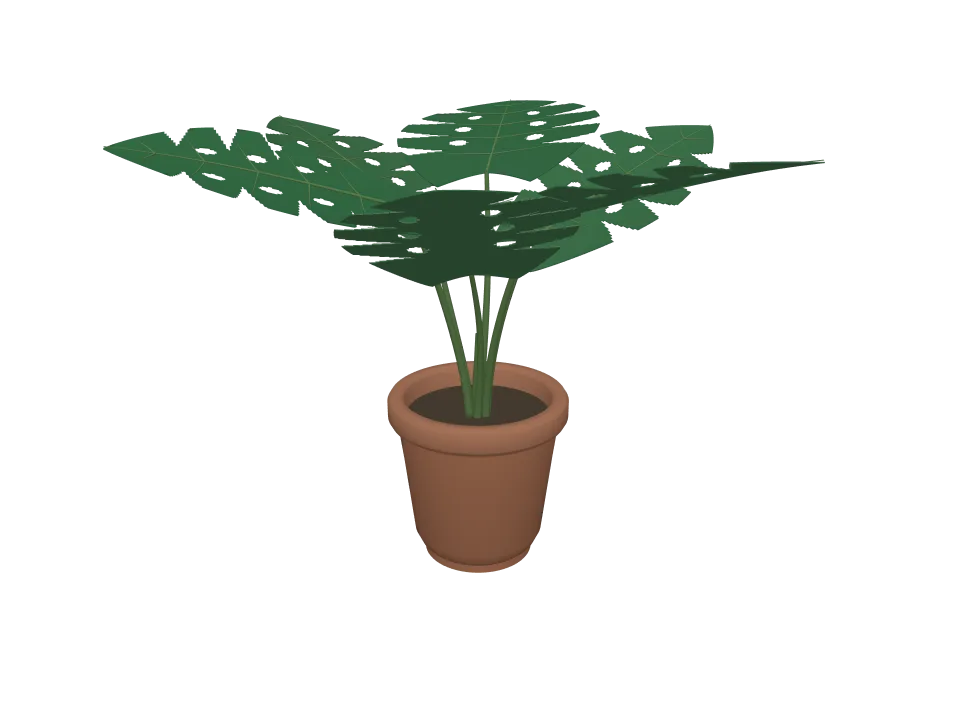
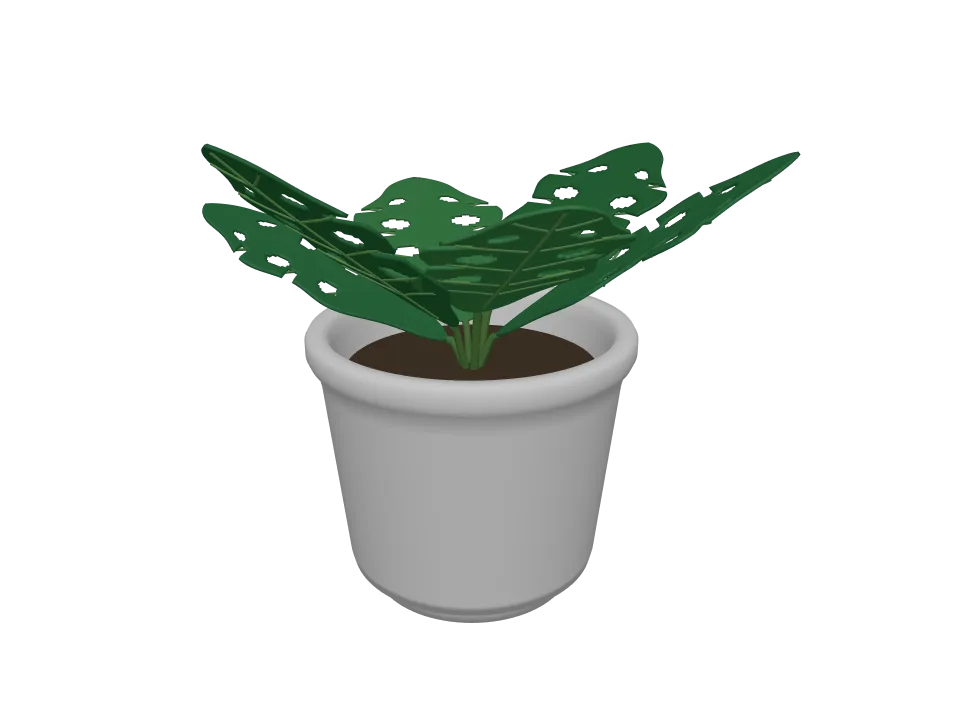
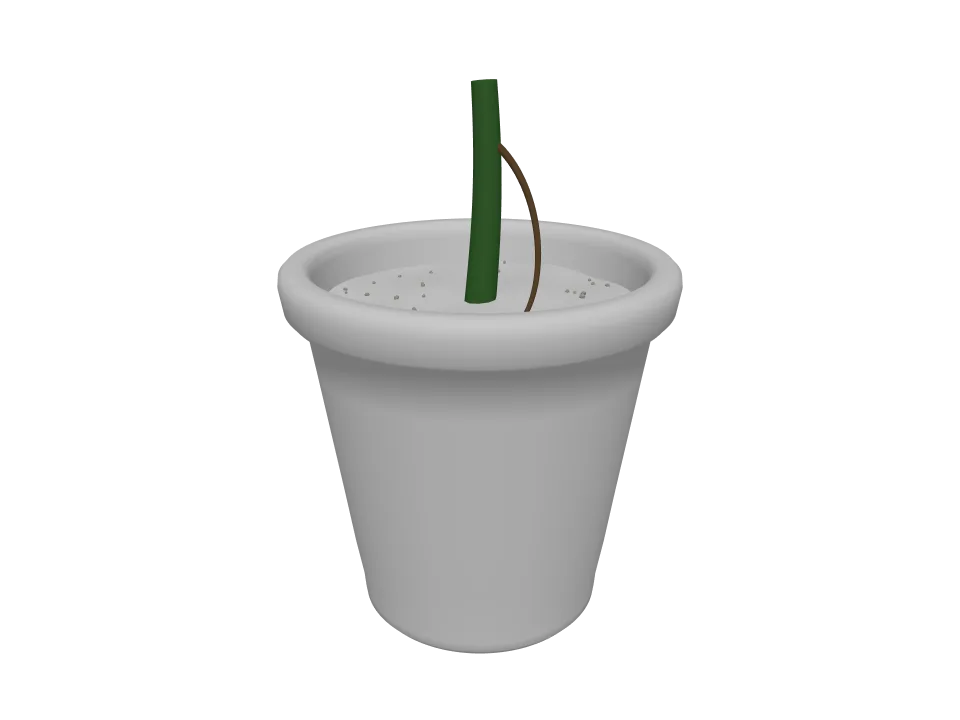
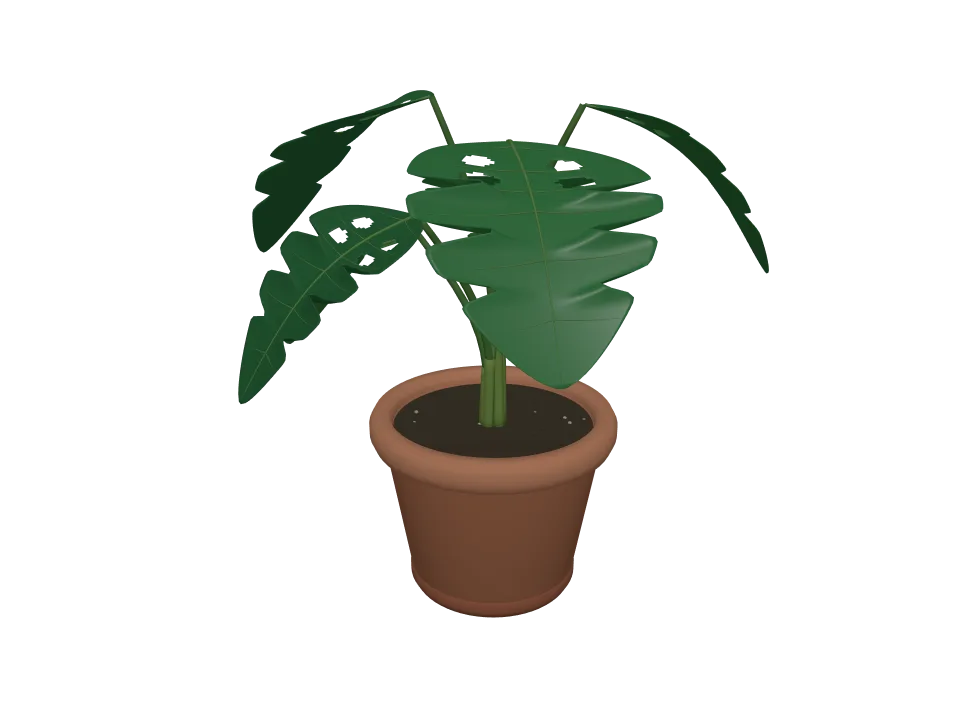
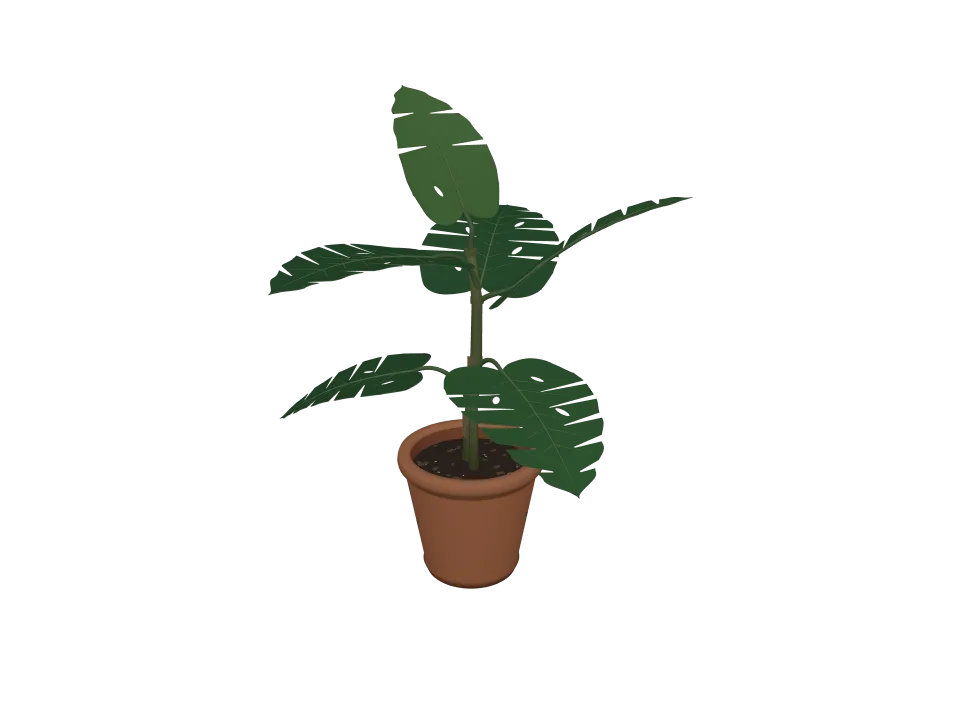
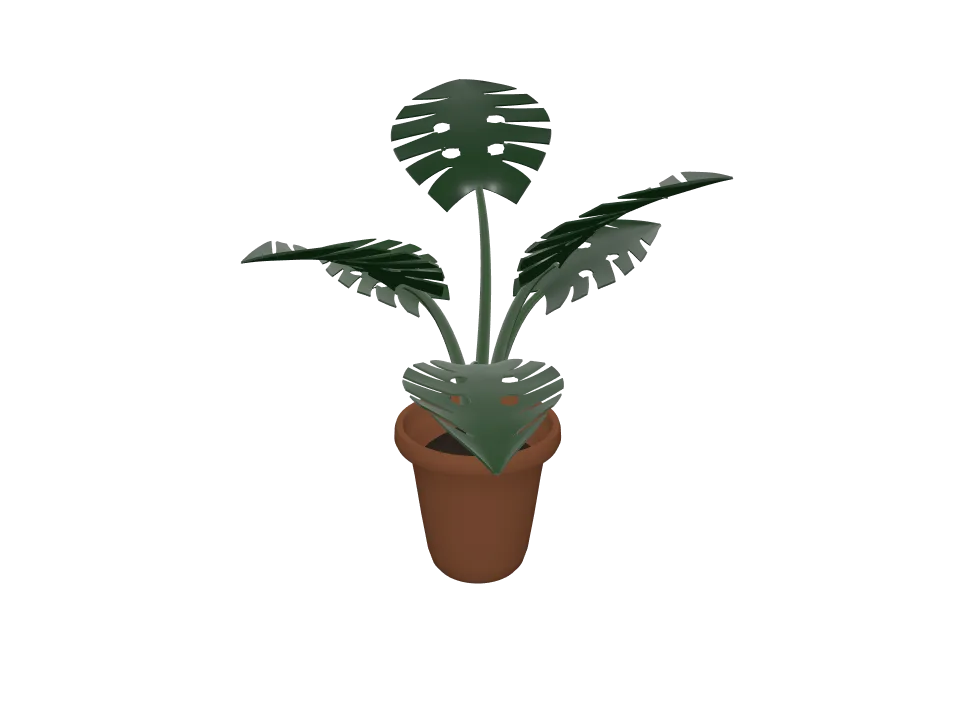
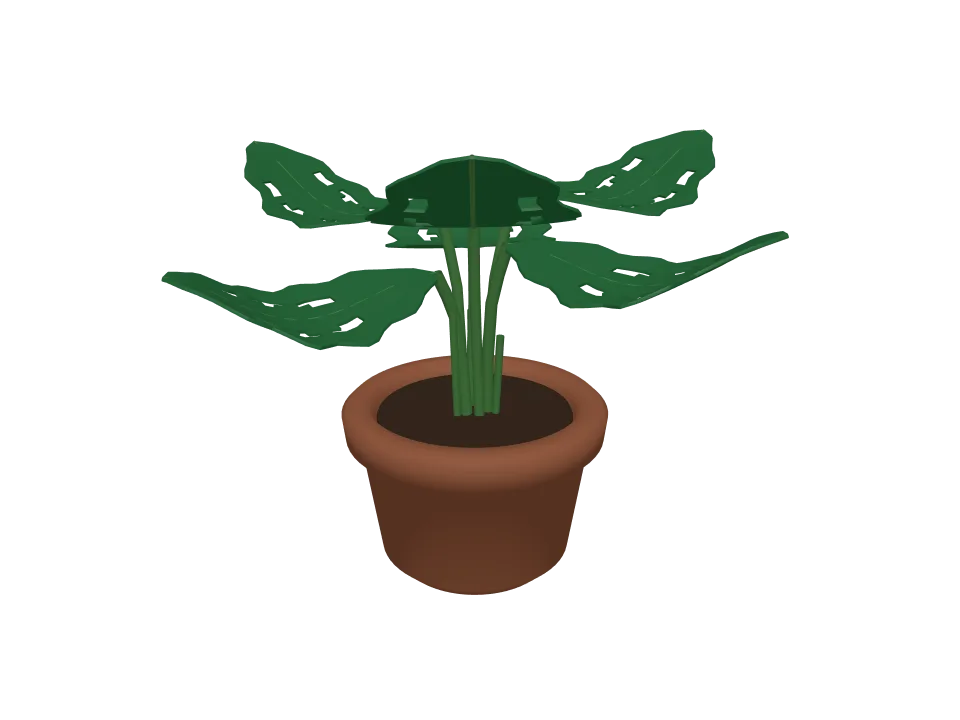
Potted plant
“A potted plant: terracotta pot with a leafy monstera-style plant, about six large leaves.”
Tests Organic foliage, thin geometry, and countable-element accuracy.
- P10Nature
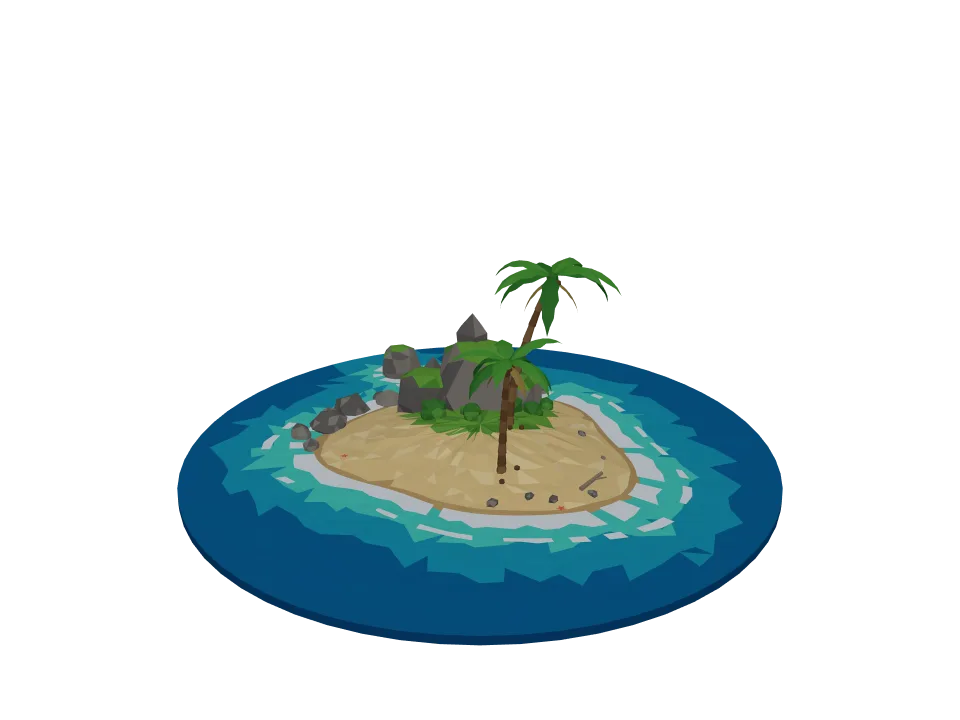
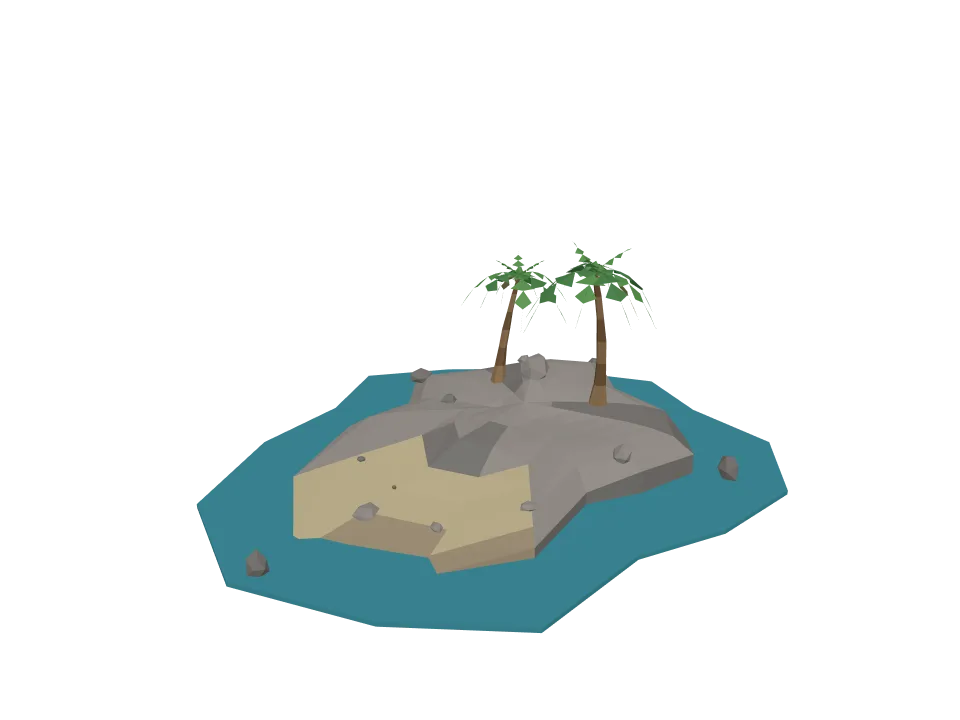
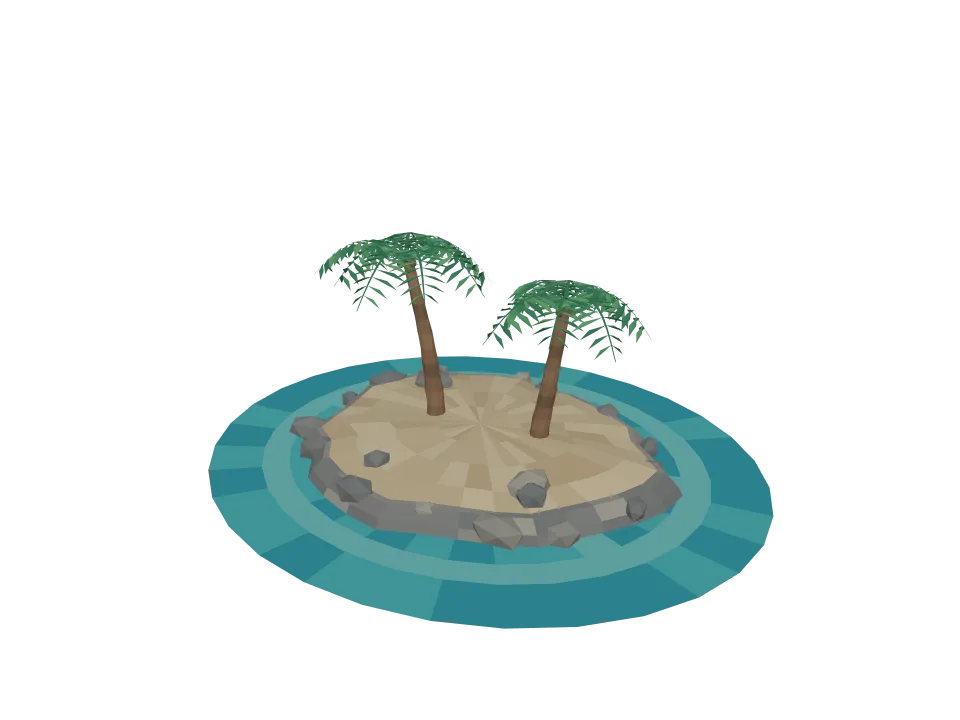
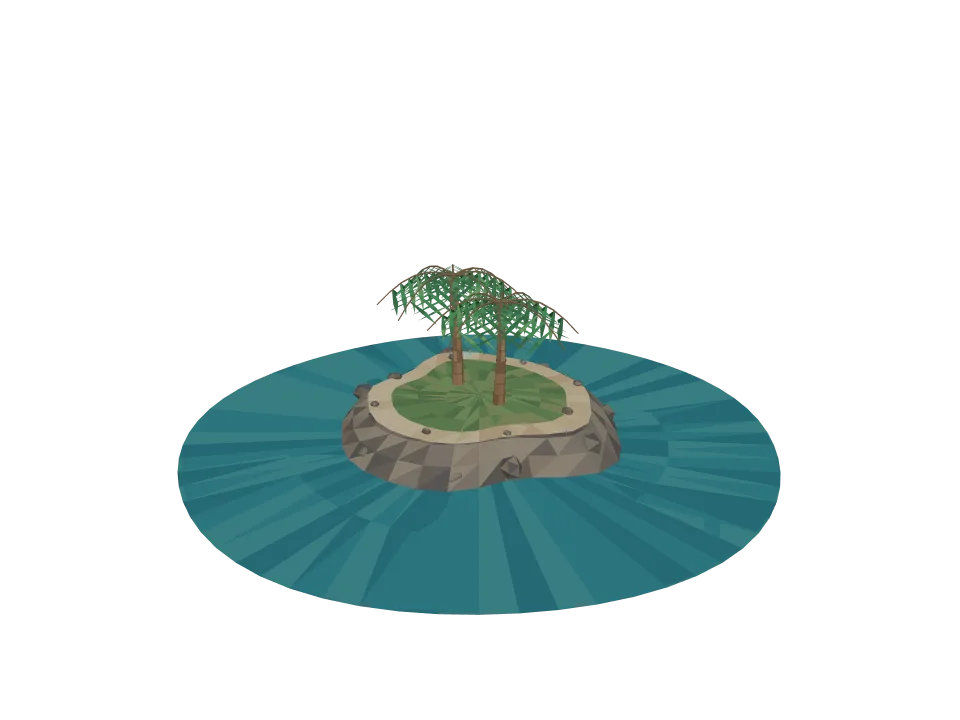
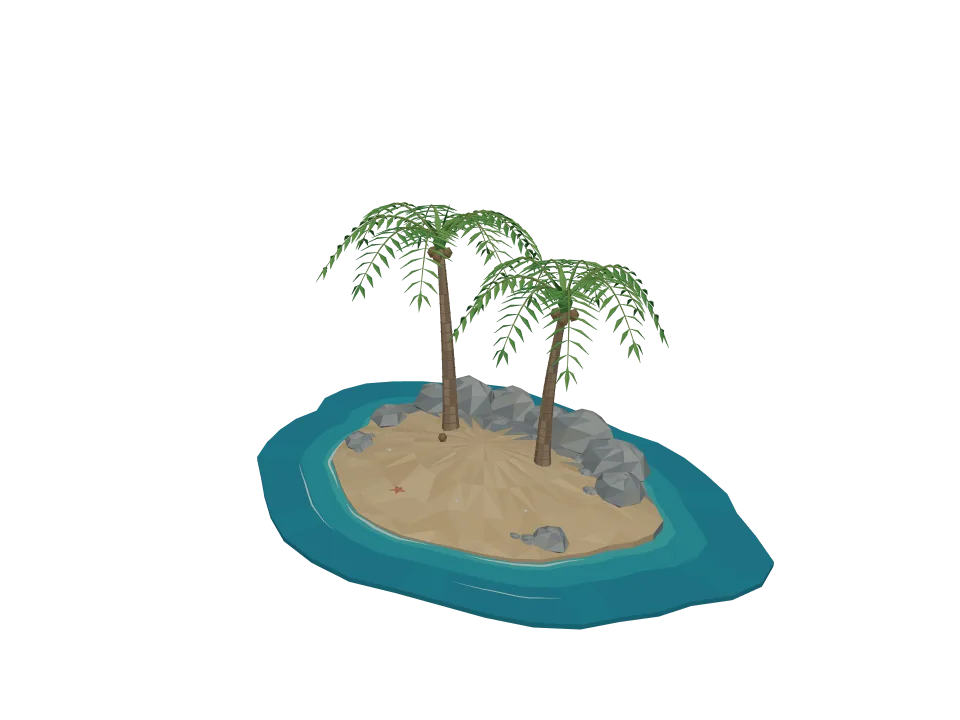
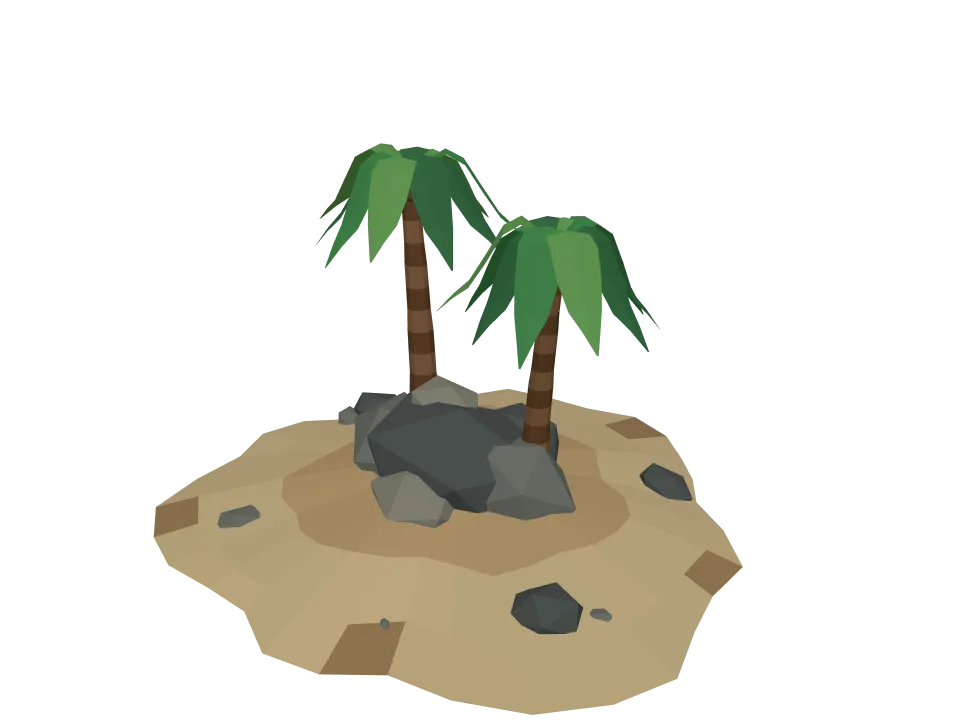
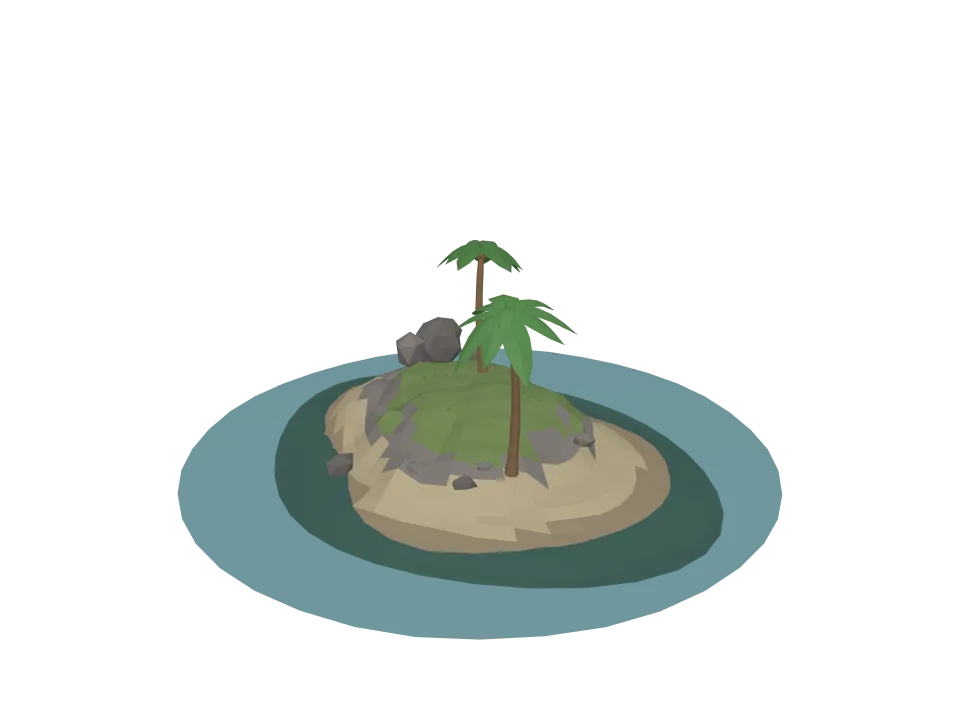
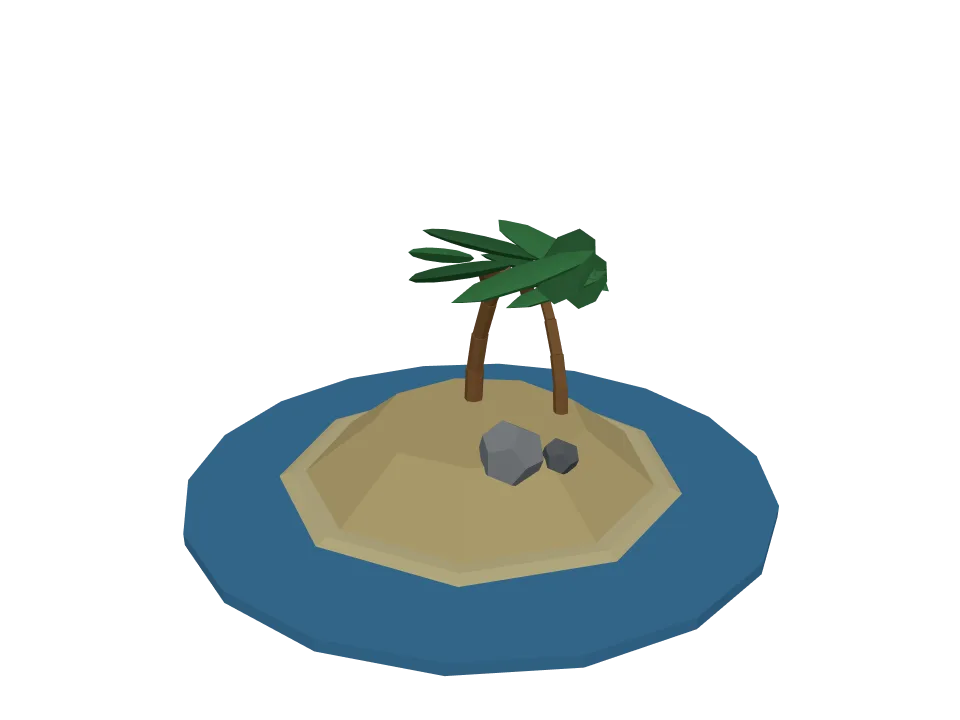
Island scene
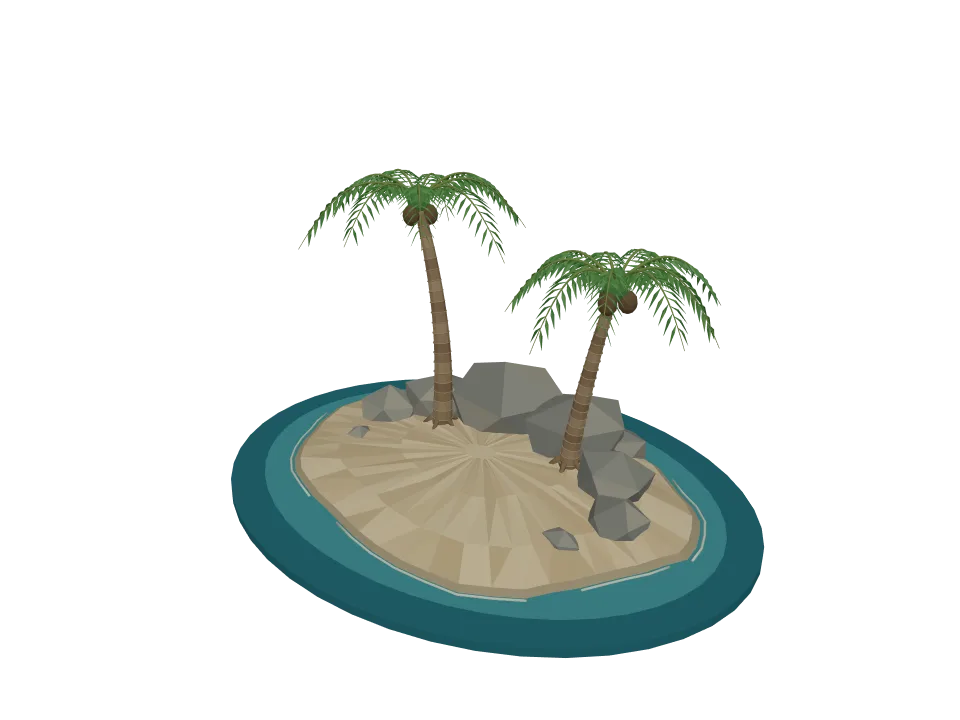
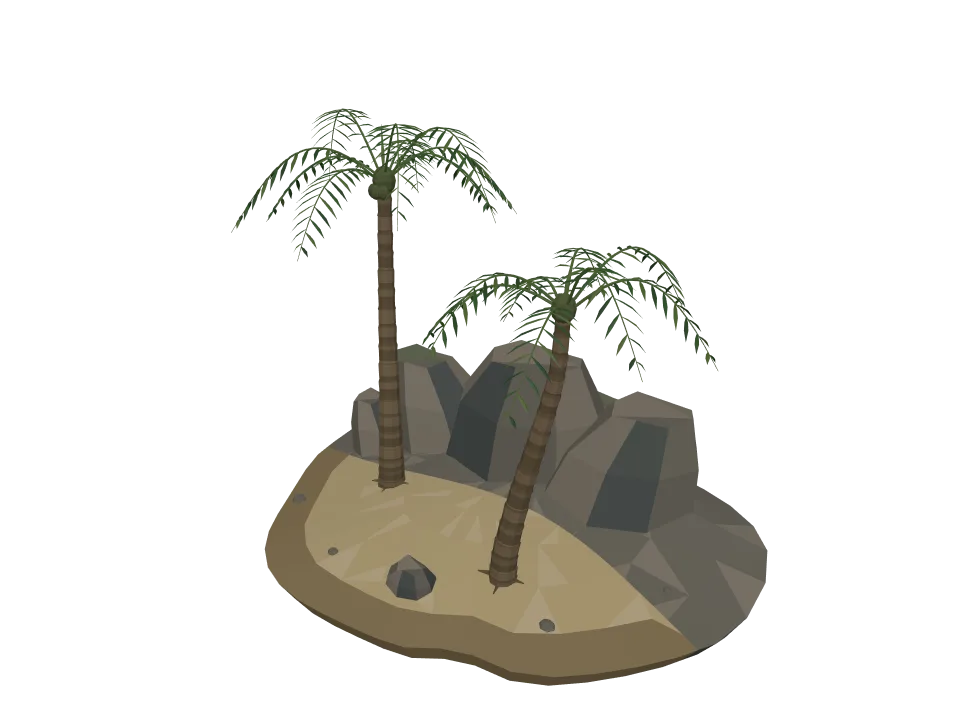
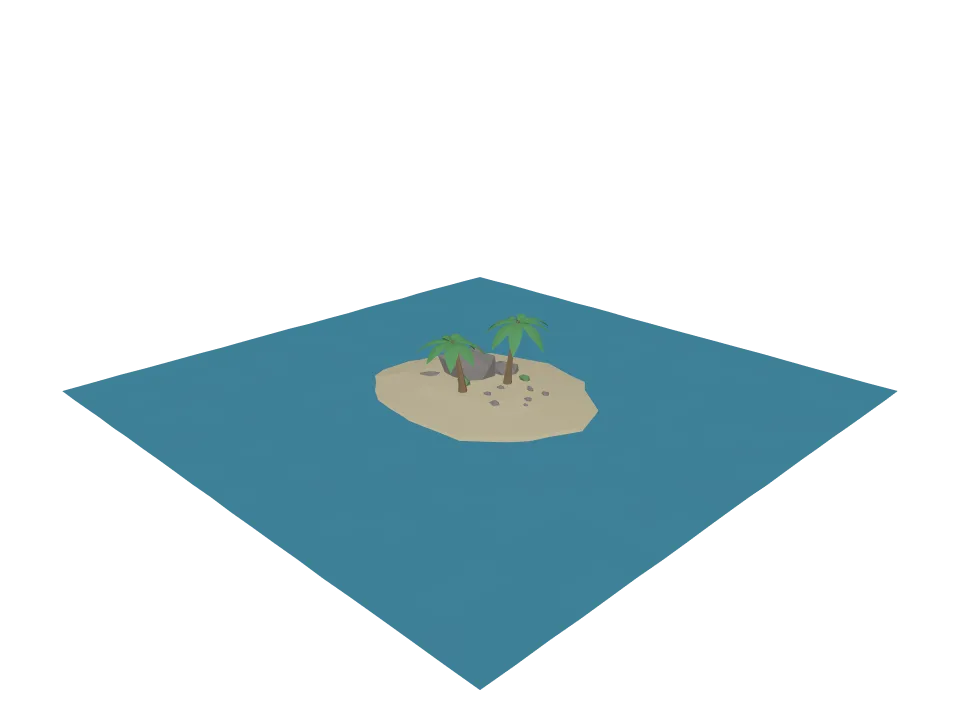
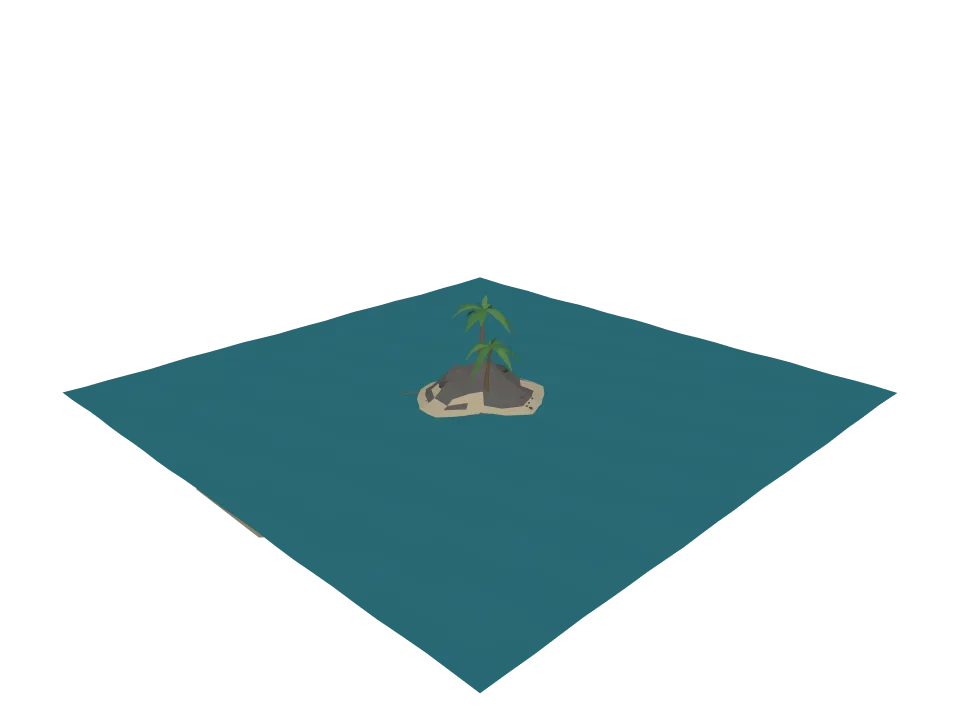
“A low-poly island scene: small rocky island with two palm trees and a sandy beach.”
Tests Simple scene composition and multiple-object arrangement.
- P11Abstract
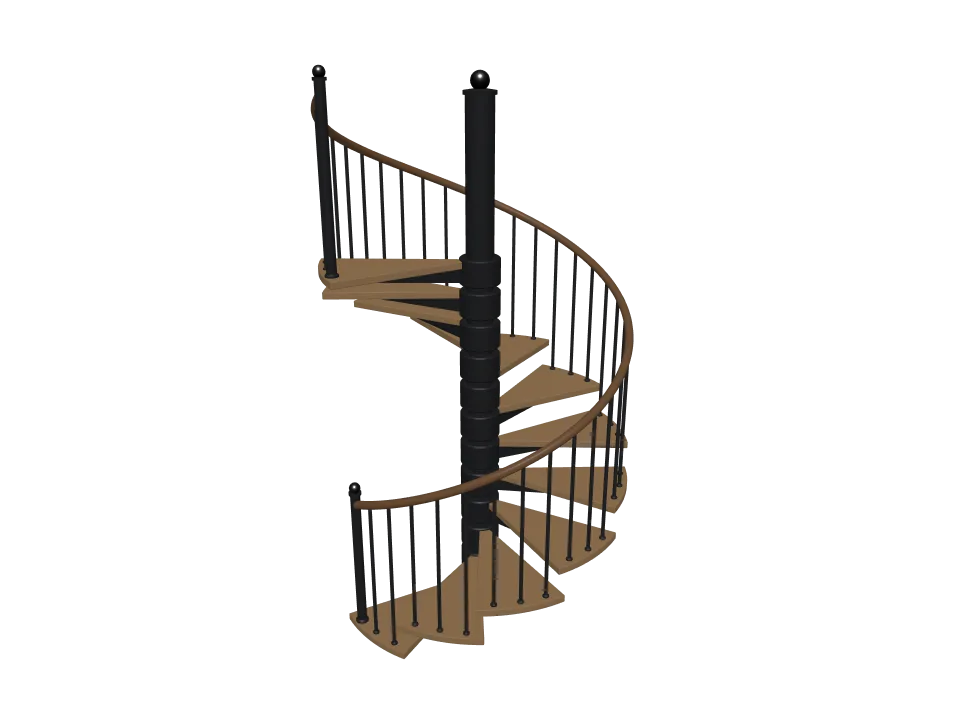
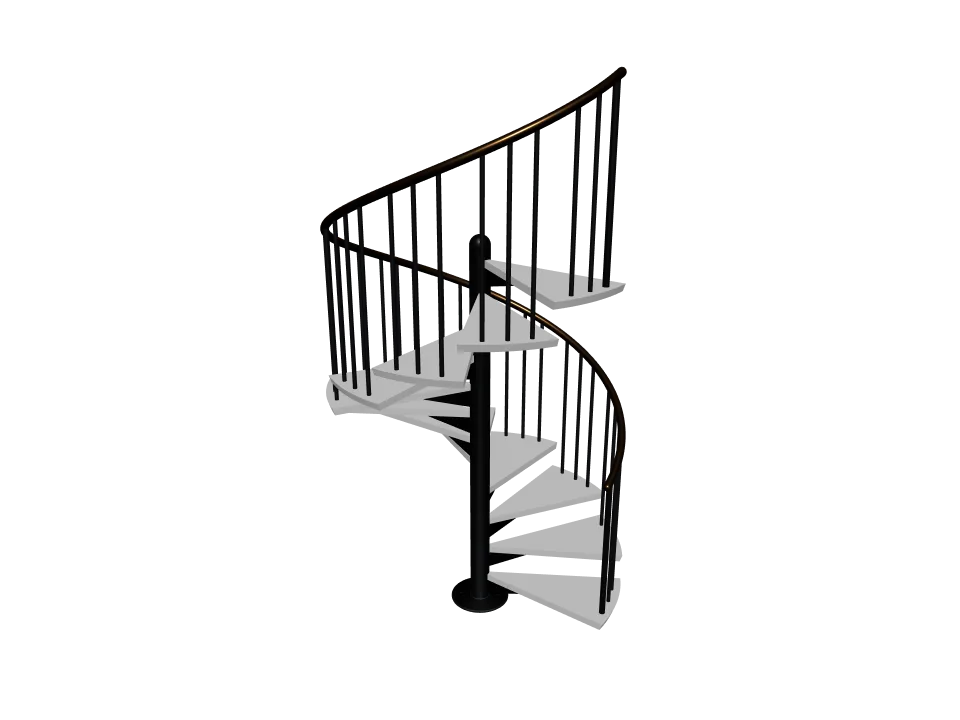
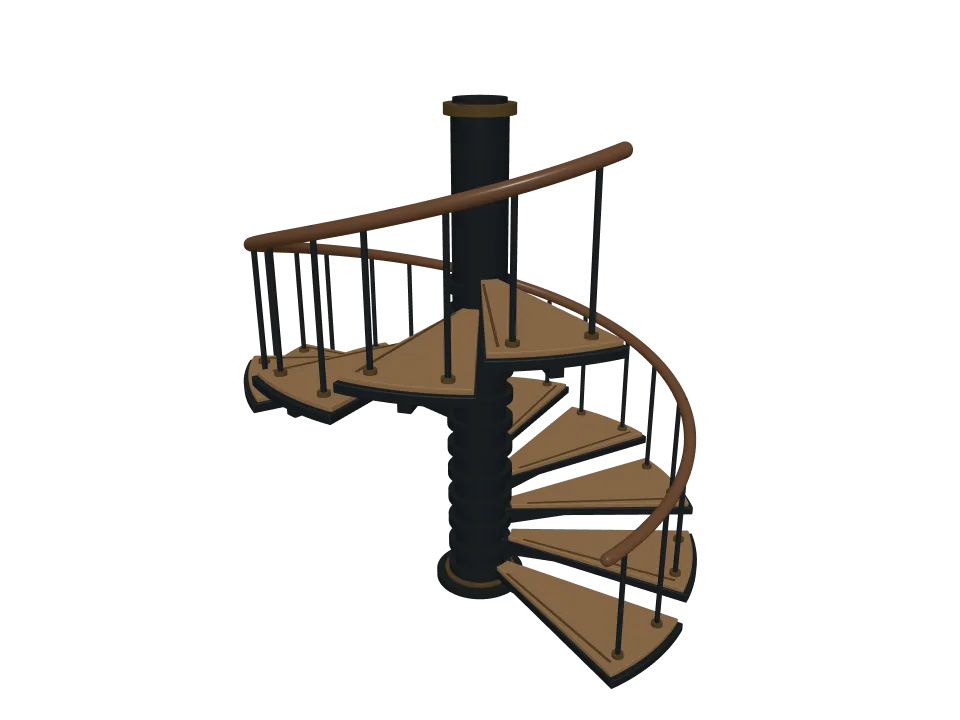
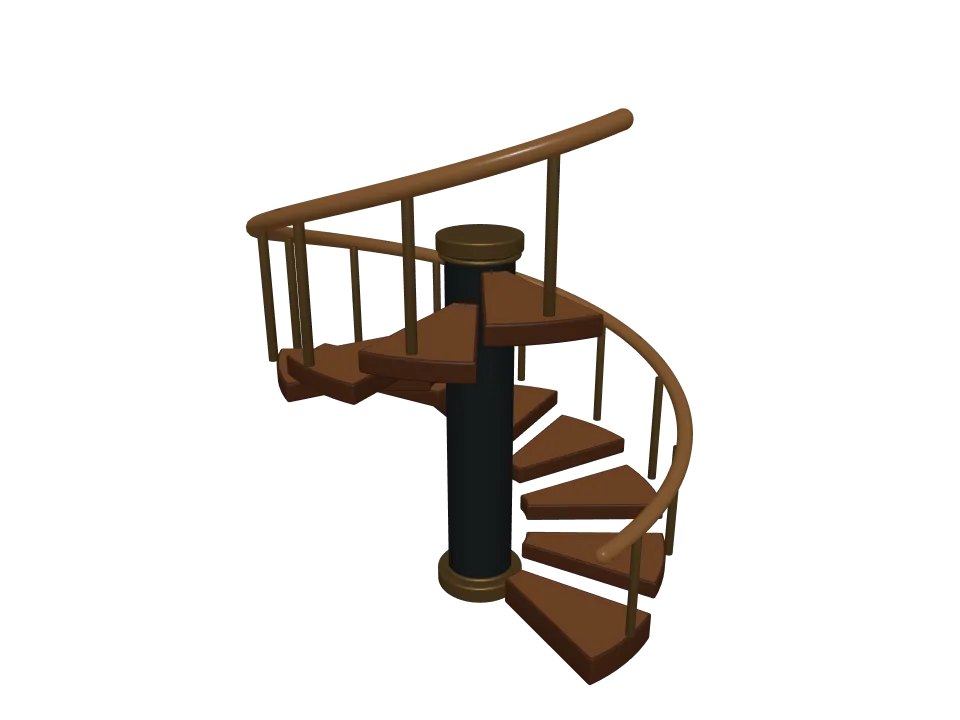
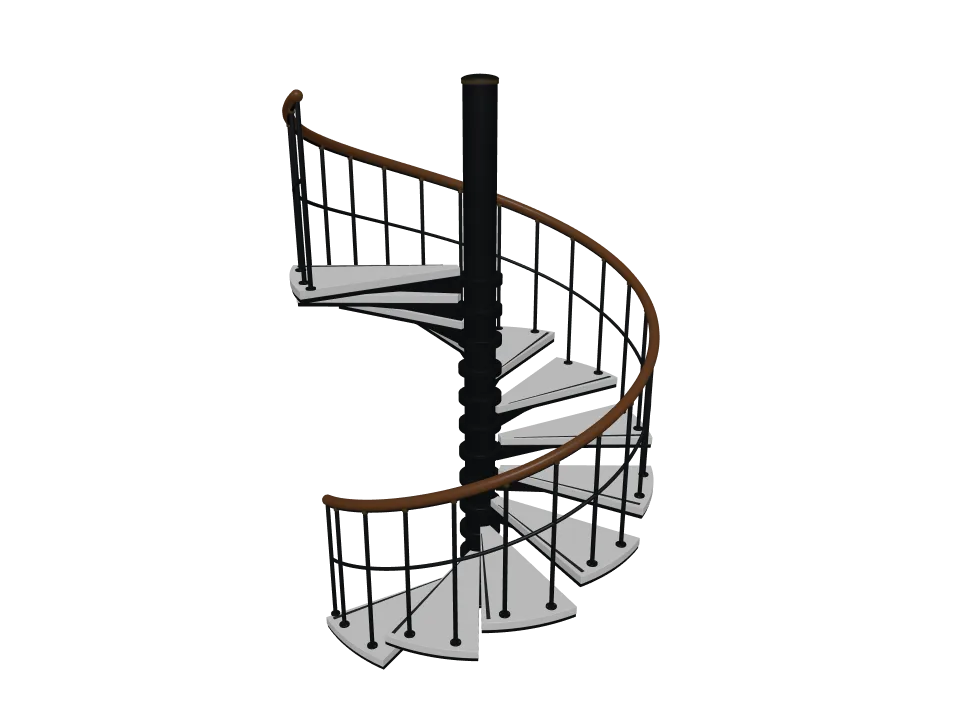
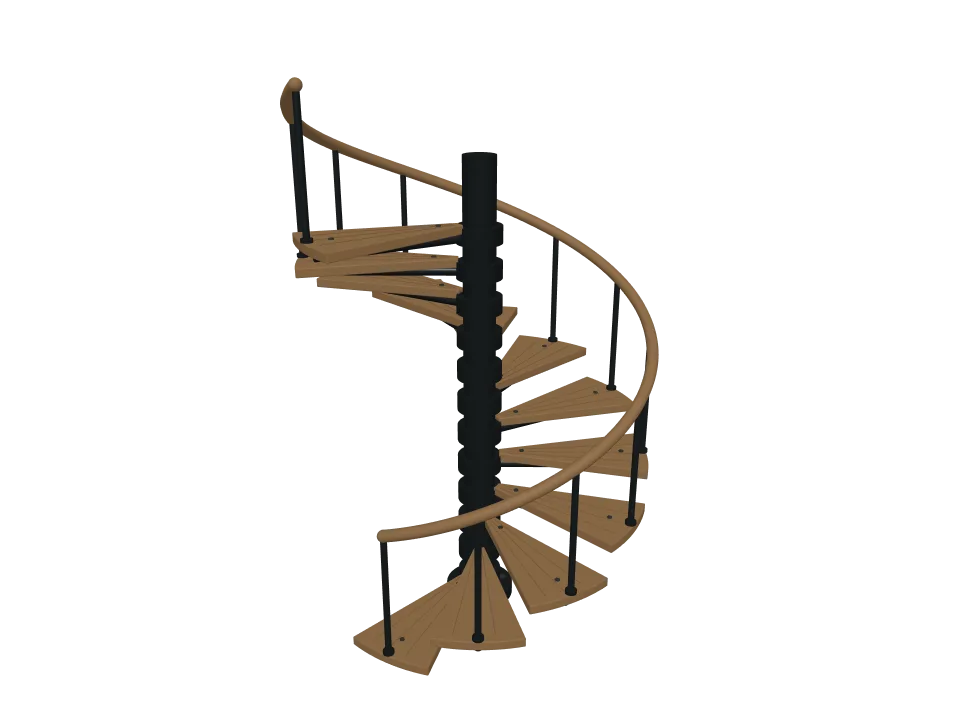
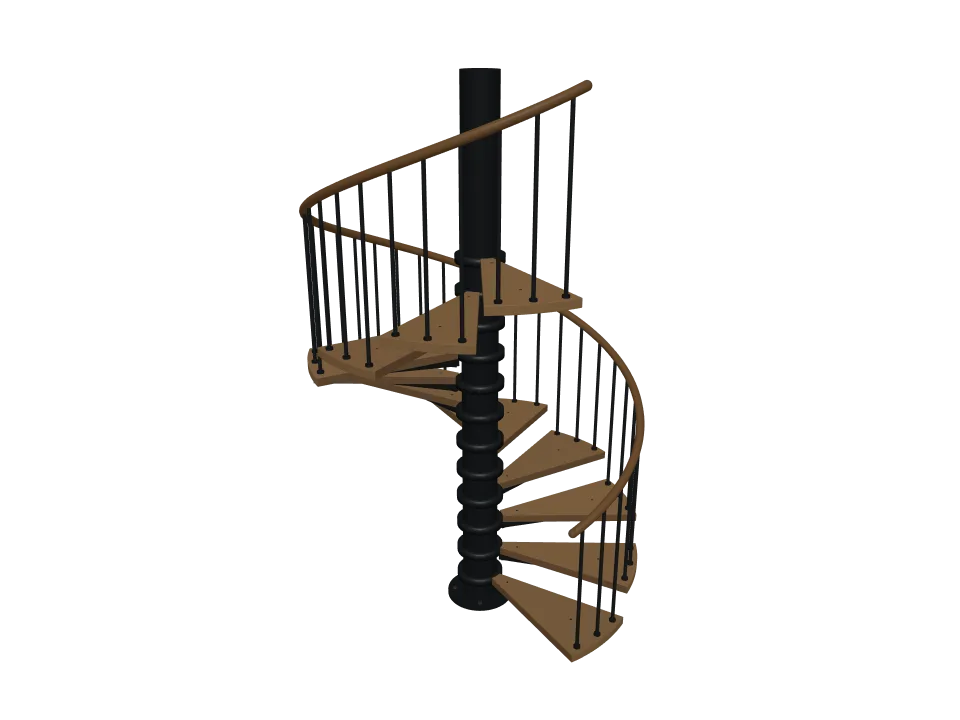
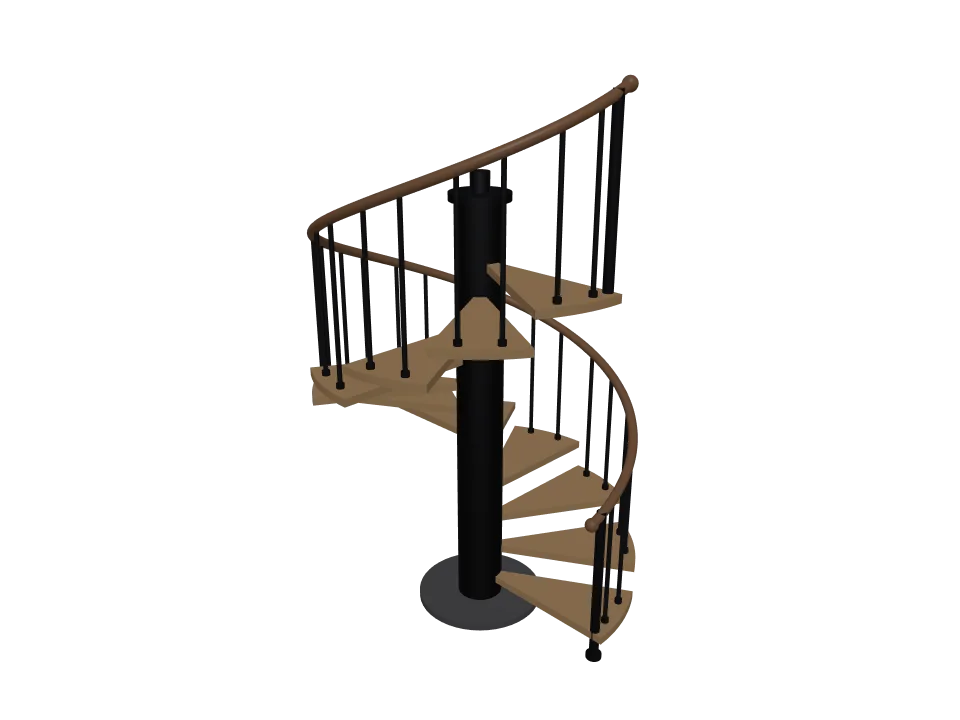
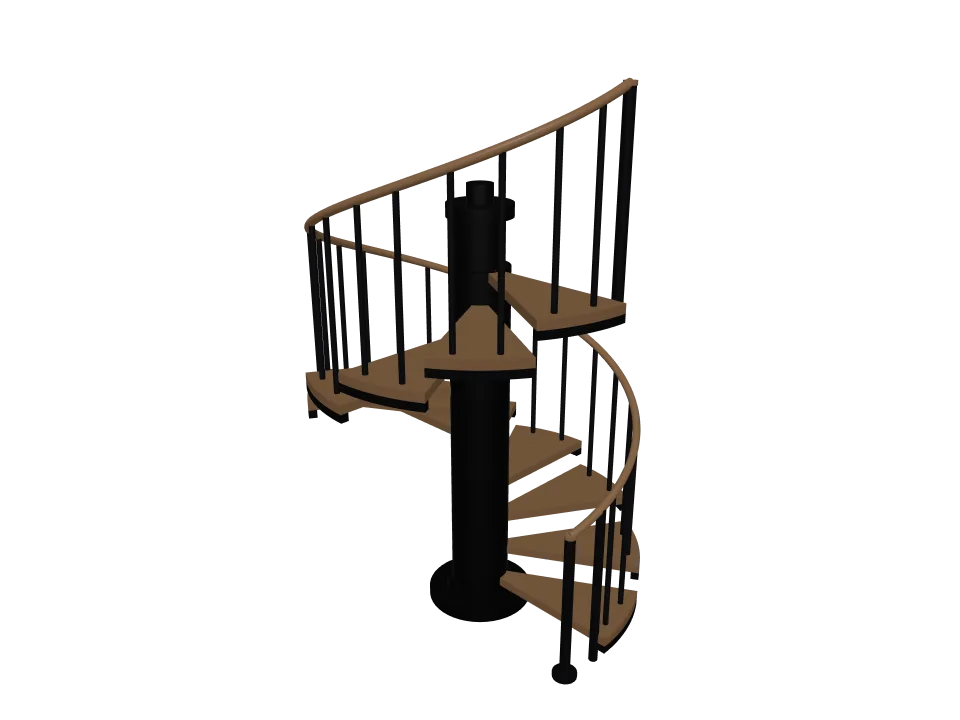
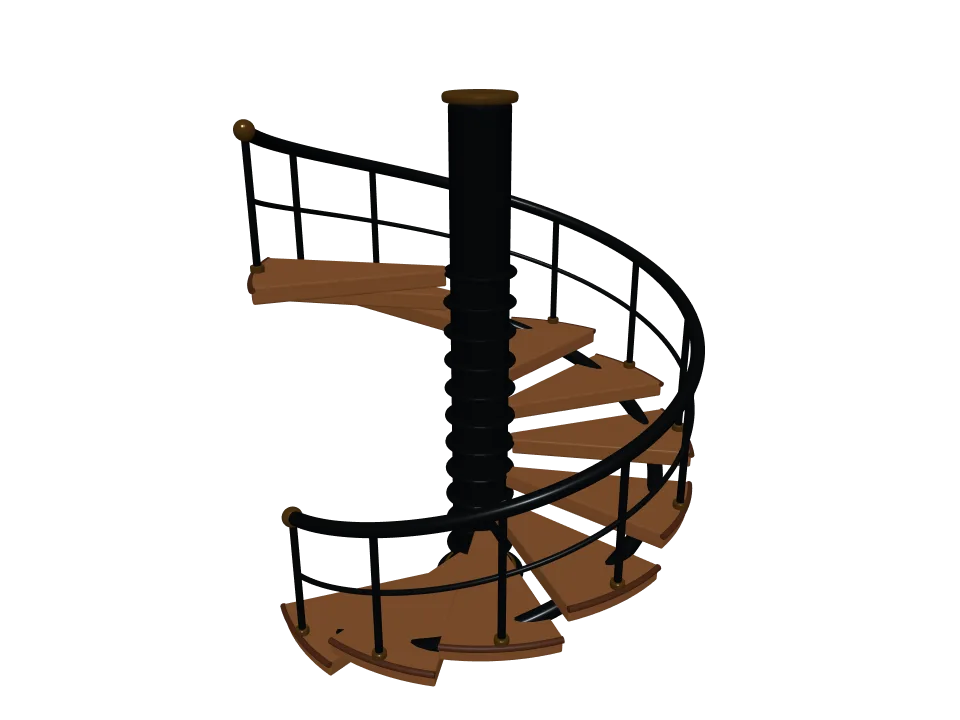
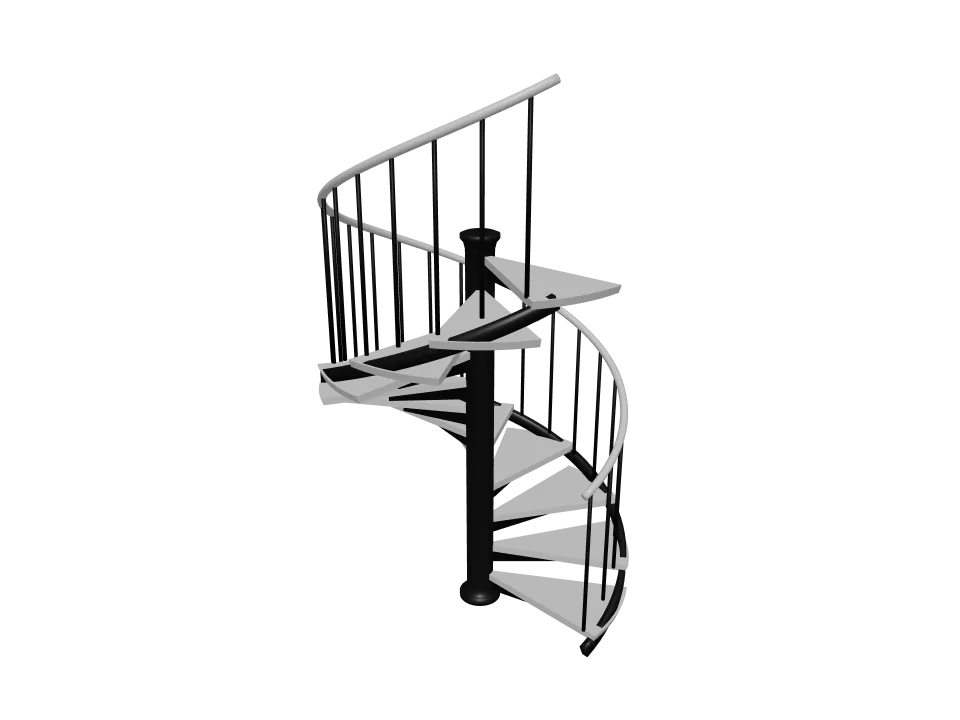
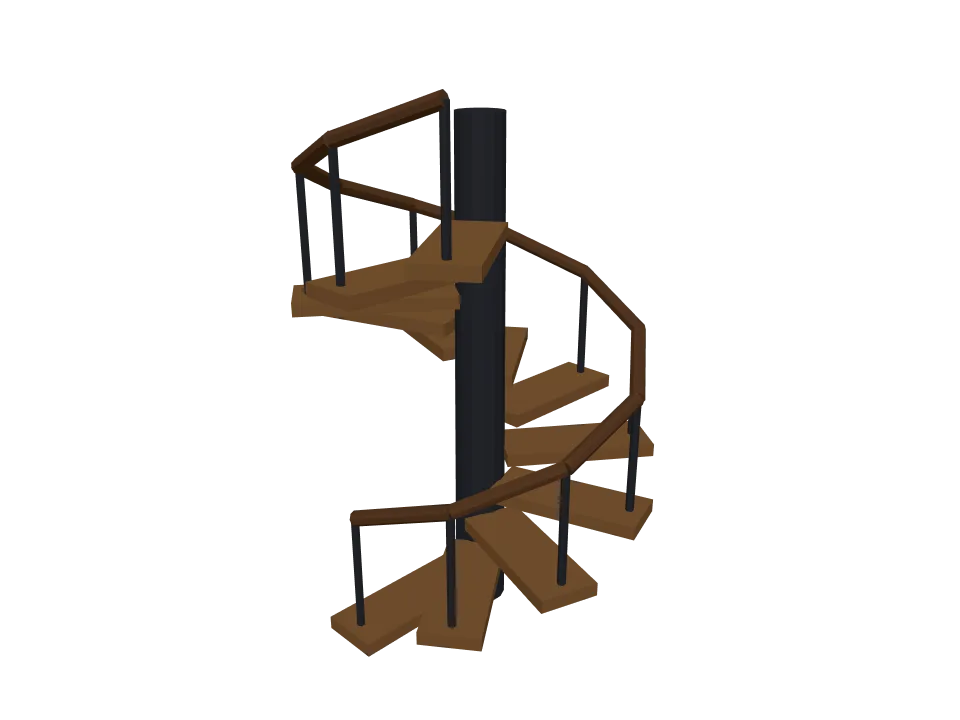
Spiral staircase
“A spiral staircase with twelve steps winding around a central column, with a handrail.”
Tests Parametric/procedural reasoning: counted repetition, rotation, and precision.
- P12Abstract
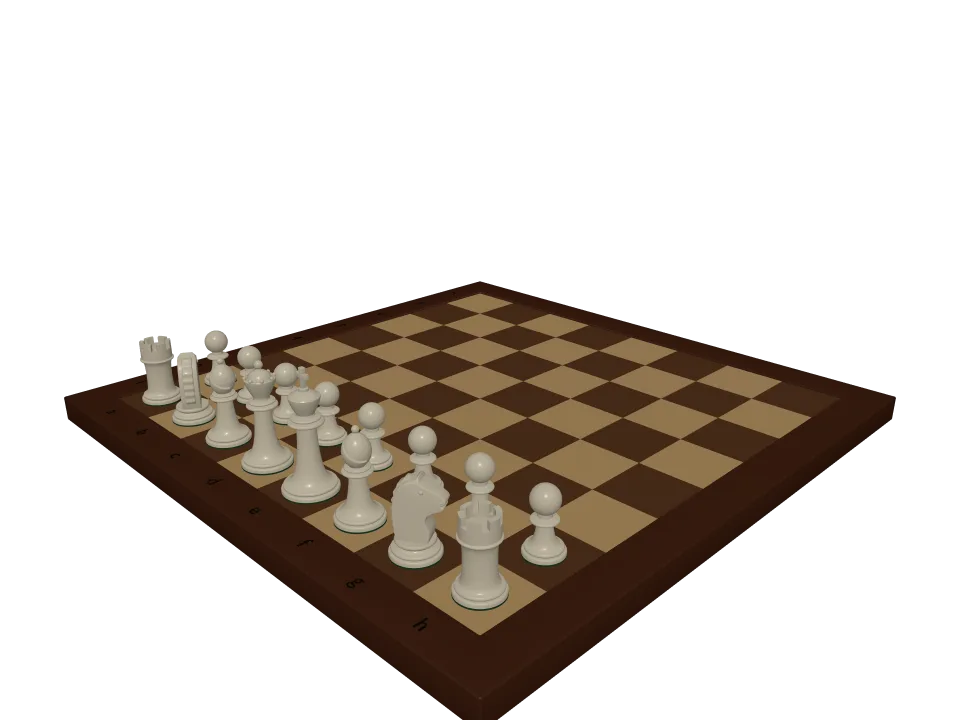
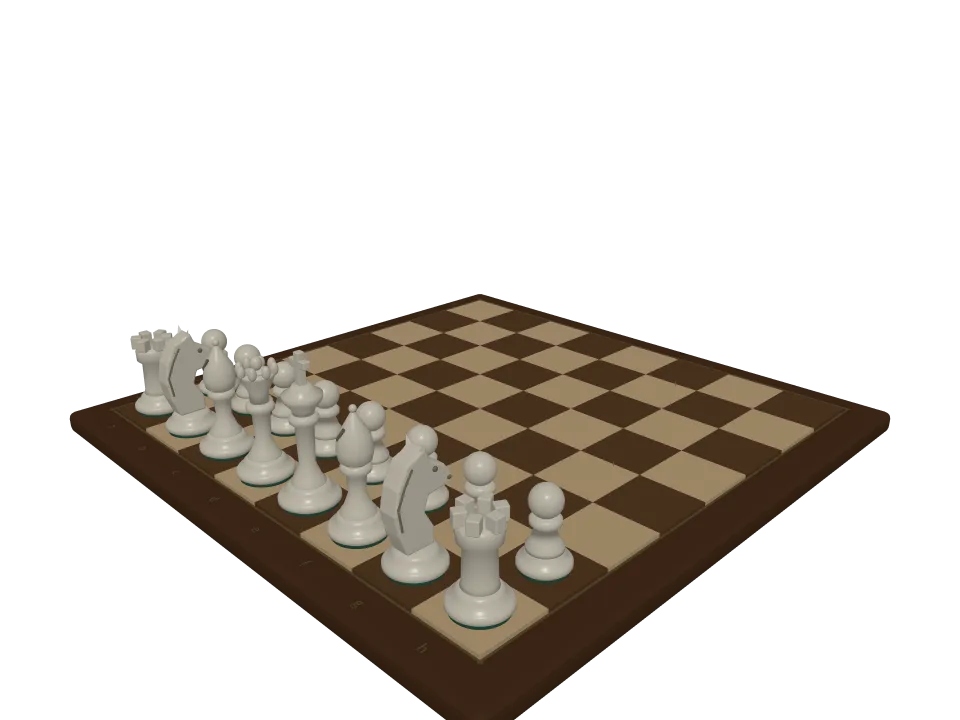
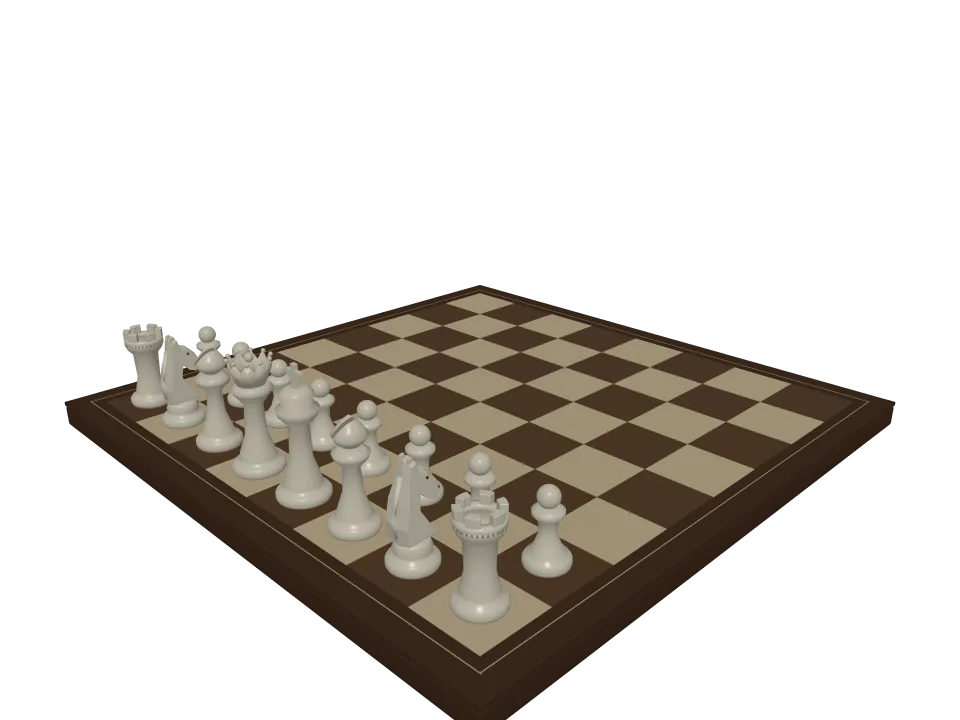
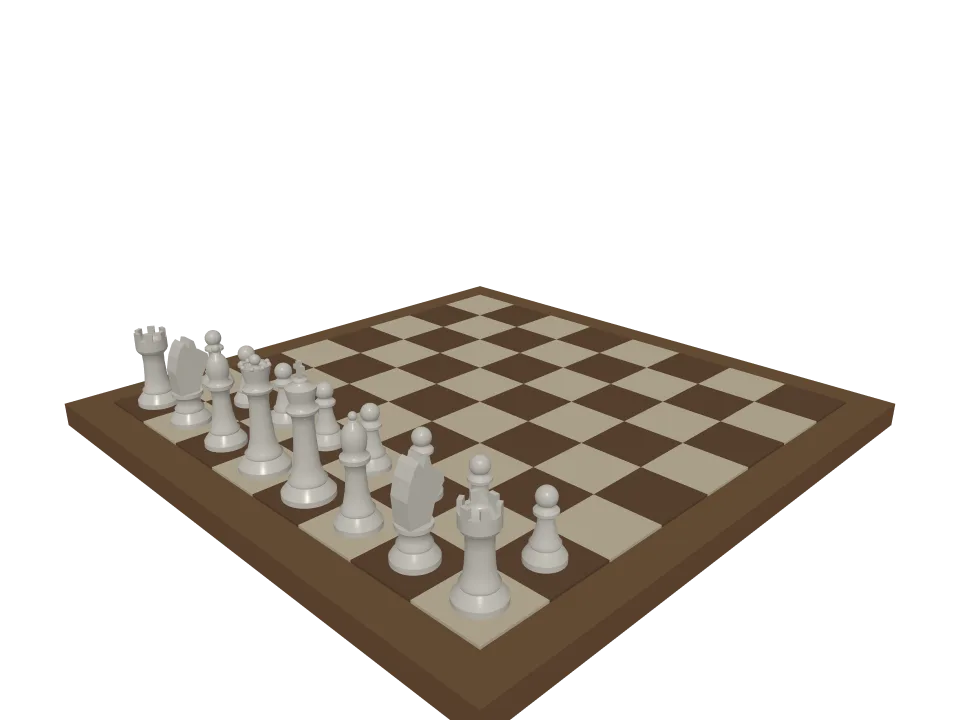
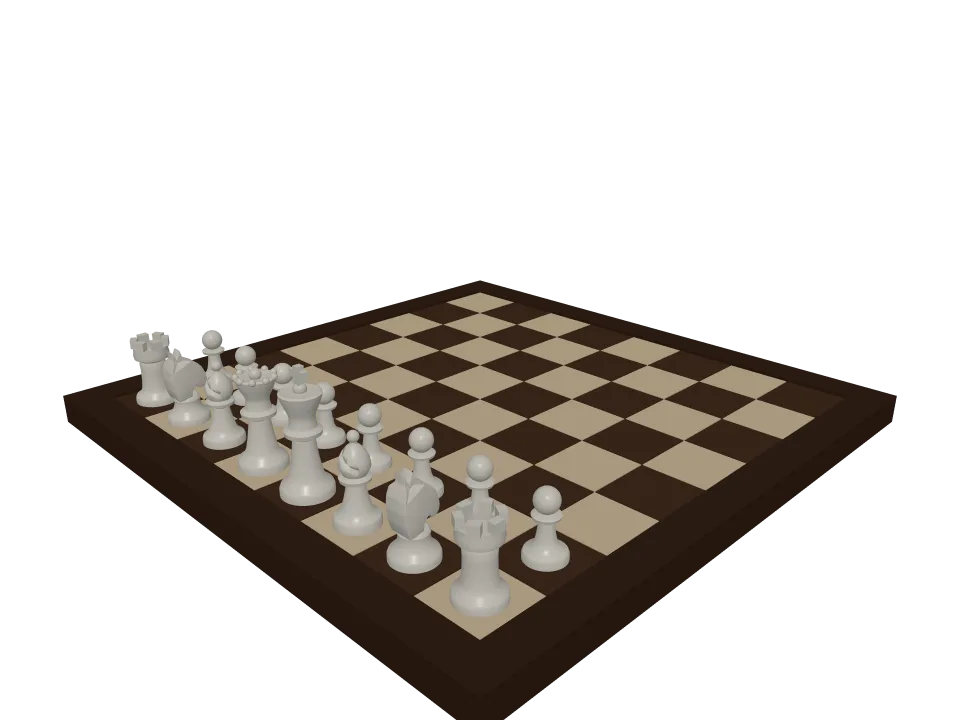
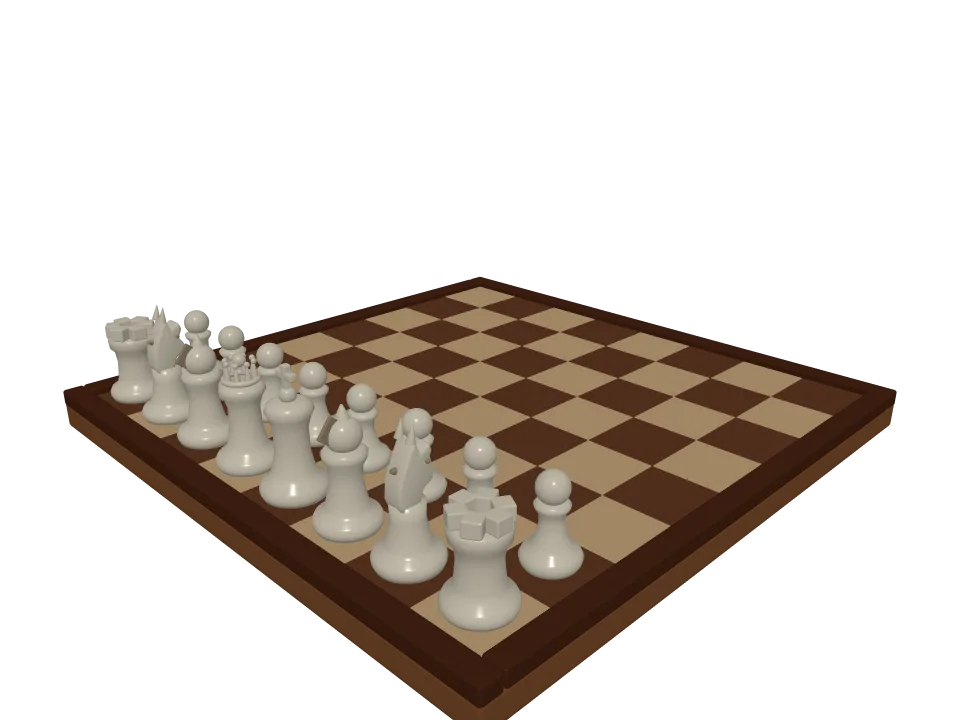
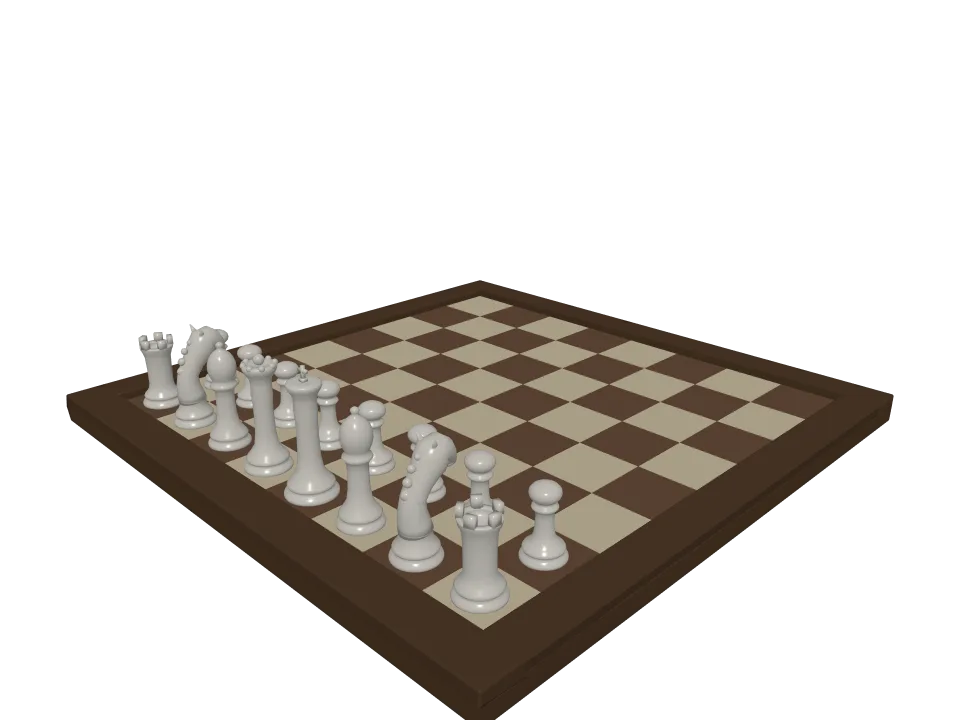
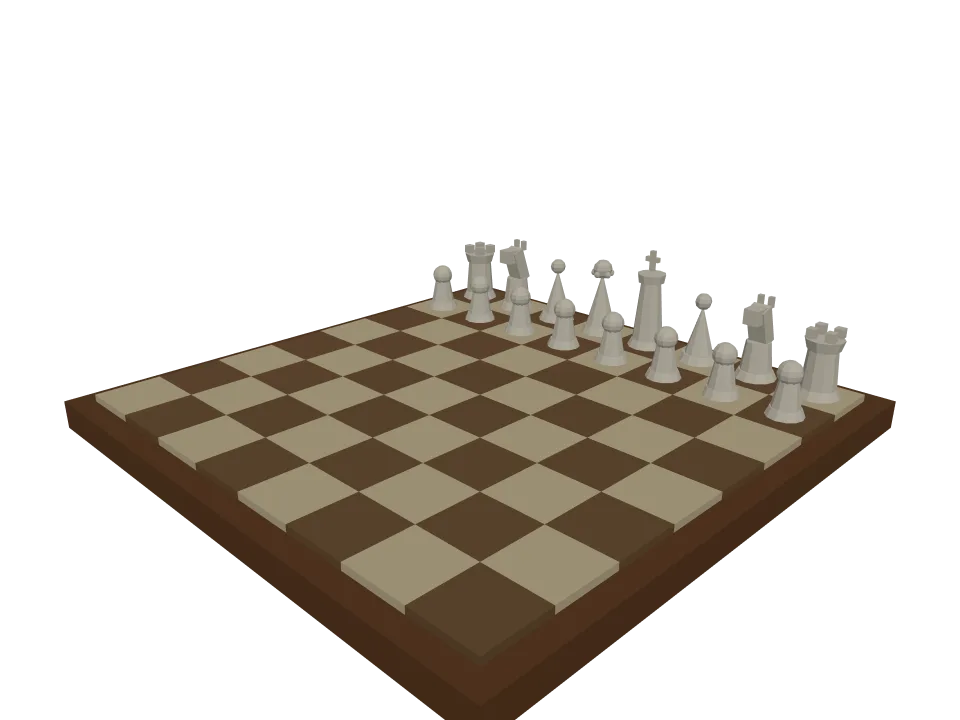
Chess set
“A chess set arrangement: checkered board with the two front rows of white pieces placed correctly.”
Tests Multi-object precision, placement rules, and instruction following.







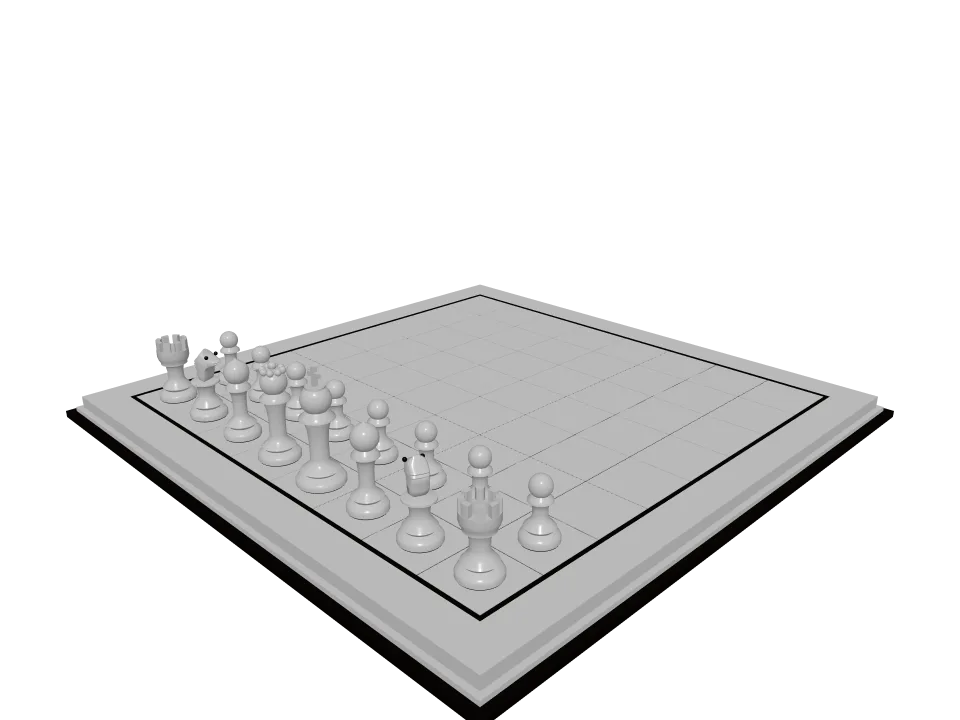
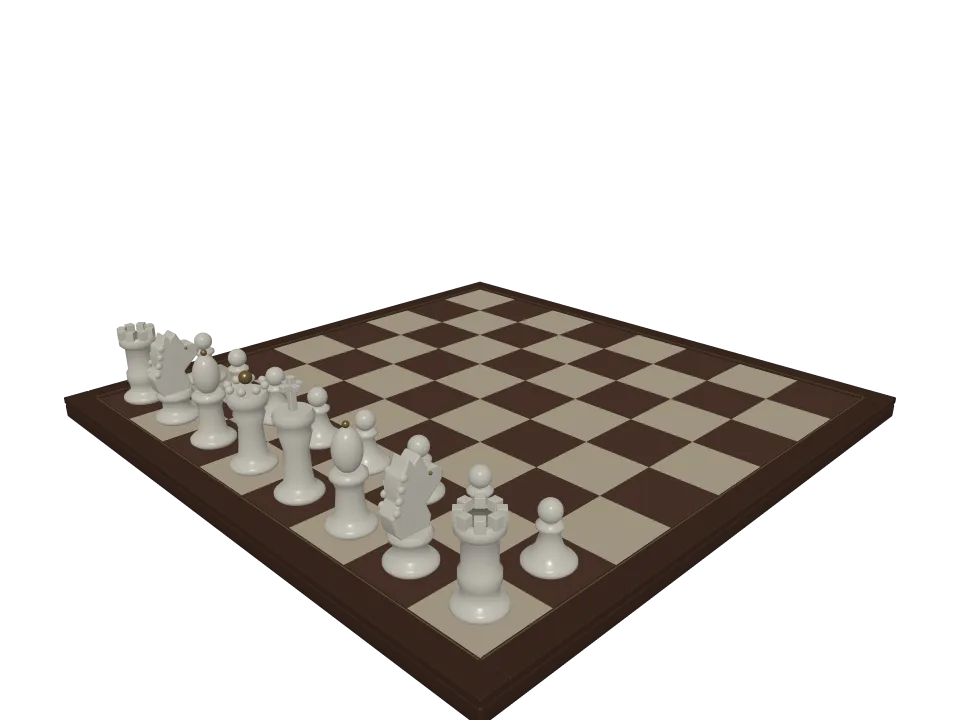
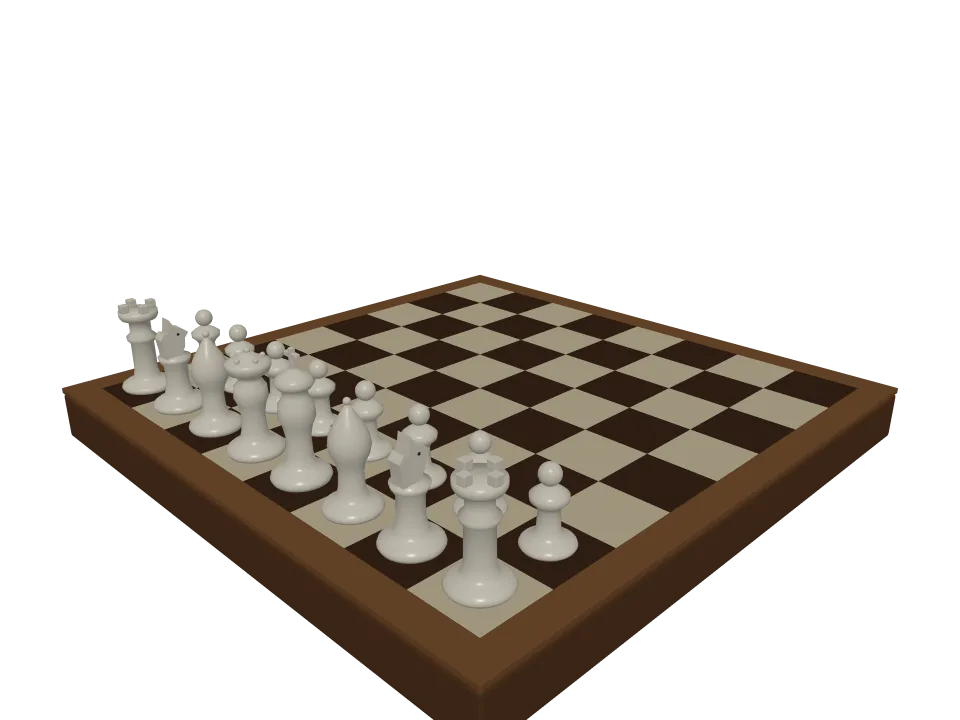
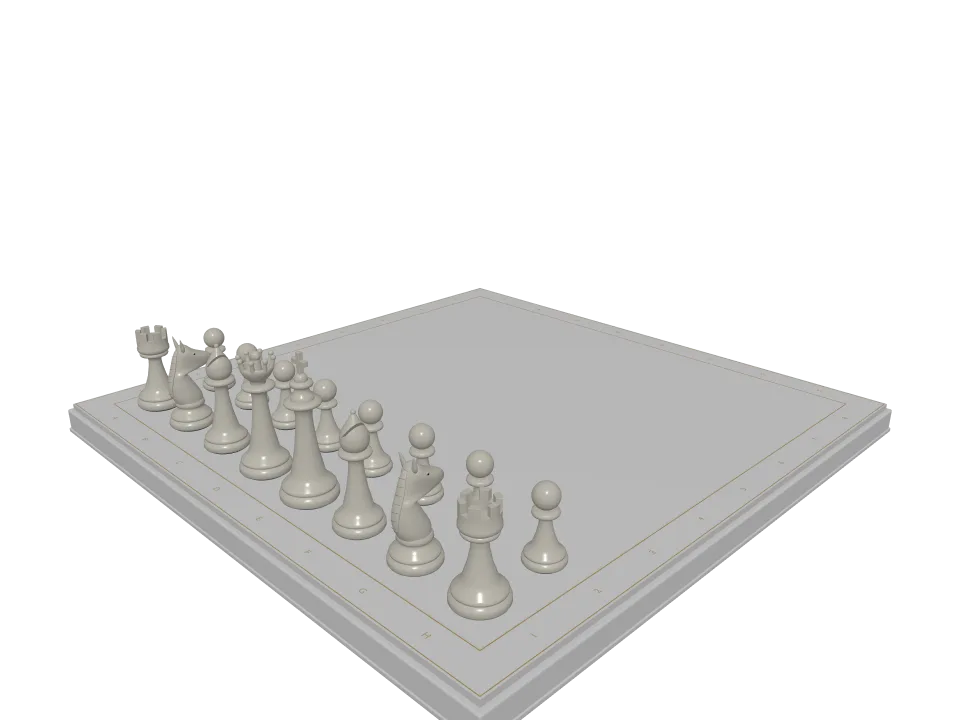
Why a fixed prompt set?
Cherry-picked outputs on different prompts measure marketing, not capability.
Most AI 3D comparisons show each tool's best cherry-picked output on different prompts — which measures marketing, not capability. A fixed public prompt set means every tool faces the same tasks, weaknesses are visible, and results can be reproduced by anyone.
The set intentionally mixes tasks that favor mesh generators (organic characters, nature) with tasks that favor code-driven assistants (counted repetition, precise placement), so no tool category gets a free win. Per-category results are published on the leaderboard.
Using this set in your own video, article, or research? We'd love to see it — email hello@blenderai.org.